Trump touts 'ultimate power' of veto if Democrats win control of House and Senate
The Watchmen's Summary
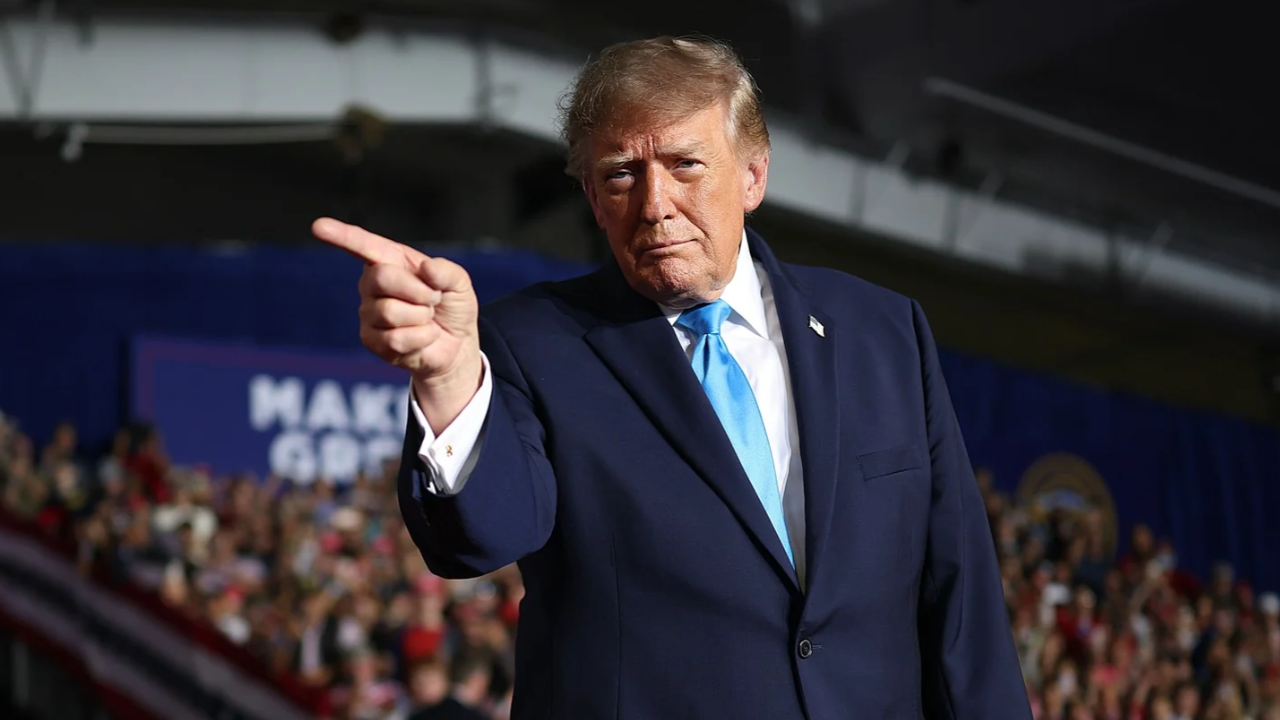
President Donald Trump told CBS News that he would use his veto authority to block Democratic legislation if Republicans lose control of Congress in the final two years of his presidency. He argued that a recent Supreme Court decision, Slaughter v. Trump, expanded presidential authority and could strengthen his negotiating position. Trump remains optimistic about Republican performance after holding dozens of rallies across more than 20 states. The election will also determine several gubernatorial and state legislative contests.
Biblical Context
Romans 13:1-4 presents civil government as an authority permitted by God to restrain wrongdoing and promote public order, while also describing the ruler’s responsibility to serve a legitimate public good. That principle can inform consideration of a president’s use of veto power and the broader question of how executive authority should be exercised, but it does not settle the constitutional dispute or endorse unlimited presidential power. Proverbs 29:2 connects the character of rulers with the well-being of the people, emphasizing that public leadership has moral consequences. Applied here, the passage underscores accountability in presidential and congressional decision-making without determining which party or branch is correct. Scripture therefore offers principles about authority, justice, and responsibility, not a direct ruling on the American separation of powers or the specific Supreme Court case mentioned.
Watchmen Signals
President Trump’s proposed use of the veto, his claims about expanded executive authority, and the possibility of divided government raise questions about the proper exercise and accountability of civil power. Romans 13:1-4 and Proverbs 29:2 speak to government authority, public responsibility, and the effects of rulers’ conduct, although they do not prescribe America’s political system or decide this separation-of-powers dispute.
No specific prophetic passage is identified by a possible change in congressional control, a presidential veto threat, or a dispute over executive authority. These are ordinary developments in political government; general conflict between branches does not establish that a biblical prophecy is being fulfilled.
The election is scheduled, and the interview presents campaign strategy rather than an emergency, sudden governmental action, or immediate national crisis.
Biblical Sources
Scripture references supporting the biblical context above.
The proverb links the character and conduct of rulers with the well-being or distress of the people, making it relevant to the moral responsibility of elected leaders and the consequences of government.
Paul describes civil authority as accountable to God’s purposes of public order and the restraint of wrongdoing. This supports careful consideration of presidential power and legislative authority without resolving the constitutional dispute reported here.
Comments
No comments yet.
Sign in to join the conversation.
Sign InStay Informed. Grow in Biblical Understanding.
Explore important news from around the world through the context of God's Word. Create your FREE Watchmen account to discover more news analysis, Biblical Insights, and Scripture-based perspectives.
Create Your FREE AccountFree to join. No credit card required.