Fueling Persecution Part 2 of 4: When Aid Becomes More Expensive
The Watchmen's Summary
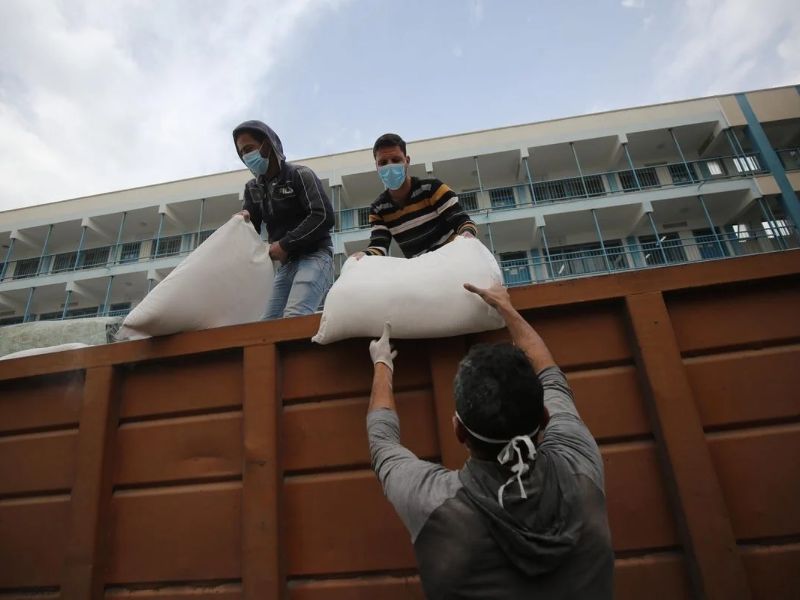
Christian relief workers in Syria are facing sharply higher diesel, food, and equipment costs while serving families displaced or impoverished by years of conflict. The report says funding shortages and broader economic disruption have already reduced humanitarian assistance, including World Food Programme food aid, and that transportation expenses could force smaller or less frequent deliveries. Syrian Christian families often rely on churches and relief groups for food, medicine, water, and recovery support, making rising logistics costs a direct threat to both emergency aid and long-term rebuilding.
Biblical Context
Christian families who have lost homes, businesses, income, or access to basic necessities are among the people Scripture places within the church’s field of practical responsibility. James 1:27 defines pure religion partly through caring for widows and others in distress; the elderly widow and grandchildren described in the report provide a concrete example of that concern. Galatians 2:10 records the importance of remembering the poor, while 1 John 3:17-18 warns that professed compassion is inadequate when believers with material resources refuse tangible help. These passages support assistance through churches and relief ministries, without implying that Scripture prescribes a particular humanitarian funding model. The New Testament also shows organized relief for believers facing severe material hardship. Acts 11:27-30 describes disciples determining to send assistance to Christians suffering from famine, and 2 Corinthians 8:13-15 presents generosity as an effort to address serious inequality so that one group’s abundance can help meet another’s need. Those principles illuminate the report’s concern that finite budgets and higher delivery costs may leave vulnerable families without sufficient aid. They do not establish that the reported fuel crisis fulfills prophecy. The report portrays Syrian families as unable to secure adequate work because of war, displacement, and economic instability—not as people refusing to work. Accordingly, passages addressing unwilling idleness are not the best lens for these circumstances. The central biblical connection is compassionate, practical care for people in distress and responsible stewardship of resources, rather than a specific prediction about fuel prices, Syria, or humanitarian logistics.
Watchmen Signals
Syrian Christian families facing displacement, poverty, lost livelihoods, and inadequate access to food and medicine are the kind of vulnerable people Scripture repeatedly calls believers to assist. Churches and relief teams putting that responsibility into practice reflect teachings such as caring for those in distress and remembering the poor, while the rising cost of delivery shows the practical limits that can affect such service.
Rising fuel costs, food insecurity, disrupted aid, and hardship in Syria are serious conditions, but the supplied facts do not correspond specifically to a particular biblical prophecy. Scripture contains broad teaching about suffering, poverty, and crisis; those general parallels are not enough to identify prophetic fulfillment.
The piece describes an ongoing humanitarian and economic strain, supported by background figures and a feature-style narrative, rather than a sudden event requiring immediate notification.
Biblical Sources
Scripture references supporting the biblical context above.
These verses call believers to express love through tangible action when they see fellow believers lacking material necessities, directly relating to food, medicine, water, and other aid.
Paul explains that giving can help meet urgent needs through shared resources, illuminating the report’s concern about finite relief budgets and unequal vulnerability.
The early Christians organized and sent relief to believers facing famine, providing a precedent for coordinated church assistance during a severe material crisis.
Paul identifies remembering the poor as an ongoing responsibility, supporting practical assistance to families affected by displacement, poverty, and persecution.
James connects authentic religious practice with caring for people in distress, including widows; this relates to relief for vulnerable Syrian families and the elderly widow described in the report.
Comments
No comments yet.
Sign in to join the conversation.
Sign InStay Informed. Grow in Biblical Understanding.
Explore important news from around the world through the context of God's Word. Create your FREE Watchmen account to discover more news analysis, Biblical Insights, and Scripture-based perspectives.
Create Your FREE AccountFree to join. No credit card required.