ASRA NOMANI: Muslim reformers reject ‘fire will rise’ warning if El-Sayed loses as 'Jihad First'
The Watchmen's Summary
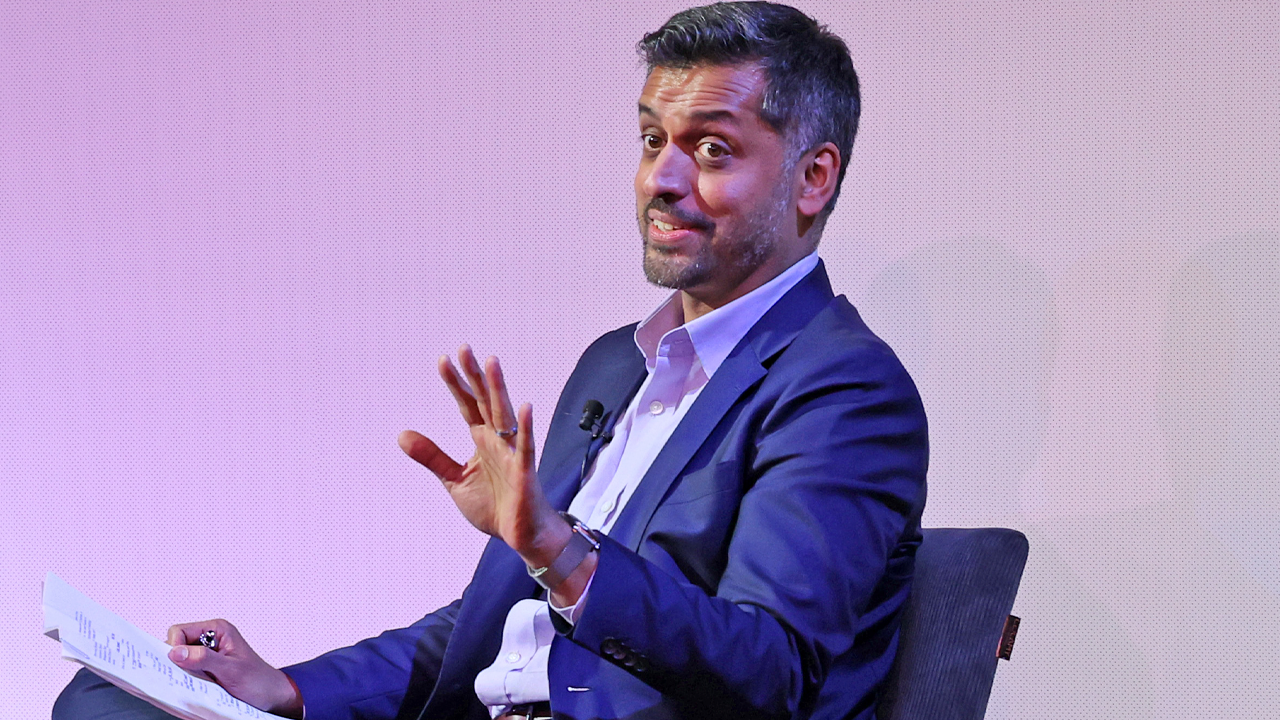
Political commentator Wajahat Ali is facing criticism from Muslim reformers after warning that Abdul El-Sayed’s defeat in a Michigan Senate race could bring “fire,” radicalization, and a political reckoning. Critics, including Dalia Ziada, Soraya Deen, and Zuhdi Jasser, say the language resembles intimidation tactics associated with Islamist politics, while Ali accused opponents of Islamophobia and anti-Arab bigotry. The dispute has widened into a debate over political Islam, secular government, anti-Israel activism, and the coalition supporting El-Sayed.
Biblical Context
Election rhetoric that suggests defeat could produce radicalization or “fire” raises biblical concerns about the proper response to civil authority and political disagreement. Romans 13:1-4 presents governing authority as accountable to God and describes its legitimate role in restraining wrongdoing; it does not endorse every ruler or political policy, but it rejects treating social disorder and retaliation as the normal answer to losing power. Titus 3:1-2 likewise calls citizens to be subject to authorities, ready for good work, and characterized by gentleness rather than slander and quarrels. These passages speak to the conduct urged in the controversy, not to whether any particular candidate or party is righteous. The language used by public figures also matters. James 3:5-10 warns that speech can cause disproportionate harm and condemns language that blesses God while cursing people made in His likeness. Proverbs 15:1 teaches that a gentle answer can turn away wrath, while Proverbs 29:2 connects righteous leadership with the welfare of a people and describes the distress associated with corrupt rule. Together, these texts support scrutiny of rhetoric that heightens grievance, demonizes opponents, or implies that political defeat justifies destabilization. The article’s references to anti-Israel activism do not establish a prophetic fulfillment. Scripture contains important teaching about Israel and the nations, but this dispute involves campaign rhetoric, political alliances, and competing interpretations of U.S. policy. Those facts are too general and too incomplete to identify a particular prophecy. The biblical connection is consequently ethical and civic: Christians should evaluate claims carefully, reject intimidation and violence, pray for rulers, and pursue truthful, peaceable conduct without equating a modern political coalition with a biblical prophetic event.
Watchmen Signals
Wajahat Ali’s warning that an election loss could bring radicalization and “fire,” together with the reformers’ objections to intimidation and political extremism, directly raises biblical concerns about speech, civic authority, peaceful conduct, and the responsibilities of rulers and citizens. The references to Israel and political Islam add religious and geopolitical significance, but the reported dispute does not by itself establish a biblical event or validate every characterization made by the participants.
Ali’s statements, the debate over political Islam, and criticism of Israel do not correspond to a specific prophetic passage with enough distinctive detail to justify a prophetic comparison. Scripture’s broader references to conflict, nations, Israel, or upheaval cannot by themselves establish that prophecy is being fulfilled here.
The controversy is recent and reactions are continuing, making the rhetoric worth monitoring during an active political campaign. No violence, immediate government action, or rapidly escalating crisis is described, so prompt emergency notification is not warranted.
Biblical Sources
Scripture references supporting the biblical context above.
The instruction to pray for kings and all in authority provides a biblical framework for responding to political conflict without treating partisan victory or defeat as grounds for hostility.
James emphasizes the power and danger of speech, making the passage relevant to inflammatory public statements that may intensify grievance or hostility toward political opponents.
The contrast between a gentle answer and words that provoke anger illuminates the dispute over whether public political rhetoric de-escalates conflict or raises its temperature.
The proverb connects the character of leadership with the condition of a people, offering a broad biblical basis for evaluating political conduct and its effects on public life.
Paul describes civil authority as accountable to God and responsible for restraining wrongdoing, supporting careful scrutiny of rhetoric that treats disorder or retaliation as the expected response to electoral defeat.
Paul urges believers to respect governing authorities, pursue good works, and avoid slander, quarrels, and harshness—principles relevant to the public dispute and its warnings about radicalization.
Comments
No comments yet.
Sign in to join the conversation.
Sign InStay Informed. Grow in Biblical Understanding.
Explore important news from around the world through the context of God's Word. Create your FREE Watchmen account to discover more news analysis, Biblical Insights, and Scripture-based perspectives.
Create Your FREE AccountFree to join. No credit card required.