Combination of congenital anomalies, socioeconomic deprivation impacts children's school success
The Watchmen's Summary
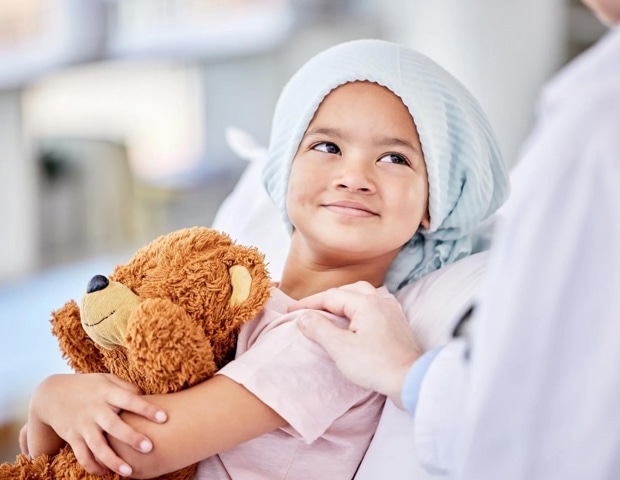
A Swansea University-led study of more than 256,000 children born in Wales between 1998 and 2007 found lower educational attainment among children with major congenital anomalies, but socioeconomic deprivation showed an even stronger association with results. At age 16, 46.8% of children with anomalies achieved the specified five-GCSE standard, compared with 56.1% of those without. Among the most deprived children, attainment fell to 29.7% and 38.4%, respectively. Researchers recommend more integrated health, education and social support.
Biblical Context
Children facing congenital disabilities, illness and poverty are precisely the kinds of vulnerable neighbors Scripture calls communities to protect rather than overlook. Proverbs 31:8-9 commands people with influence to speak for those who cannot adequately speak for themselves and to defend the rights of the poor. That principle applies to ensuring that children with significant health needs and children in deprived households are not denied fair educational opportunity. James 1:27 describes care for orphans and other vulnerable people as part of sincere religious practice. It does not prescribe a particular modern education or welfare system, but it supports practical attention to children whose health and social circumstances limit their opportunities. Deuteronomy 10:18-19 likewise presents God's concern for the vulnerable and calls his people to reflect that concern. These passages support an ethical obligation to care for disadvantaged children, while leaving questions about the design and division of responsibility among families, schools, charities and government to prudential judgment. The study does not identify a specific biblical prophecy, and its findings should not be presented as prophetic fulfillment. Its relevance is ethical and social: it documents unequal outcomes and raises questions about justice, mercy and responsible care for children with needs they did not choose.
Watchmen Signals
Children with congenital anomalies and children living in severe deprivation experience sharply reduced educational outcomes in the Welsh study. Proverbs 31:8-9, James 1:27 and Deuteronomy 10:18-19 support defending vulnerable people and providing practical care, although Scripture does not prescribe a particular modern education or social-service model.
The findings concern educational inequality, disability and the need for coordinated social support. Those conditions raise genuine questions of justice and mercy, but they do not correspond to a particular biblical prophecy or establish that any prophetic passage is being fulfilled.
The findings are important for long-term health, education, and social policy, but they describe completed research rather than a rapidly unfolding event requiring prompt notification.
Biblical Sources
Scripture references supporting the biblical context above.
These verses portray God's care for vulnerable people and command his people to love the sojourner, providing broader biblical support for attentive care of those at social risk.
James identifies practical care for vulnerable people as an expression of pure religious devotion, a principle relevant to supporting children facing disability, illness and poverty.
The passage calls for speaking up for those who cannot adequately represent themselves and defending the rights of the poor, supporting concern for children whose disability or deprivation places them at educational disadvantage.
Comments
No comments yet.
Sign in to join the conversation.
Sign InStay Informed. Grow in Biblical Understanding.
Explore important news from around the world through the context of God's Word. Create your FREE Watchmen account to discover more news analysis, Biblical Insights, and Scripture-based perspectives.
Create Your FREE AccountFree to join. No credit card required.