What is the importance of Qeshm Island to Iran, why does the US keep targeting it? - explainer
The Watchmen's Summary
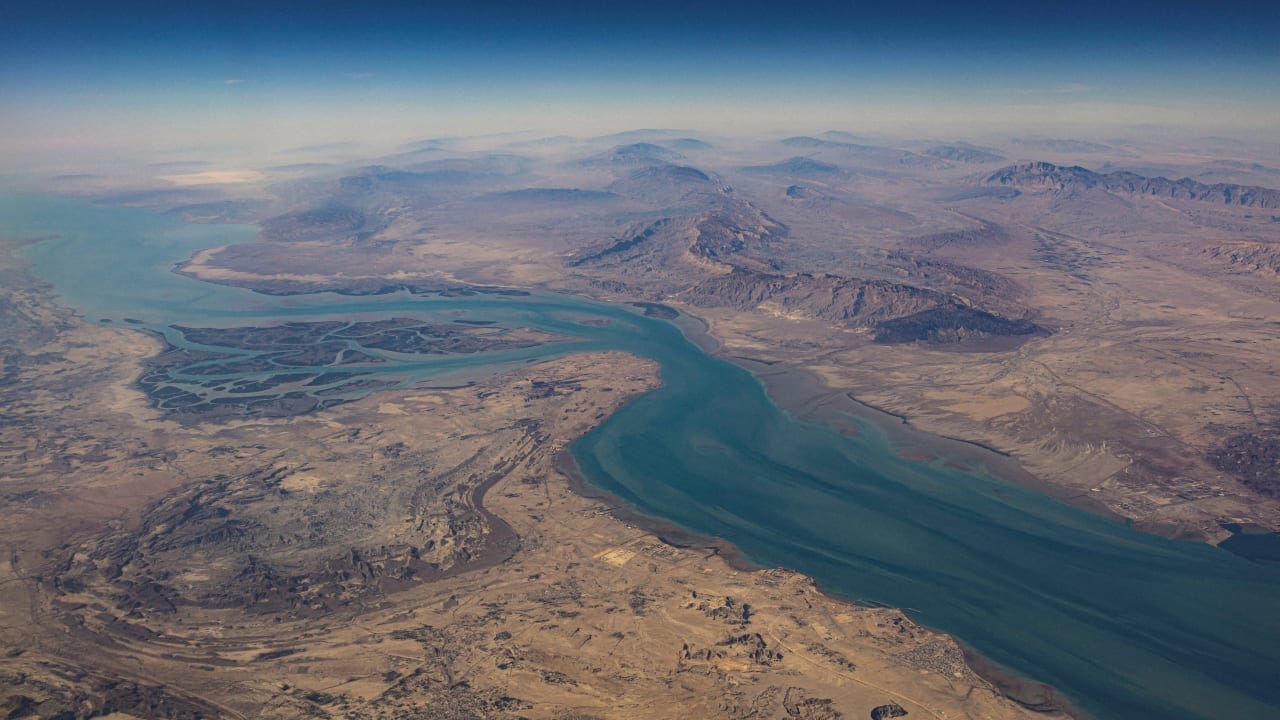
US forces reportedly struck Iran’s Qeshm Island on Monday, November 2, targeting an area associated with surveillance and military infrastructure near the Strait of Hormuz. A US official cited by Reuters described the operation as limited and not a return to large-scale combat. Qeshm supports Iran’s ability to monitor shipping and threaten vessels with missiles, drones, small boats, and coastal systems. The island’s underground facilities and fixed installations may also be vulnerable to attack, raising concerns about renewed US-Iran escalation and disruption to a vital energy corridor.
Biblical Context
Military strikes, threats against commercial shipping, and the possibility of widening conflict raise questions Scripture addresses concerning war, governmental authority, and the pursuit of peace. Ecclesiastes 3:8 recognizes that human history includes both war and peace, but it does not present every military action as morally justified. Jesus’ warning in Matthew 24:6 places wars and reports of wars within the realities of a troubled world while cautioning against treating them automatically as proof that the end has arrived. Romans 13:1–4 describes governing authorities as accountable institutions that may wield the sword to restrain wrongdoing. Applied to the reported US action, the passage supports recognizing the state’s responsibility for security and order, but it does not automatically validate a particular strike; the necessity, proportionality, targets, and consequences still require moral judgment. Scripture therefore supports careful attention to the conduct and accountability of leaders without identifying the Qeshm operation itself as a prophetic fulfillment. No specific biblical prophecy is established by the reported facts. The presence of military conflict, Iran, strategic waterways, or regional escalation is not enough to demonstrate fulfillment of a particular prophetic passage.
Watchmen Signals
US strikes, Iranian threats to shipping, and the prospect of a broader war place decisions by national authorities, the use of force, and the pursuit of peace at the center of the story. Scripture addresses those realities through its teaching on war, civil authority, and human accountability, though it does not determine whether this particular operation was justified.
Nothing in the reported Qeshm strikes establishes the distinctive events, participants, timing, or outcome of a particular biblical prophecy. Military conflict around Iran and the Strait of Hormuz may prompt speculation, but general similarities involving war or geography are not sufficient evidence of prophetic fulfillment.
The strikes occurred overnight amid renewed US-Iran tensions, but officials said they were limited and did not signal a return to large-scale combat. The main immediate concern is whether further attacks or retaliation will follow, making this a developing situation rather than a clear emergency alert.
Biblical Sources
Scripture references supporting the biblical context above.
The passage recognizes a time for war and a time for peace, providing a sober framework for considering the reported military confrontation without treating war as automatically righteous or prophetic.
Jesus warns that believers will hear of wars and rumors of wars and tells them not to be alarmed or conclude from such reports alone that the end has arrived.
Paul describes civil authorities as responsible for public order and accountable in their use of coercive power, which bears on the duties and moral responsibility of leaders directing military action.
Comments
No comments yet.
Sign in to join the conversation.
Sign InStay Informed. Grow in Biblical Understanding.
Explore important news from around the world through the context of God's Word. Create your FREE Watchmen account to discover more news analysis, Biblical Insights, and Scripture-based perspectives.
Create Your FREE AccountFree to join. No credit card required.