In first, son of South Lebanon Army veteran joins Israeli Foreign Ministry cadet program
The Watchmen's Summary
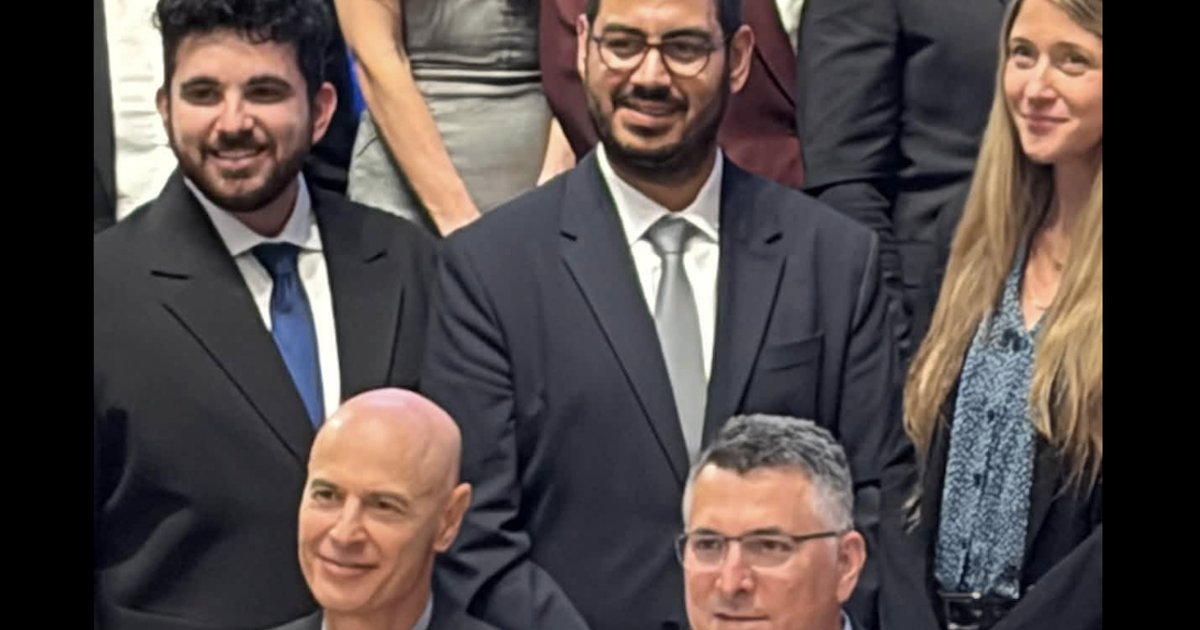
Jonathan Elkhoury, whose family fled Lebanon for Israel after Hezbollah threats against his father, has entered Israel’s Foreign Ministry diplomatic cadet program. He is described as the first member of the former South Lebanon Army community to join the course. Elkhoury has spent 13 years advocating for former SLA families and working in public diplomacy. His appointment comes as Foreign Minister Gideon Sa’ar stresses the importance of communicating Israel’s position amid international criticism related to the wars in Gaza and Lebanon. The article also notes continued Maronite community ties and recent church vandalism in Nahariya.
Biblical Context
Jonathan Elkhoury’s entry into Israel’s diplomatic service is not identified in Scripture, and the reported Israel-Lebanon relationship does not establish a prophetic fulfillment. The strongest biblical connections concern the treatment of displaced and threatened people, justice for vulnerable communities, responsible public authority, and the pursuit of peace. Deuteronomy 10:18-19 commands God’s people to love and protect the foreigner, remembering their own vulnerability in Egypt. That principle is relevant to the account of Lebanese Christian families who fled to Israel and built a life there, although the passage does not prescribe a particular modern immigration or citizenship policy. Hebrews 13:3 likewise calls believers to remember prisoners and those being mistreated, which provides a moral framework for considering families displaced by threats and communities facing intimidation. Psalm 82:3-4 calls for the defense of the weak and needy and for their rescue from oppression. This relates to the article’s reports of Hezbollah threats, the vulnerability of a small Maronite community, and concern over vandalism at a historic church. It does not resolve the broader political or military disputes described in the report. Romans 13:1-4 describes civil authorities as accountable for restraining wrongdoing and pursuing justice. That principle bears on the Israeli police response promising to investigate the church vandalism and bring those responsible to justice, while also cautioning that governmental authority is not automatically vindicated by its own claims. Matthew 5:9 commends peacemakers, offering a relevant standard for Elkhoury’s stated emphasis on peace and good-neighborly relations and for Sa’ar’s call to present Israel’s position with justice. These are ethical and thematic connections, not evidence that this appointment fulfills a particular prophecy.
Watchmen Signals
Jonathan Elkhoury’s family history, the displacement of Lebanese Christians by threats, the protection of a small religious community, and the response to vandalism at a church all connect with Scripture’s teaching on justice, care for vulnerable people, peacemaking, and accountable authority. These passages illuminate the moral issues surrounding the development, but they do not endorse every Israeli or Lebanese political claim.
No specific prophetic passage identifies a former South Lebanon Army member joining Israel’s diplomatic service or predicts this relationship between Israel and Lebanese Christians. Regional conflict, Israel’s diplomatic activity, and Hezbollah’s hostility are not enough by themselves to demonstrate prophetic fulfillment.
The cadet appointment is a scheduled personnel and diplomatic development rather than a rapidly unfolding event requiring immediate notification. The surrounding history provides context but does not create time-sensitive urgency.
Biblical Sources
Scripture references supporting the biblical context above.
God’s care for the foreigner and the command to love the foreigner provide a direct ethical lens for considering Lebanese Christian families who fled threats and made their home in Israel, without prescribing a specific modern state policy.
The exhortation to remember those imprisoned or mistreated relates to the reported displacement and vulnerability of former SLA families and the continuing insecurity experienced by a small religious community.
Jesus’ commendation of peacemakers provides a relevant moral standard for the stated goal of peaceful neighborly relations and for the diplomatic role Elkhoury has entered, though it is not a prophecy about his appointment.
The call to defend the weak and needy and rescue them from oppression bears on threats against SLA families, protection of the Maronite community, and the reported vandalism of a church.
This passage presents civil authority as responsible for restraining wrongdoing and pursuing justice, which relates to the Israeli police response to the reported church vandalism and its promise of accountability.
Comments
No comments yet.
Sign in to join the conversation.
Sign InStay Informed. Grow in Biblical Understanding.
Explore important news from around the world through the context of God's Word. Create your FREE Watchmen account to discover more news analysis, Biblical Insights, and Scripture-based perspectives.
Create Your FREE AccountFree to join. No credit card required.