Trump’s troubles with Iran could open the door to China
The Watchmen's Summary
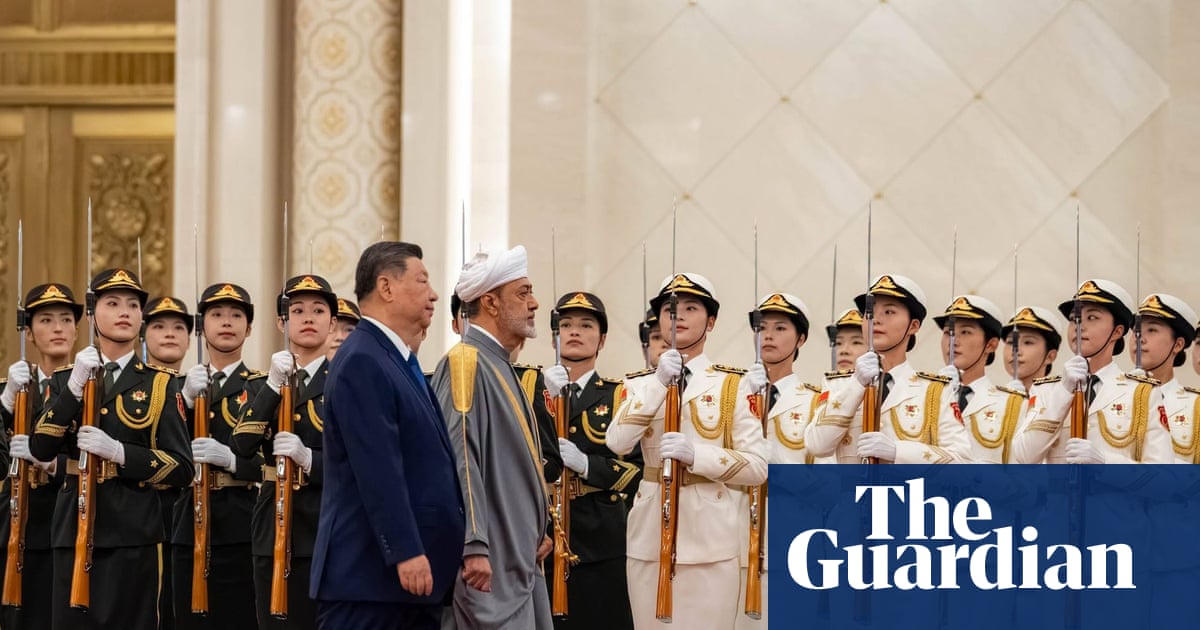
China has intensified Middle Eastern diplomacy through Xi Jinping’s meeting with Oman’s Sultan Haitham bin Tariq and talks between Foreign Minister Wang Yi and senior Saudi and Iranian officials. Beijing says it wants to prevent great-power rivalry and promote regional stability, while also supporting Iran’s sovereignty and security. Its leverage includes major purchases of Iranian oil and its 2023 Saudi-Iran détente. The conflict, possible reopening of the Strait of Hormuz, and threatened renewed U.S. action could affect energy markets, China’s economy, and the regional balance of power.
Biblical Context
The meetings among China, Oman, Saudi Arabia, Iran, and the United States place rulers and diplomacy at the center of a conflict affecting regional security, energy supplies, and civilian stability. Scripture treats government authority, the conduct of nations, and efforts to restrain conflict as serious matters, while not identifying China’s present diplomacy as a fulfillment of prophecy. Romans 13:1-4 describes governing authorities as accountable to God for maintaining order and restraining wrongdoing. That principle provides a relevant framework for evaluating China’s stated desire to promote peace, its support for Iran’s security, and the possible use of economic leverage. It does not by itself endorse any government’s motives or policies. Jesus calls peacemakers blessed in Matthew 5:9, and Romans 12:18 instructs believers to pursue peace where possible. These passages illuminate the stated diplomatic aim of preventing wider conflict, although they address Christian conduct rather than granting political legitimacy to a particular mediator. First Timothy 2:1-2 also directs prayer for rulers so that societies may experience peace and stability, which is pertinent to the threatened military escalation and negotiations described here. James 4:1-2 connects conflict to disordered desires and competition, offering a broader moral lens for examining war and geopolitical rivalry. The passage does not explain the specific causes of this conflict, nor does it establish a prophetic timetable. No particular biblical prophecy is identified by the reported meetings, oil-trade decisions, or possible reopening of the Strait of Hormuz; those developments may be significant, but their resemblance to general biblical themes of war and international tension is not enough to establish prophetic fulfillment.
Watchmen Signals
China’s meetings with Omani, Saudi, and Iranian officials concern war, national authority, peace efforts, and the conduct of nations—subjects Scripture addresses through its teaching on rulers, conflict, and peacemaking. Those passages offer principles for evaluating the diplomacy and its consequences, although they do not endorse China’s policies or identify this episode as a specifically biblical event.
The reported meetings, China’s oil leverage, the Strait of Hormuz risk, and possible renewed U.S. action do not correspond closely enough to a particular prophetic passage. Scripture contains prophecies involving nations and conflict, but the facts here establish diplomatic maneuvering and regional uncertainty—not prophetic fulfillment.
China is intensifying diplomatic outreach and plans to send a special envoy to several key regional capitals, while Washington and Tehran remain engaged in tense negotiations. No immediate attack or decisive agreement is reported, but the situation warrants close monitoring.
Biblical Sources
Scripture references supporting the biblical context above.
The passage calls for prayer for kings and authorities so that people may live peaceful and godly lives, fitting the article’s focus on rulers, military danger, and negotiations.
James addresses the sinful desires and conflicts that produce quarrels and wars, offering a broader moral perspective on geopolitical rivalry without identifying the present events as prophecy.
Jesus blesses peacemakers, which relates to the diplomatic efforts described, while the passage addresses the character and calling of peacemakers rather than proving that a government is acting righteously.
Paul urges believers, insofar as it depends on them, to live peaceably with others; this supports a general biblical concern for peace without validating any specific state’s motives.
Paul describes governing authorities as accountable to God for maintaining public order and restraining wrongdoing, providing a relevant framework for assessing the conduct and stated peace efforts of China and other governments.
Comments
No comments yet.
Sign in to join the conversation.
Sign InStay Informed. Grow in Biblical Understanding.
Explore important news from around the world through the context of God's Word. Create your FREE Watchmen account to discover more news analysis, Biblical Insights, and Scripture-based perspectives.
Create Your FREE AccountFree to join. No credit card required.