A Few Miles From the US Capitol, Dozens Slept in Their Cars, Waiting for Free Care
The Watchmen's Summary
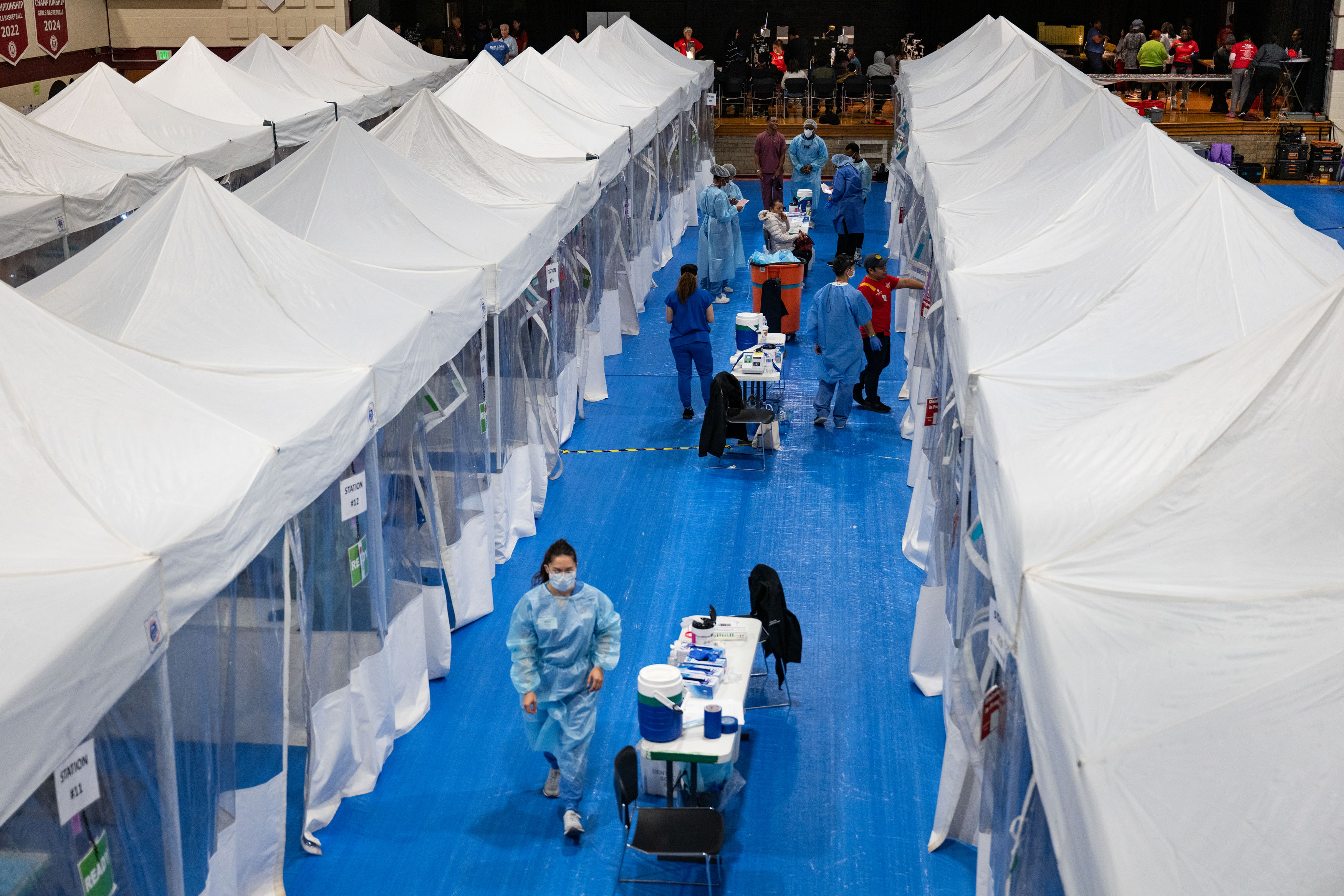
A free Remote Area Medical clinic at Takoma Academy in Takoma Park, Maryland, treated 467 patients over an October weekend, including people who had slept in cars to obtain medical, dental, or vision care. More than 300 volunteers provided services, while many patients reported being uninsured or unable to afford deductibles, copays, and routine dental treatment despite having coverage. Organizers said nearly two-thirds lacked a regular source of care outside emergency rooms, underscoring persistent affordability and access problems even in a relatively affluent suburban area.
Biblical Context
People who delayed treatment because they lacked insurance or could not afford out-of-pocket costs are directly connected to Scripture's concern for the sick, poor, and vulnerable. In Matthew 25:35-40, Jesus identifies visiting and caring for those in need with service rendered to him; the volunteer doctors, dentists, and vision professionals provide a practical example of such mercy, although the passage is not a specific healthcare policy prescription. James 2:15-16 warns against offering verbal goodwill to people lacking necessities without giving practical help. The clinic's donated treatment, prescriptions, and eyeglasses illustrate the kind of tangible assistance James commends. These passages support compassion and concrete care, but they do not by themselves determine whether government, employers, insurers, charities, or individuals should bear primary responsibility for healthcare financing. The article describes a serious human need and a charitable response; Scripture supplies moral principles for responding to that need rather than a direct solution to the modern insurance system.
Watchmen Signals
Hundreds of patients delayed medical, dental, or vision care because they lacked insurance or could not afford deductibles and copays, while volunteers supplied treatment and prescriptions. Jesus' call to care for people in need and James's insistence that compassion include practical help speak directly to both the suffering described and the service provided.
The clinic reflects a contemporary healthcare affordability crisis and a charitable response, but those facts do not correspond to a specific biblical prophecy or distinctive prophetic pattern. Scripture's teachings on mercy and care for the vulnerable are relevant here, yet they should not be presented as evidence of prophetic fulfillment.
The clinic had already taken place, and the article provides a broader feature on healthcare access rather than announcing an unfolding emergency or decision requiring immediate reader attention.
Biblical Sources
Scripture references supporting the biblical context above.
James rejects compassionate words without practical assistance when a person lacks basic necessities. The volunteers' donated examinations, treatment, prescriptions, and eyeglasses provide a concrete parallel.
Jesus describes feeding, welcoming, clothing, and visiting people in need as service to him. The passage directly supports compassionate, practical care for vulnerable people, including those seeking essential medical and dental help.
Comments
No comments yet.
Sign in to join the conversation.
Sign InStay Informed. Grow in Biblical Understanding.
Explore important news from around the world through the context of God's Word. Create your FREE Watchmen account to discover more news analysis, Biblical Insights, and Scripture-based perspectives.
Create Your FREE AccountFree to join. No credit card required.