Expecting a Baby? Five Tips To Help You Prepare for Pregnancy Costs
The Watchmen's Summary
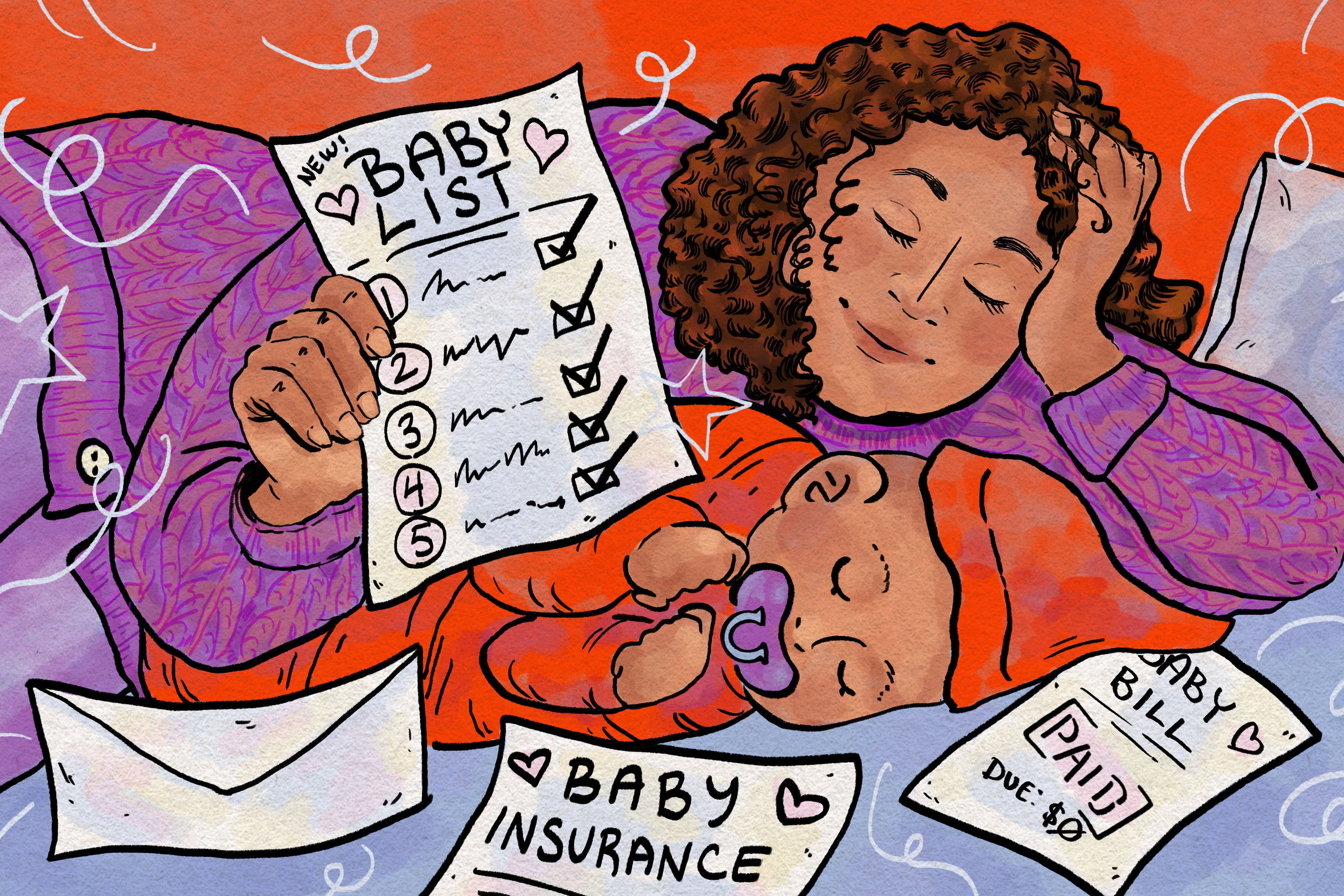
Grace and Daniel Griffin of Calumet, Michigan, expected routine pregnancy and delivery costs of about $2,700 based on their UnitedHealthcare plan’s estimate, but their out-of-pocket expenses exceeded $9,000 after their daughter’s birth. The case illustrates how deductibles, coinsurance, provider charges, and plan-year rules can make maternity costs difficult to predict. Federal regulators have not implemented an individualized cost-estimate requirement mandated under the 2020 No Surprises Act. The article also offers guidance on newborn enrollment, network providers, billing appeals, and financial assistance.
Biblical Context
Families preparing for childbirth should not have to navigate unclear costs or face avoidable financial harm while seeking necessary care. Isaiah 1:17 calls God’s people to seek justice and defend the vulnerable; that principle is relevant to systems that leave young parents struggling to understand or challenge large medical bills. Proverbs 31:8-9 likewise urges advocacy for people whose circumstances require protection and fair treatment, which can include speaking up for families facing confusing insurance rules and unaffordable obligations. James 2:15-16 gives a concrete test for compassion: kind words are inadequate when people lack what they need for daily life. The passage does not prescribe a particular insurance system, but it supports practical assistance such as payment plans, financial aid, and programs that help families preserve basic stability. The article’s emphasis on accurate cost information also has a more indirect connection to Leviticus 19:35-36, where honest weights and measures are required in commercial dealings. That text addresses marketplace fairness rather than modern medical billing, so it should be treated as a principle-level comparison, not a claim that the article proves intentional deception. These passages support concern for justice, truthful dealings, advocacy, and tangible care. They do not establish that every high bill is unjust, that insurers acted corruptly, or that one government policy is biblically mandated. The article reports a family’s experience and broader administrative shortcomings; Scripture supplies moral principles for evaluating whether vulnerable people are being treated fairly and helped in practice.
Watchmen Signals
Young parents confronting unexpectedly high maternity bills are dealing with questions of justice, honest financial dealings, and practical care for people under strain. Isaiah 1:17, Proverbs 31:8-9, and James 2:15-16 speak directly to defending vulnerable people and responding to their material needs, while the connection to modern insurance administration remains an application of those principles rather than a direct biblical treatment of health plans.
Maternity costs, delayed insurance transparency requirements, and newborn enrollment problems do not correspond to a specific biblical prophecy or distinctive prophetic pattern. Scripture offers principles for justice and care, but the reported events do not provide a responsible basis for claiming prophetic fulfillment.
The material provides consumer guidance and background on an ongoing insurance-policy failure rather than announcing a sudden event or immediate emergency requiring prompt notification.
Biblical Sources
Scripture references supporting the biblical context above.
Calls God’s people to seek justice, correct oppression, and defend the vulnerable, providing a relevant framework for evaluating burdens placed on families seeking necessary maternity care.
Shows that concern for people in need should include practical assistance rather than words alone, relating to payment support, financial aid, and help for families facing medical expenses.
Requires honest measures in economic transactions. The connection to medical cost estimates and billing transparency is indirect and principle-based, not evidence that the reported discrepancies were intentional fraud.
Urges advocacy for those who cannot adequately speak for themselves and commands fair judgment, which relates to helping families challenge confusing bills and coverage decisions.
Comments
No comments yet.
Sign in to join the conversation.
Sign InStay Informed. Grow in Biblical Understanding.
Explore important news from around the world through the context of God's Word. Create your FREE Watchmen account to discover more news analysis, Biblical Insights, and Scripture-based perspectives.
Create Your FREE AccountFree to join. No credit card required.