Trump calls Iran conflict a 'soft war,' insists US holds the cards ahead of midterm elections
The Watchmen's Summary
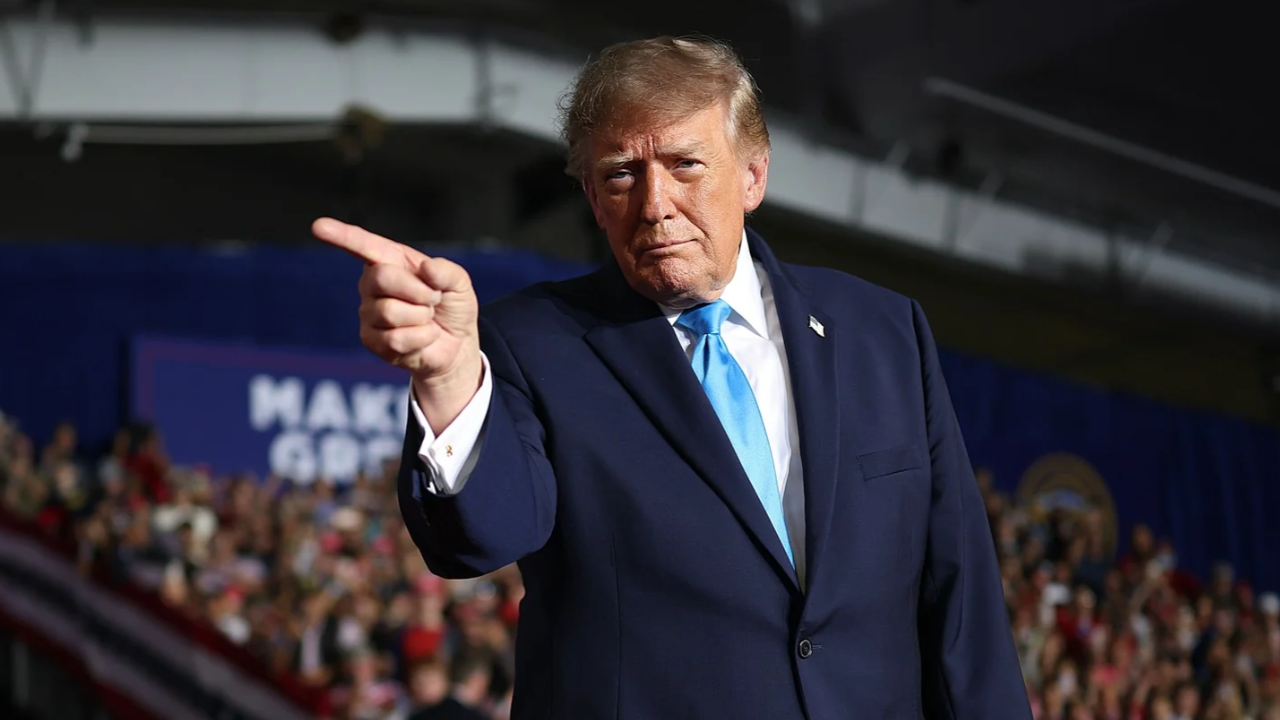
President Donald Trump said the United States’ eight-month conflict with Iran is a limited “soft war,” not a conventional or “forever war,” and could end through negotiations. His comments followed a U.S. defensive strike on Iran’s Qeshm Island after Iran fired at a U.S. aircraft. Trump threatened further attacks if nuclear talks fail, while claiming earlier strikes severely damaged Iran’s military and nuclear capabilities. The conflict has reportedly cost more than $47 billion and become a political liability for Republicans before the midterm elections.
Biblical Context
The conflict places governmental power, military force, national security, economic cost, and the pursuit of peace in the same frame. Romans 13:1-4 recognizes the governing authority’s responsibility to restrain wrongdoing and describes the state as accountable for how it uses coercive power; it does not make every government action automatically just. Luke 14:31-32 commends soberly assessing the cost and strength involved before entering conflict, which bears directly on the administration’s claims about the war’s price, objectives, and prospects for ending it. Jesus’ blessing of peacemakers in Matthew 5:9 and Paul’s instruction to pray for rulers in 1 Timothy 2:1-2 support the stated importance of negotiations and responsible leadership. These passages do not determine whether the U.S. strikes or Iran’s conduct are justified, nor do they identify the conflict as prophetic fulfillment. The reported involvement of Iran, historically associated with Persia, is insufficient to connect these events to a particular prophecy; the facts describe a contemporary military and diplomatic confrontation rather than a clearly identifiable prophetic event.
Watchmen Signals
U.S. military action against Iran, threats of renewed strikes, nuclear negotiations, governmental responsibility, and the financial burden on taxpayers all fall within subjects Scripture addresses: the use of authority, the cost of conflict, the pursuit of peace, and prayer for rulers. Scripture informs the moral questions surrounding these decisions without settling the article’s disputed factual or legal claims.
Iran’s historical association with Persia does not by itself establish a prophetic connection. The reported strikes, nuclear negotiations, military threats, and election-year debate do not correspond closely enough to a specific biblical prophecy or distinctive prophetic pattern to support a fulfillment claim.
A new U.S. strike on Iranian territory followed an Iranian attack on a U.S. aircraft, while the president warned of much harsher action if negotiations fail. Those rapidly changing military and diplomatic conditions warrant prompt attention.
Biblical Sources
Scripture references supporting the biblical context above.
Paul urges prayer for rulers and those in authority, a relevant biblical response to decisions involving war, national security, economic hardship, and the welfare of civilians.
Jesus uses a king’s careful assessment of military strength and terms of peace to illustrate prudent decision-making, which relates to the conflict’s costs, military claims, and negotiations.
Jesus commends peacemakers, supporting attention to the reported nuclear negotiations and the moral importance of ending hostilities without treating diplomacy as proof that a settlement will succeed.
Paul describes governing authorities as responsible for public order and accountable in their use of coercive power, providing a framework for considering the U.S. government’s military decisions and stated security aims.
Comments
No comments yet.
Sign in to join the conversation.
Sign InStay Informed. Grow in Biblical Understanding.
Explore important news from around the world through the context of God's Word. Create your FREE Watchmen account to discover more news analysis, Biblical Insights, and Scripture-based perspectives.
Create Your FREE AccountFree to join. No credit card required.