US struck Iran's Qeshm Island, US officials confirm - report
The Watchmen's Summary
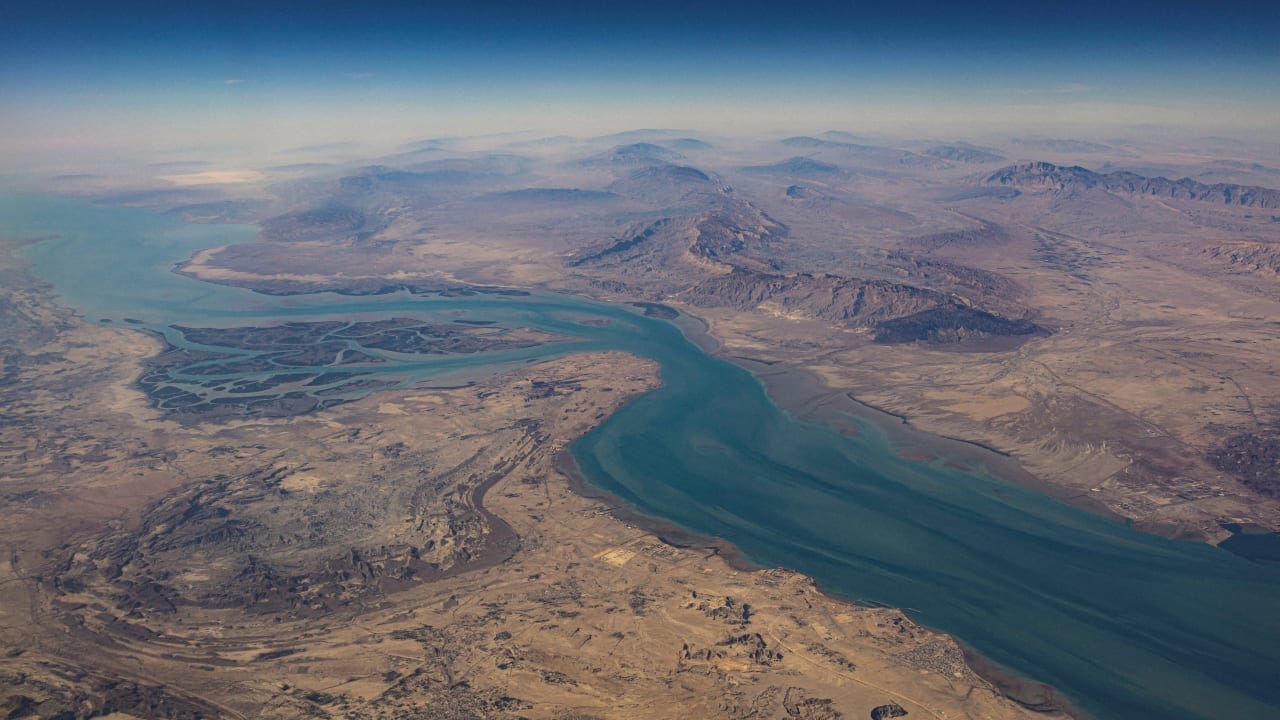
The United States reportedly struck Iran’s Qeshm Island, near the strategically important Strait of Hormuz, after several explosions were reported there by Iranian state media. The Wall Street Journal, citing U.S. officials, described the action as the latest in a series of limited and deliberately undisclosed American strikes conducted in recent weeks. The report comes as President Donald Trump expressed uncertainty about resuming broader military operations while also saying a potential agreement with Tehran remained possible. U.S. Central Command had not publicly confirmed the strike.
Biblical Context
Military action near the Strait of Hormuz raises biblical questions about the authority and responsibility of governments, the human costs of war, and the pursuit of peace. Romans 13:1-4 recognizes the governing authority to restrain wrongdoing, while also describing that authority as accountable to a purpose of justice rather than arbitrary violence; it offers a principle for evaluating state action, not a blanket endorsement of any particular strike. Jesus’ blessing of peacemakers in Matthew 5:9 and Paul’s instruction to pray for rulers so that societies may live in peace in 1 Timothy 2:1-2 are especially relevant as Washington weighs continued attacks against negotiations. James 4:1-2 connects conflicts to disordered human desires, a general moral warning applicable to leaders and nations. These passages do not identify the United States, Iran, Qeshm Island, or this war, and they do not establish that the reported strikes fulfill biblical prophecy. No specific prophetic passage is sufficiently matched by the reported facts.
Watchmen Signals
U.S. strikes on Iran’s Qeshm Island, the possibility of renewed military action, and the competing prospect of a diplomatic agreement raise biblical concerns about the authority and conduct of rulers, the human consequences of war, and the pursuit of peace. Scripture offers principles for assessing those issues, but it does not specifically identify this modern conflict.
Iran is sometimes associated with Persia in prophetic interpretations, but the reported strike does not contain the distinctive coalition, target, timing, or circumstances described in passages such as Ezekiel 38. The explosions and limited U.S. attacks therefore do not establish a specific prophetic correspondence or fulfillment.
A newly disclosed U.S. strike on Iranian territory during an active war carries immediate geopolitical and military significance, particularly because it occurred near the Strait of Hormuz and amid uncertainty over whether larger attacks will resume.
Biblical Sources
Scripture references supporting the biblical context above.
Paul urges prayer for rulers so that people may live peaceful and orderly lives, a fitting biblical response to leaders deciding whether to continue military operations or seek agreement.
James examines the roots and destructive effects of conflict, offering a broad moral warning relevant to warfare and the motives behind decisions that intensify it.
Jesus blesses peacemakers, directly supporting the importance of evaluating the reported strikes alongside the possibility of negotiations and the pursuit of an end to hostilities.
Paul describes government authority and its responsibility to restrain wrongdoing and pursue justice, providing a framework for considering the legitimacy and limits of military action by states.
Comments
No comments yet.
Sign in to join the conversation.
Sign InStay Informed. Grow in Biblical Understanding.
Explore important news from around the world through the context of God's Word. Create your FREE Watchmen account to discover more news analysis, Biblical Insights, and Scripture-based perspectives.
Create Your FREE AccountFree to join. No credit card required.