ICE, inflation and Trump: gen Z readers share their concerns heading into the voting both
The Watchmen's Summary
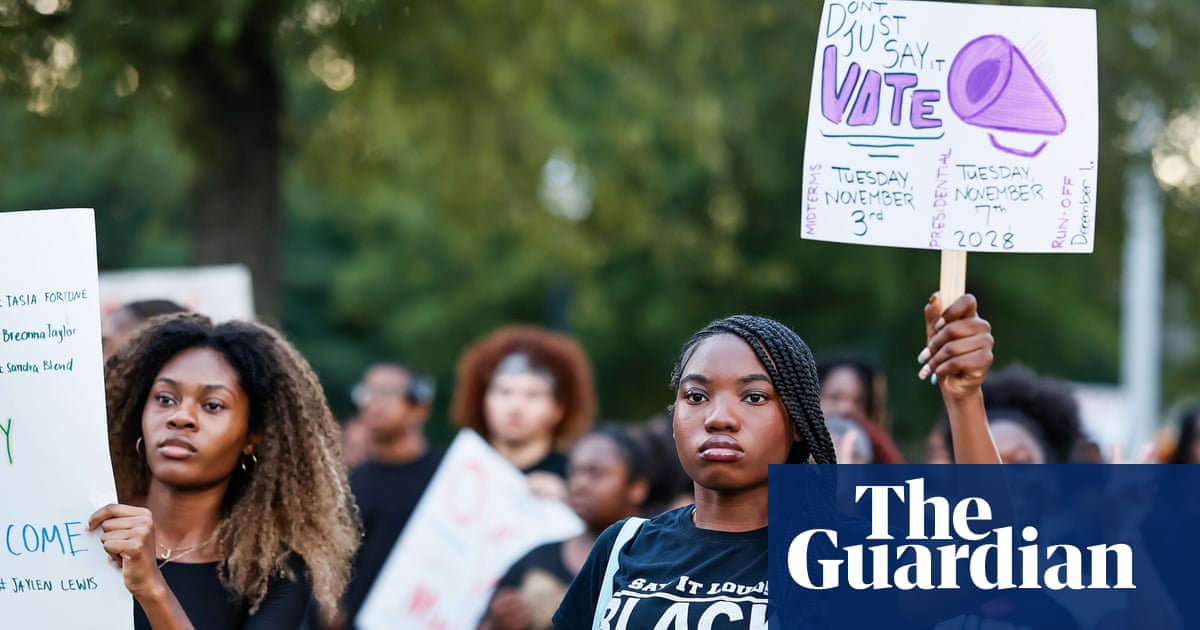
Young Americans are entering the 2026 US midterms amid widespread concern about affordability, immigration enforcement, climate policy, civil rights, election integrity, artificial intelligence, the Israel-Gaza war and political leadership. Interviews with Gen Z voters across several states show frustration with both major parties, economic exhaustion and uncertainty about whether voting can produce meaningful change. Nearly 50 million Americans aged 18 to 29 are eligible to vote, but the article says almost half remain unregistered or civically disengaged, according to US Census Bureau data.
Biblical Context
The concerns raised by these young voters touch several responsibilities that Scripture assigns to rulers and citizens. Deuteronomy 16:18–20 commands judges and officials to administer justice without partiality or bribes, which provides a direct ethical framework for complaints about political integrity, unequal treatment and possible abuse of public power. Romans 13:1–4 describes civil authority as having a responsibility to restrain wrongdoing and pursue the public good; it does not endorse every government action, but it helps frame questions about immigration enforcement, public order and official accountability. The article’s references to minorities, immigrants and vulnerable people also connect with Leviticus 19:33–34, where Israel is commanded not to mistreat the foreigner, and Proverbs 31:8–9, which calls those with authority to defend the rights of the poor and needy. These passages support concern for humane treatment and justice, while leaving modern policy details—including the proper role of government healthcare, taxation or immigration systems—open to prudential judgment. Economic hardship and the dignity of work are likewise relevant. Scripture calls for honest labor and rejects exploiting workers, as reflected in 2 Thessalonians 3:10–12 and James 5:4. Those teachings should not be applied indiscriminately to people who are unable to work: the article describes people facing high bills, demanding schedules and medical or educational debt, not simply unwillingness to work. Overall, these are principled connections to governance, justice, economic pressure and protection of vulnerable people, not evidence of a distinct biblical event.
Watchmen Signals
Young voters describe concrete concerns about the conduct of rulers, election integrity, immigration enforcement, economic hardship and the treatment of vulnerable people. Deuteronomy 16:18–20, Romans 13:1–4, Leviticus 19:33–34 and Proverbs 31:8–9 speak directly to justice, public authority and the treatment of foreigners and the needy, although Scripture does not prescribe a particular modern party or policy program.
The reported material consists of voter interviews and expectations surrounding the 2026 US midterms. References to conflict, Israel-Gaza, political instability and possible election disruption do not correspond specifically enough to a particular prophetic passage or identifiable prophetic pattern to support a responsible claim of fulfillment.
The midterms are an important upcoming political event, but this feature provides background and personal perspectives rather than reporting an immediate crisis, major decision, or rapidly unfolding change.
Biblical Sources
Scripture references supporting the biblical context above.
Paul encourages responsible, orderly work and warns against idleness; this helps distinguish questions of personal responsibility from the article’s descriptions of people burdened by work, debt and living costs.
Officials are commanded to judge justly, reject partiality and refuse bribes; this directly illuminates concerns about political integrity, unequal treatment and accountability.
The passage condemns withholding wages from workers, offering a relevant biblical concern about economic justice and the treatment of people whose labor supports society.
Israel is instructed not to mistreat the foreigner and to love the foreigner as a native-born person, which bears on the article’s concerns about immigrants and immigration enforcement.
Those with authority are urged to speak for the vulnerable and defend the rights of the poor and needy, relating to concerns about affordability, minority protections and government responsibility.
Civil authorities are described as accountable to God and responsible for restraining wrongdoing and serving the public good, providing context for discussion of government power and enforcement.
Comments
No comments yet.
Sign in to join the conversation.
Sign InStay Informed. Grow in Biblical Understanding.
Explore important news from around the world through the context of God's Word. Create your FREE Watchmen account to discover more news analysis, Biblical Insights, and Scripture-based perspectives.
Create Your FREE AccountFree to join. No credit card required.