Israel grants ‘immunity’ to Hamas political officials, targeted strikes continue in Gaza
The Watchmen's Summary
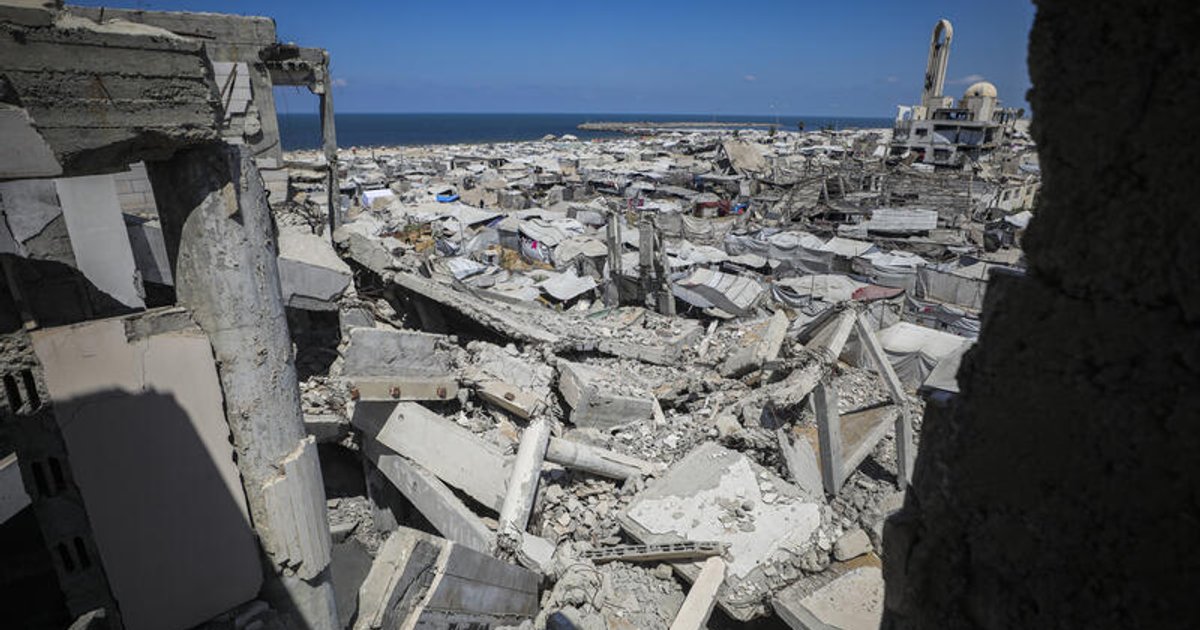
Israel is reportedly sparing Hamas-affiliated mayors and senior municipal officials in Gaza to prevent a power vacuum, civil disorder, and clashes among armed factions. The decision comes as Hamas refuses to disarm, delaying the entry of the proposed Palestinian technocratic administration and International Stabilization Force. U.S. officials are pressing Israel to advance the Gaza Peace Plan, while Israel says Hamas is rebuilding its military capabilities. Israeli forces continue conducting two to three targeted strikes daily, aided by improved intelligence, even as Hamas retains coercive control over Gaza’s population.
Biblical Context
Gaza’s reported combination of armed conflict, coercive governance, threatened civil disorder, and uncertainty over legitimate administration connects with Scripture’s sustained concern for justice, protection of vulnerable people, and the accountability of rulers. Psalm 82:3-4 calls those with authority to defend the weak and rescue the vulnerable; that principle bears directly on any policy affecting Gaza’s civilian population, including the consequences of Hamas arrests, intimidation, taxation, Israeli strikes, and possible power vacuums. Romans 13:1-4 describes civil authority as responsible for restraining wrongdoing and protecting the public, while also presenting that authority as accountable to a moral purpose rather than mere power. The competing claims in this situation—Israel’s security responsibilities, Hamas’s coercive control, and the proposed replacement administration—can be evaluated against that standard without assuming that any party fully meets it. Isaiah 10:1-2 condemns rulers who enact unjust decrees and deprive the vulnerable of justice, making it relevant to allegations of political repression and coercive taxation, though the passage does not identify modern Gaza or prescribe a particular military policy. Proverbs 29:2 observes that people suffer when the wicked rule, and its broader principle helps explain why governance matters even when an armed movement’s political wing is being preserved to avoid worse disorder. These passages support ethical scrutiny of the conduct of rulers and armed groups, but they do not determine whether Israel’s reported restraint, the proposed Gaza Peace Plan, or any specific strike is justified. No particular prophetic passage is established by the facts provided; the conflict, stalled disarmament, and international pressure are not by themselves sufficient to identify prophetic fulfillment.
Watchmen Signals
Israel’s effort to preserve parts of Hamas’s political apparatus while confronting its armed wing raises direct biblical questions about rulers, justice, oppression, public protection, and the consequences of lawless or coercive authority. Scripture does not settle the competing policy claims, but its teaching materially applies to Hamas’s reported treatment of civilians, Israel’s use of force, and the risks created by a governing vacuum.
The reported Gaza policy, stalled disarmament, Israeli strikes, and U.S. diplomatic pressure do not establish the distinctive circumstances of a particular prophetic passage. Comparisons with prophecies involving Israel, the nations, or end-time conflict would remain general and speculative rather than evidence that a specific prophecy is being fulfilled.
The Gaza governance plan remains stalled while Israel continues daily strikes and Washington presses for concessions. The situation is evolving and warrants close monitoring, but the account does not describe a newly erupted escalation requiring immediate notification.
Biblical Sources
Scripture references supporting the biblical context above.
Isaiah condemns authorities who issue unjust decrees and deprive vulnerable people of justice. This directly illuminates the article’s allegations of arrests, intimidation, coercive taxation, and the need to protect civilians, while not prescribing a modern policy.
The proverb links the character of rulers with the welfare of the people. It helps explain why the identity and conduct of Gaza’s governing authorities remain significant even when preserving an existing political structure is presented as a means of preventing greater chaos.
The psalm calls those exercising authority to defend the weak, uphold justice for the afflicted, and rescue the vulnerable. That principle relates to the effects of Hamas coercion, Israeli military operations, and any transition of authority on Gaza’s civilians.
Paul presents governing authority as responsible for restraining wrongdoing and serving the public good. The passage provides a framework for considering Hamas’s de facto rule, Israel’s security actions, and the proposed replacement administration, without endorsing any specific actor.
Comments
No comments yet.
Sign in to join the conversation.
Sign InStay Informed. Grow in Biblical Understanding.
Explore important news from around the world through the context of God's Word. Create your FREE Watchmen account to discover more news analysis, Biblical Insights, and Scripture-based perspectives.
Create Your FREE AccountFree to join. No credit card required.