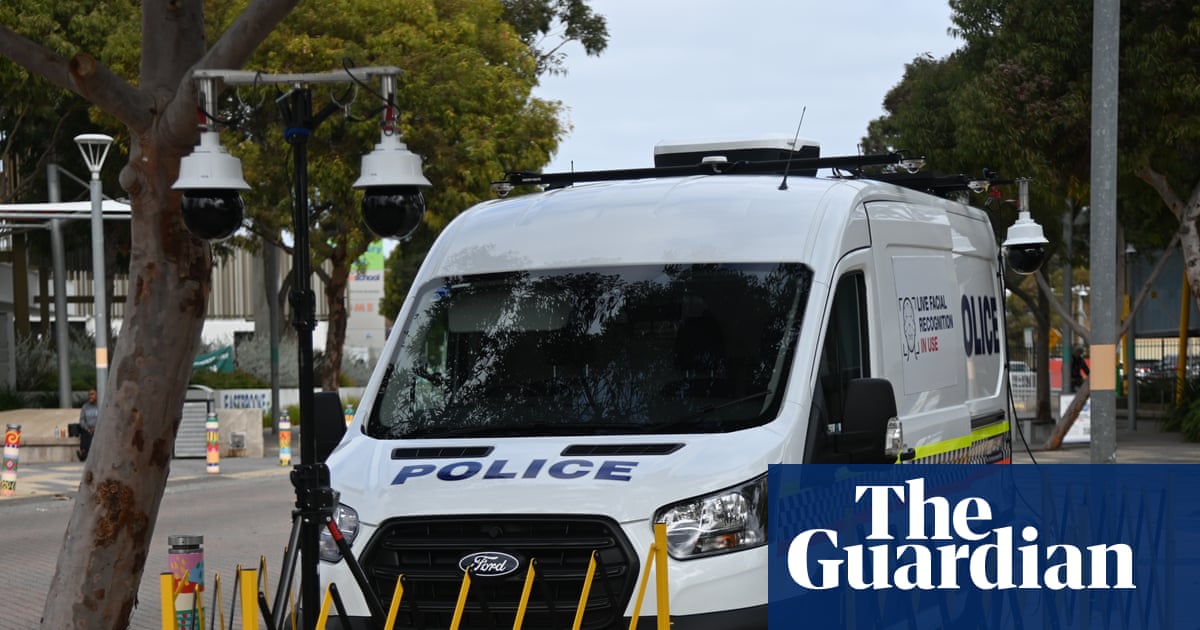
Police use facial recognition to scan one million faces in WA trial leading to 122 arrests
The Watchmen's Summary
Western Australia’s five-month real-time facial-recognition trial scanned 1,380,882 faces across 100 deployments and produced 122 arrests, 146 interactions with registered sex offenders, and 10 welfare checks. Police reported nine incorrect alerts, an error rate of 0.00065%, while civil-liberties advocates argued that the figure does not account for arrests that may not lead to convictions. Privacy officials had warned of collective harms, and concerns remain about bias against marginalized groups. Police have removed the surveillance vans pending an internal evaluation of safeguards and community impact.
Biblical Context
The use of facial recognition by police places legitimate public authority alongside the biblical demand for just, impartial, and accountable enforcement. Romans 13:1–4 recognizes government’s responsibility to restrain wrongdoing and protect the public, but it describes authority as a servant for the good, not as an unlimited license for surveillance. That principle supports examining whether the technology actually identifies genuine threats and whether officers use it proportionately. The nine false alerts and the uncertainty surrounding the 122 arrests also raise questions of impartial judgment and false accusation. Leviticus 19:15 commands judges not to show partiality and to judge fairly, while verses 16 warns against conduct that endangers another person through irresponsible testimony. Proverbs 17:15 condemns both acquitting the guilty and condemning the innocent. These passages do not address facial-recognition systems directly, but they provide a meaningful standard for evaluating automated identification: authorities should not treat a machine-generated match as conclusive, and those affected should receive fair treatment rather than suspicion based solely on an imperfect alert. The article reports concerns about privacy, bias, and the treatment of people who are scanned without reasonable suspicion. Scripture does not establish a modern privacy law or prescribe a particular surveillance technology, so the biblical connection remains principled rather than technological. Nor does this trial present the distinctive elements of a specific end-times prophecy. It involves public surveillance and possible abuses of authority, but there is no reported religious persecution, universal coercive system, or identifiable prophetic event.
Watchmen Signals
Western Australia’s police trial scanned more than 1.38 million faces, generated false alerts, and prompted concerns about impartial treatment, privacy, and unchecked official power. Scripture does not address facial-recognition technology itself, but its commands concerning just authority, fair judgment, and avoiding harm to the innocent directly inform how such policing should be evaluated.
Mass facial scanning may invite broad comparisons with coercive control, but the reported trial does not establish a particular prophetic pattern. No religious persecution, universal economic restriction, or clearly identifiable end-times system is present, so Scripture does not support treating this development as prophetic fulfillment.
The five-month trial has ended, but authorities are evaluating its community impact and whether safeguards were followed before deciding on future use. That ongoing review warrants attention, though there is no immediate emergency requiring urgent notification.
Biblical Sources
Scripture references supporting the biblical context above.
These commands require impartial judgment and prohibit conduct that can unjustly harm another person, principles relevant to false alerts, algorithmic bias, and encounters based on unverified identification.
The proverb condemns both acquitting the guilty and condemning the innocent, supporting caution against treating an automated facial match as sufficient proof of wrongdoing.
Paul describes governing authorities as responsible for restraining wrongdoing and serving the good, providing a framework for assessing whether police surveillance is used lawfully, proportionately, and for public protection.
Comments
No comments yet.
Sign in to join the conversation.
Sign InStay Informed. Grow in Biblical Understanding.
Explore important news from around the world through the context of God's Word. Create your FREE Watchmen account to discover more news analysis, Biblical Insights, and Scripture-based perspectives.
Create Your FREE AccountFree to join. No credit card required.