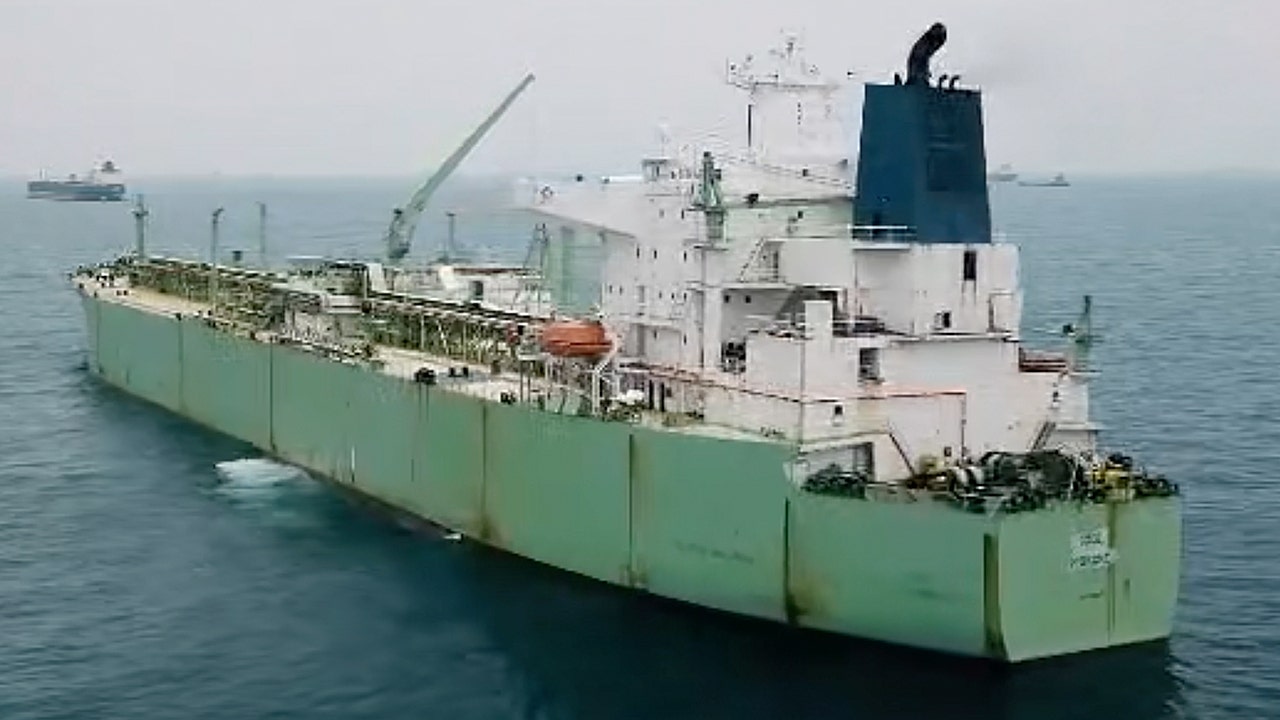
Iranian ‘ghost fleet’ filmed evading US blockade en route to China, UANI says
The Watchmen's Summary
U.S. investigators say small Iranian tankers are evading a maritime blockade and moving sanctioned LPG toward China through Malaysia’s Eastern Outer Port Limits Anchorage. United Against Nuclear Iran filmed the tanker SOGL receiving offshore services after allegedly departing Iran with about 500,000 barrels of LPG, before continuing to China. UANI says at least nine similar vessels have escaped since the blockade was reinstated July 14. The operation reportedly relies on AIS shutdowns, false flags, ship-to-ship transfers, and offshore storage, while China remains Iran’s principal energy customer.
Biblical Context
The alleged use of false flags, concealed ownership, and deceptive shipping practices connects naturally with Scripture’s condemnation of dishonest commercial dealings. Proverbs 11:1 condemns false weights and emphasizes that dishonest trade is morally objectionable, while Amos 8:4-6 criticizes merchants who manipulate commerce and exploit economic systems for gain. These passages do not address sanctions or maritime smuggling specifically, but they illuminate the ethical problem of disguising transactions and profiting through deceit. Government enforcement and the responsibility of authorities are also relevant. Romans 13:1-4 describes civil authorities as accountable to God for restraining wrongdoing and pursuing justice. Applied cautiously, the passage provides a principle for considering the U.S. effort to enforce sanctions, as well as the responsibility of other jurisdictions not to become permissive environments for unlawful or deceptive trade. It does not settle the legality or wisdom of this particular blockade, and Scripture does not automatically endorse every government policy. The article also raises questions about the effects of economic pressure on populations, although it supplies little direct evidence about civilian conditions. Scripture repeatedly requires justice and concern for vulnerable people, including Proverbs 31:8-9, which calls for defending those who cannot defend themselves. That principle cautions policymakers and observers to consider consequences beyond pressure on a government or revenue stream. None of these passages identifies the reported activity as a fulfillment of prophecy; the facts describe sanctions evasion and international trade, not the distinctive coalition or conflict required for a responsible prophetic claim.
Watchmen Signals
Iranian tankers allegedly using false identities, concealed ownership, and offshore transfers raise the biblical concerns of honest dealings, justice, and the proper responsibility of authorities. Scripture does not address modern sanctions or maritime logistics directly, but its teaching speaks meaningfully to the deception, enforcement, and potential human consequences described here.
The reported tanker movements, sanctions evasion, and China-Iran energy trade do not correspond to a specific prophetic event with enough distinctive detail to support a responsible comparison. Their location in the Persian Gulf and connection to Iran do not, by themselves, identify the coalition, invasion, or opposition involving Israel described in passages such as Ezekiel 38.
Investigators have documented continuing breaches of the reinstated blockade, with at least nine tankers reportedly reaching offshore transfer points and China. The situation warrants close monitoring, but the limited scale and absence of a newly reported military escalation do not require an urgent alert.
Biblical Sources
Scripture references supporting the biblical context above.
Amos condemns merchants who manipulate trade and pursue profit through dishonest practices, providing a broader moral parallel to alleged sanctions evasion and concealed maritime commerce.
The passage condemns dishonest commercial measurement and supports the ethical concern raised by alleged false flags, concealed ownership, and deceptive transactions.
The passage calls for defending vulnerable people and pursuing justice, a relevant caution when evaluating the possible effects of economic pressure on ordinary citizens.
Paul describes civil authorities as accountable for restraining wrongdoing and pursuing justice, relevant to the responsibilities of U.S. enforcement and jurisdictions hosting disputed maritime activity.
Comments
No comments yet.
Sign in to join the conversation.
Sign InStay Informed. Grow in Biblical Understanding.
Explore important news from around the world through the context of God's Word. Create your FREE Watchmen account to discover more news analysis, Biblical Insights, and Scripture-based perspectives.
Create Your FREE AccountFree to join. No credit card required.