Will Democrats block the stock trading ban again after the midterm elections?
The Watchmen's Summary
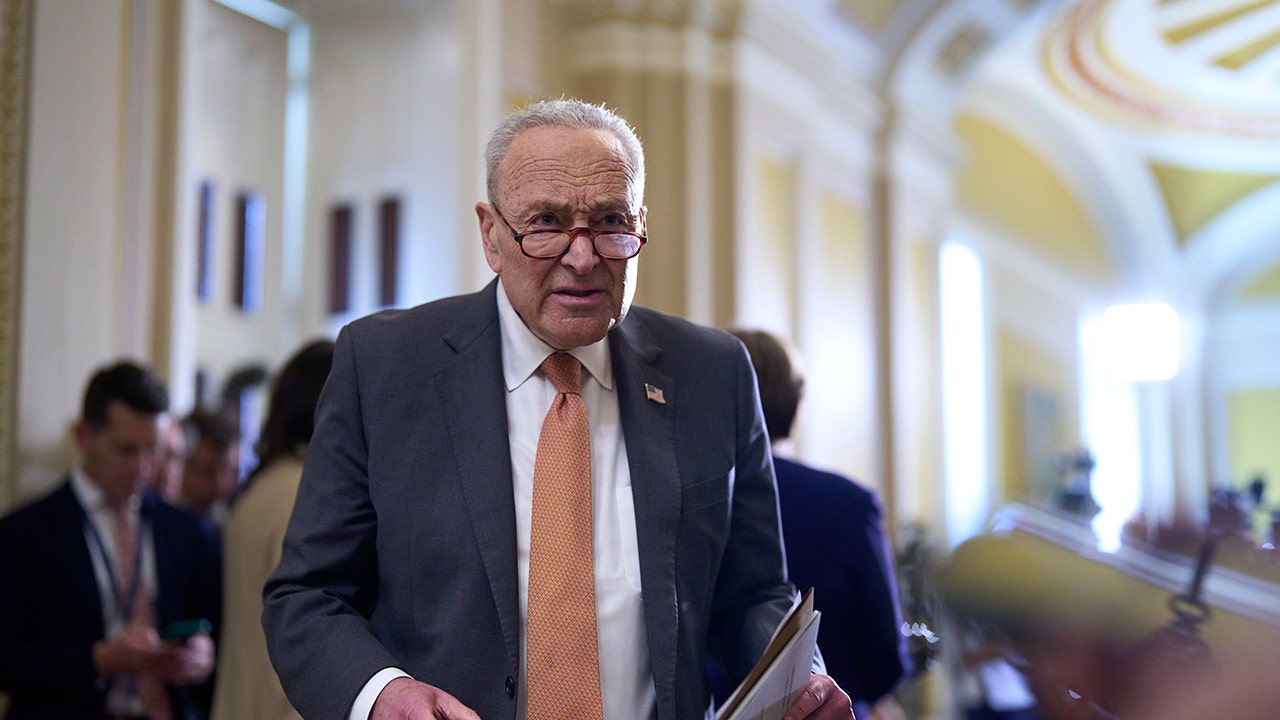
The Senate rejected the Stop Insider Trading Act on Sept. 30 after the House had approved it with Democratic support. The proposal would have barred members of Congress, their spouses, and dependent children from buying new publicly traded stocks while in office and required advance notice of sales. Democrats, led by Minority Leader Chuck Schumer, argued that the bill contained voter-identification provisions and other “poison pills.” The article also cites a CNBC poll showing corruption was voters’ top concern and revisits scrutiny of trades linked to Nancy Pelosi’s household.
Biblical Context
Public officials who make or influence rules are accountable to standards of impartiality, honesty, and justice. Exodus 23:8 and Deuteronomy 16:19 prohibit bribes and warn that partiality can distort judgment; those principles speak directly to concerns about lawmakers having financial interests affected by their official decisions. Micah 3:11 criticizes rulers and leaders who pursue personal gain while claiming to administer justice, providing a particularly relevant parallel to allegations that political power and private enrichment can become intertwined. These passages establish moral standards for public leadership, not a specific biblical rule about congressional stock ownership or a required modern legislative remedy. They also do not determine whether the transactions described in the article were illegal. The connection is therefore to the article’s concerns about conflicts of interest, dishonest gain, and public trust rather than to a specific prophecy or prediction about the Senate vote.
Watchmen Signals
Congressional officials making rules that can affect companies and markets face the same basic ethical question Scripture raises for rulers and judges: whether personal financial interests distort the pursuit of justice. Exodus 23:8, Deuteronomy 16:19, and Micah 3:11 address bribery, partiality, and leaders who seek gain, although they do not prescribe a specific congressional stock-trading law or establish that the transactions described were unlawful.
The Senate vote, the polling data, and the allegations surrounding congressional stock trades do not correspond to a particular biblical prophecy or distinctive prophetic pattern. They raise moral and governmental concerns addressed by Scripture, but the supplied facts provide no basis for describing the vote as prophetic fulfillment.
The vote has already occurred, and Congress is not facing an immediate emergency or rapidly unfolding consequence. The remaining possibility of reconsideration during a future lame-duck session makes this a matter for monitoring rather than prompt notification.
Biblical Sources
Scripture references supporting the biblical context above.
This instruction forbids partiality and bribes in the administration of justice, supporting the expectation that public decisions should not be distorted by personal financial interests.
The prohibition on bribes reflects the danger that financial incentives can corrupt judgment, relating to concerns about lawmakers’ personal investments and official decisions.
Micah condemns leaders who exercise authority while pursuing personal gain, providing a direct moral parallel to allegations of corruption among public officials.
Comments
No comments yet.
Sign in to join the conversation.
Sign InStay Informed. Grow in Biblical Understanding.
Explore important news from around the world through the context of God's Word. Create your FREE Watchmen account to discover more news analysis, Biblical Insights, and Scripture-based perspectives.
Create Your FREE AccountFree to join. No credit card required.