Biblical-era dye factory in Israel found to also produce olive oil, textiles
The Watchmen's Summary
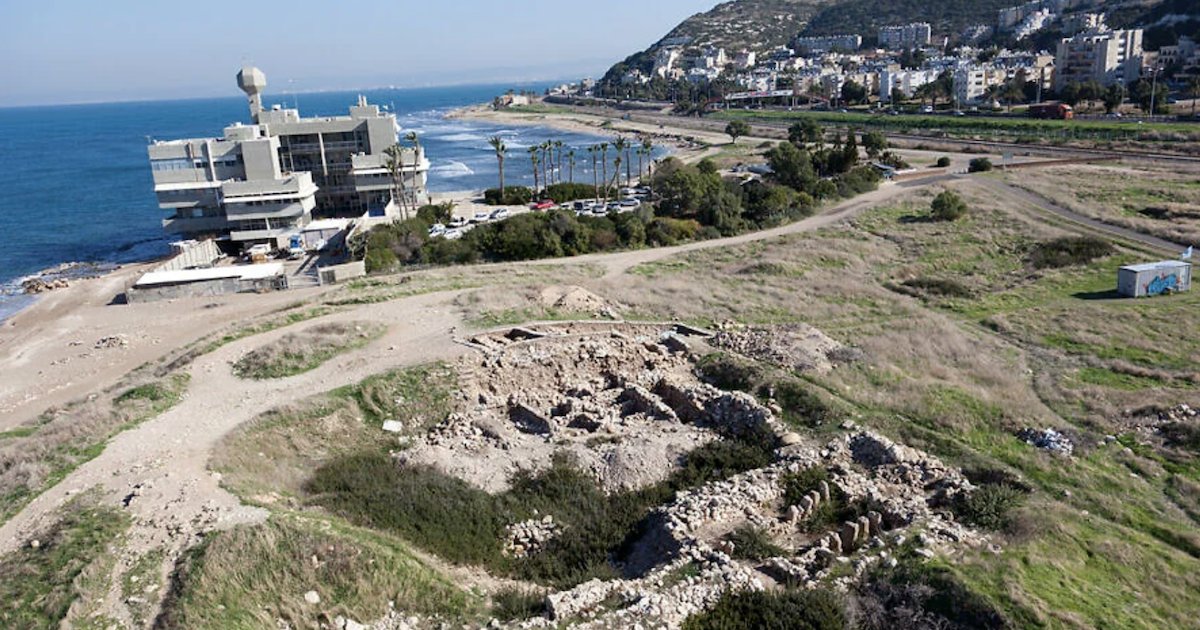
New research published in PLOS One indicates that Tel Shiqmona, an Iron Age industrial center near modern Haifa, supported more than the production of valuable blue and purple dyes. Soil analysis from layers dated to approximately 790–740 BC suggests that olive-oil pressing, textile production, livestock sheltering and other agricultural activities occurred there seasonally. The site, developed by the northern Kingdom of Israel, contained at least 16 dyeing vats and may have exported its products to surrounding regions during the reign of King Jeroboam II.
Biblical Context
Tel Shiqmona’s proposed operation during the reign of Jeroboam II connects the archaeological findings to a period explicitly recorded in the history of the northern Kingdom of Israel. Second Kings identifies Jeroboam II as king of Israel and describes the extent and circumstances of his reign (2 Kings 14:23–29). That passage does not mention Tel Shiqmona or dye production, so the archaeological identification remains separate from the biblical account, but it provides material context for the kingdom’s economy and territorial world. The reported blue and purple dyes also have a direct cultural connection to the materials prescribed for Israel’s priestly garments. Exodus 28:5–6 lists blue, purple and scarlet yarn, fine linen and gold among the materials used for the ephod. This supports the article’s description of such colors as associated with priestly clothing, although Scripture does not identify Tel Shiqmona as their source. The archaeological evidence may illuminate the production and availability of these materials in the biblical-era region, but it does not prove that Shiqmona supplied the First Temple or any particular priestly garment. No specific prophetic passage is meaningfully connected to the reported discoveries. The evidence concerns ancient industry, seasonal resource use and material culture; references to Israel, priests and the First Temple provide historical context rather than evidence of prophetic fulfillment.
Watchmen Signals
King Jeroboam II’s reign and the northern Kingdom of Israel are directly represented in Scripture, while Exodus identifies blue and purple materials as part of priestly clothing. Tel Shiqmona’s industry therefore offers archaeological context for the economy, technology and material culture of a biblical-era kingdom, although Scripture does not name the site or confirm that it supplied the First Temple.
The discoveries concern an ancient production center, seasonal agriculture, trade and materials associated with priestly clothing. Scripture records these historical subjects and garments, but the reported evidence does not correspond to a specific future prophecy or demonstrate prophetic fulfillment.
The findings come from a published archaeological study of an ancient site and do not involve a rapidly changing event or any need for immediate reader action.
Biblical Sources
Scripture references supporting the biblical context above.
This passage records the reign of Jeroboam II over Israel, the period in which the study dates the analyzed Tel Shiqmona layers. It supplies historical biblical context for the northern kingdom, though it does not mention the site or its industries.
These verses name blue, purple and scarlet materials among the components of the priestly ephod. They directly support the connection between the dyes described at Tel Shiqmona and the colors used in Israelite priestly garments, without establishing that the site supplied the tabernacle or Temple.
Comments
No comments yet.
Sign in to join the conversation.
Sign InStay Informed. Grow in Biblical Understanding.
Explore important news from around the world through the context of God's Word. Create your FREE Watchmen account to discover more news analysis, Biblical Insights, and Scripture-based perspectives.
Create Your FREE AccountFree to join. No credit card required.