Foreign interference probe poses no danger to Israel's election results, says Shin Bet, election committee
The Watchmen's Summary
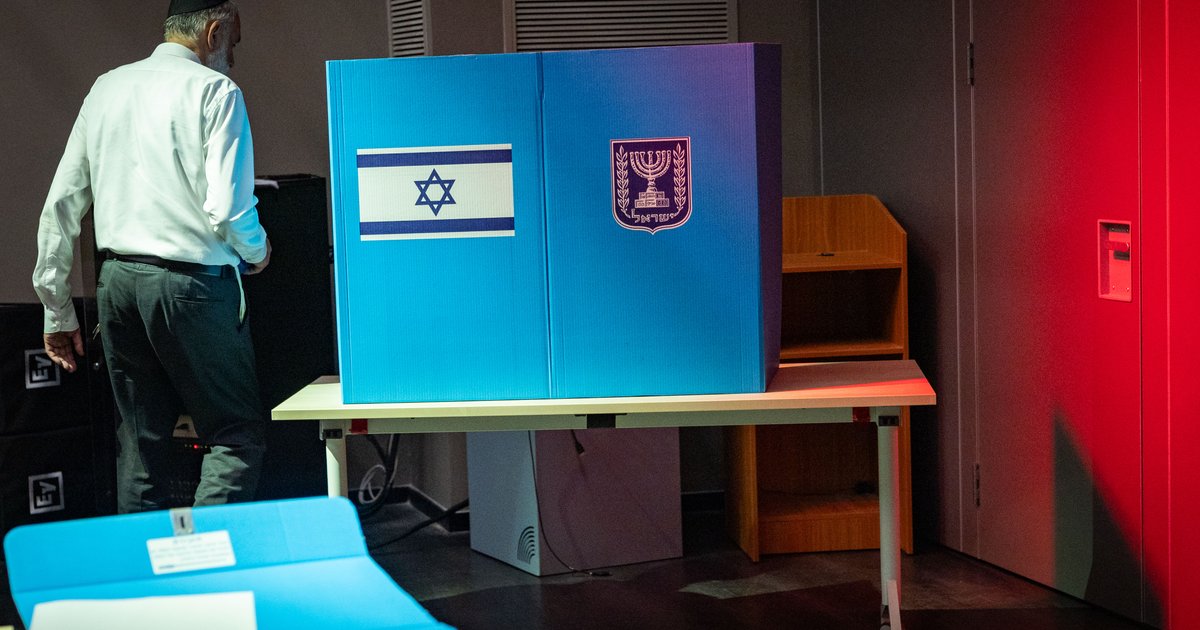
Israel’s Shin Bet and Central Elections Committee said an investigation into alleged foreign funding, improper influence, and possible voter bribery is limited and will not threaten the certified election results. The inquiry followed the arrests of three Negev residents suspected of offering cash for votes for the Ra’am party. Political leaders nevertheless traded accusations, with Likud calling the election “stolen” and opponents accusing Netanyahu’s bloc of exploiting unverified allegations to delegitimize the results. Authorities said only individually proven illegal votes could be invalidated.
Biblical Context
Bribery and the manipulation of public decisions are directly addressed in Scripture. Exodus 23:8 and Deuteronomy 16:19 prohibit taking bribes because they distort judgment and undermine impartial justice; those principles bear directly on allegations that voters were offered cash and on demands that any investigation be conducted without political favoritism. Proverbs 17:23 likewise warns that a bribe can corrupt a decision-maker, though the passage is wisdom literature rather than a specific rule about modern elections. The article also reports efforts to portray an entire Arab sector as a threat and calls to disregard election results before the investigation is complete. Leviticus 19:15 requires impartial judgment, while James 2:1-4 condemns showing partiality based on social standing. These passages do not prescribe Israel’s electoral system, but they support caution against collective stigma and against treating allegations involving some individuals as proof of guilt by community. Romans 13:1-4 presents governing authority as accountable to God for restraining wrongdoing and pursuing justice. It can illuminate the responsibility of election officials, police, intelligence services, and political leaders to act lawfully and truthfully. Scripture does not identify this investigation as a fulfillment of a particular prophecy, and the supplied facts do not establish such a connection.
Watchmen Signals
Allegations that voters were offered cash, claims that foreign actors influenced an election, and demands to stigmatize Arab parties all raise concerns Scripture addresses through its teaching on bribes, impartial judgment, truthful accusations, and accountable government. These passages provide principles for evaluating the conduct described, but they do not directly prescribe Israel’s modern electoral procedures.
The investigation, political accusations, and uncertainty surrounding alleged foreign influence do not correspond with sufficient specificity to a particular biblical prophecy. Israel’s involvement and the dispute over election legitimacy are not, by themselves, evidence that a prophetic event is being fulfilled.
The investigation and political dispute are unfolding ahead of the certification of Israel’s election results and could affect individual votes or coalition negotiations. Authorities currently say the results remain on schedule, so the situation warrants monitoring rather than immediate notification.
Biblical Sources
Scripture references supporting the biblical context above.
This passage forbids perverting justice, showing partiality, and accepting bribes; those principles relate to alleged vote-buying and the demand for an unbiased election investigation.
The command not to accept a bribe supports the concern that cash offered to influence voting could corrupt judgment and public decision-making.
James condemns partiality based on social distinctions; this provides a broader New Testament principle relevant to efforts to stigmatize Arab citizens or parties collectively.
The command to judge fairly and not show partiality supports equal treatment of voters and caution against condemning an entire community because of allegations involving particular suspects.
The proverb warns that a hidden bribe can distort justice, providing a relevant biblical warning about improper financial influence.
Paul describes governing authority as accountable for punishing wrongdoing and promoting order, illuminating the responsibilities of officials handling election allegations and certified results.
Comments
No comments yet.
Sign in to join the conversation.
Sign InStay Informed. Grow in Biblical Understanding.
Explore important news from around the world through the context of God's Word. Create your FREE Watchmen account to discover more news analysis, Biblical Insights, and Scripture-based perspectives.
Create Your FREE AccountFree to join. No credit card required.