Politicians are letting AI write speeches and laws without telling voters, study says
Summary
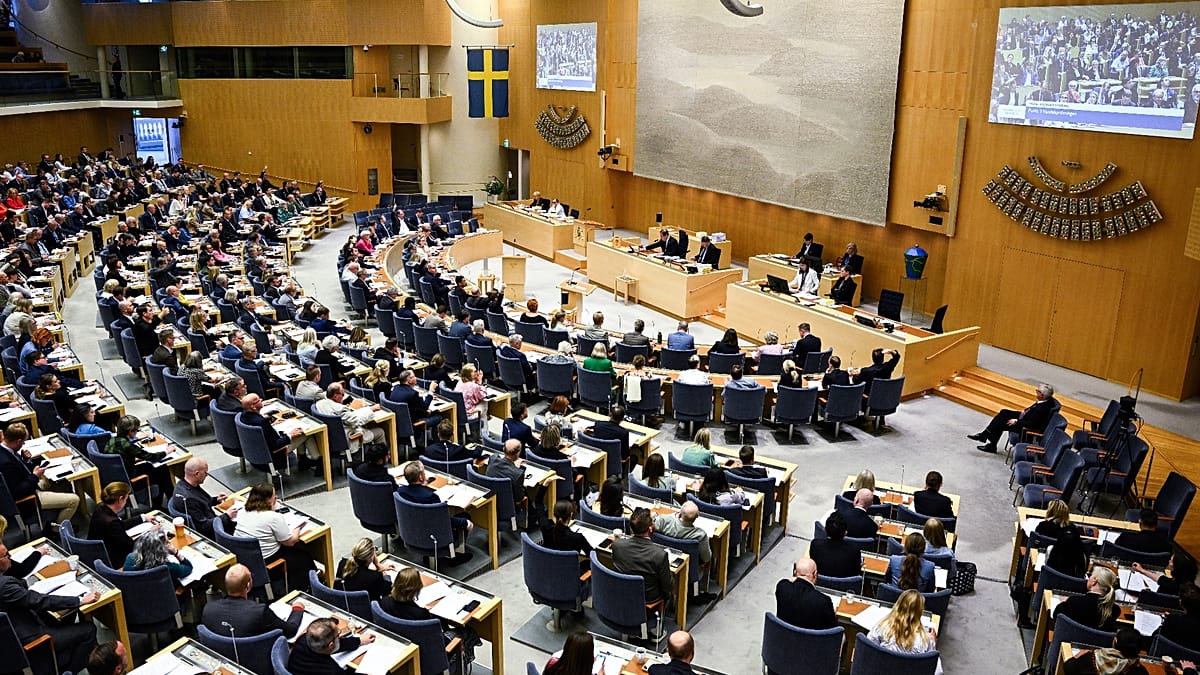
A study by researchers from Chalmers University of Technology and Edinburgh Napier University found a sharp increase in parliamentary texts in Sweden and the UK that were classified as containing possible AI-generated or AI-assisted writing. The researchers examined 13,565 Swedish parliamentary motions and 4,209 UK parliamentary statements published between 2021 and April 2026. They reported that approximately 15% of UK statements analyzed in 2026 contained at least one paragraph classified as AI-generated. In Sweden, 9.4% of motions during the 2025–2026 parliamentary year—about 300 motions—contained at least one paragraph classified as AI-assisted. When entire documents were assessed, 6.5% of Swedish motions and 2.1% of British texts were classified as AI-generated during the latest periods studied. The study found no disclosure of AI use in the texts identified. The researchers emphasized that their systems detect likely AI involvement but cannot determine which tool was used or how it contributed to drafting. Swedish MP Jan Riise said his party uses AI for research and supports labeling its use, while Prime Minister Ulf Kristersson has said he uses ChatGPT and LeChat for political “second opinions,” without entering security-sensitive information. Researchers are calling for greater transparency because persuasive AI-assisted writing may conceal errors.
Watchmen Signals
Biblical Context
The article raises a legitimate biblical theme concerning truthfulness, transparency, and responsibility in public communication. Scripture teaches people to speak truthfully and to avoid deception, principles that can reasonably apply when public officials present legislative language to citizens or colleagues. It also supports careful responsibility for the consequences of one’s words. However, the Bible does not specifically address generative AI, parliamentary drafting, or disclosure rules for AI assistance. The connection is therefore ethical and thematic rather than a direct statement about this technology.
Biblical Sources
Scripture references supporting the biblical context above.
Paul instructs believers to put away falsehood and speak truthfully to one another. This provides a broad ethical principle relevant to transparency about authorship or AI assistance in public texts.
Jesus teaches that responsibility is related to what a person knows and has been entrusted with. The principle can be applied broadly to elected officials’ responsibility for texts issued under their authority, though it does not specifically address AI.
The verse commends truthful speech and condemns lying, offering a general biblical standard relevant to honest public communication and disclosure.
Comments
No comments yet.
Sign in to join the conversation.
Sign In