California dad of 5 says charter school rejected books that even mentioned God, 'Publisher blacklist'
The Watchmen's Summary
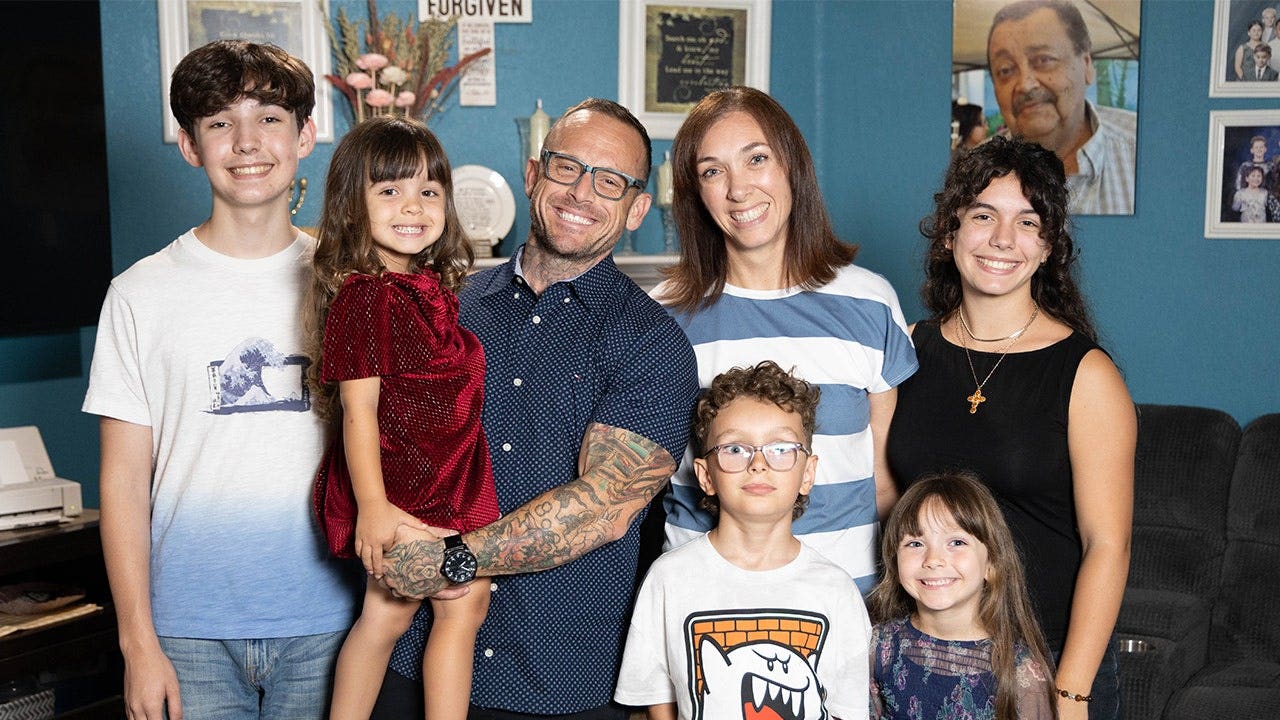
California father John Woolard says a public charter school program that supports homeschooling rejected curriculum purchases because the materials mentioned God, faith, or the religious views of America’s Founding Fathers. Woolard says officials acknowledged the books met state academic standards but objected to their religious content, forcing his family to buy them privately. Represented by First Liberty Institute, the family is asking the Supreme Court to review an unfavorable lower-court decision. California’s Department of Education declined comment because the litigation is pending.
Biblical Context
Parents’ responsibility to teach their children is directly relevant to a dispute over a family’s ability to choose educational materials. Deuteronomy 6:6-7 instructs Israelite parents to keep God’s commands before their children and teach them diligently in ordinary life. The passage does not establish a modern legal entitlement to public funding, but it explains why families may regard faith-informed education as a serious parental duty rather than merely a private preference. The reported allegation that academically qualified materials were rejected because they referred to God also raises the biblical concern of impartial treatment. James 2:1-9 condemns showing partiality and connects impartial conduct with the command to love one’s neighbor. Deuteronomy 16:19 likewise warns judges not to pervert justice or show partiality. These passages do not resolve the constitutional case, and the article does not independently establish that unlawful discrimination occurred; they provide moral principles for evaluating whether civil authorities are applying educational rules fairly. The dispute therefore has a genuine biblical connection through parental responsibility, religious liberty, and just treatment, but no specific prophetic passage is identified. The facts describe pending litigation over a government education program, not a recognizable fulfillment of biblical prophecy.
Watchmen Signals
John and his wife say their publicly supported homeschooling program rejected academically qualified materials because they mentioned God or faith, leaving the family to pay privately. Parents’ duty to teach their children and Scripture’s warnings against partiality provide a meaningful framework for considering religious liberty and equal treatment, although the biblical passages do not determine the legal outcome or establish that the allegations have been proven.
The pending California education lawsuit does not correspond to a particular biblical prophecy or distinctive prophetic pattern. It raises questions about religious freedom and governmental fairness, but those concerns should not be presented as evidence that a prophecy is being fulfilled.
The Supreme Court is considering whether to review the case, with a decision expected in the coming months. That makes the issue worth monitoring, but it does not require immediate notification.
Biblical Sources
Scripture references supporting the biblical context above.
Moses commands parents to keep God’s words in their hearts and teach them diligently to their children. This directly illuminates the Woolard family’s effort to include faith-informed materials in their children’s education, while not deciding whether public funds must support those choices.
This instruction forbids perverting justice and showing partiality in judgment. It is relevant as a broader biblical standard for fair administration by authorities, though it does not specifically address modern charter-school funding or constitutional law.
James condemns partiality and identifies impartial treatment as consistent with the command to love one’s neighbor. The passage supplies a moral framework for examining whether families seeking faith-based education are treated differently because of religious content.
Comments
No comments yet.
Sign in to join the conversation.
Sign InStay Informed. Grow in Biblical Understanding.
Explore important news from around the world through the context of God's Word. Create your FREE Watchmen account to discover more news analysis, Biblical Insights, and Scripture-based perspectives.
Create Your FREE AccountFree to join. No credit card required.