Podcast: Deepfakes threaten election trust as AI-generated ads surge
Summary
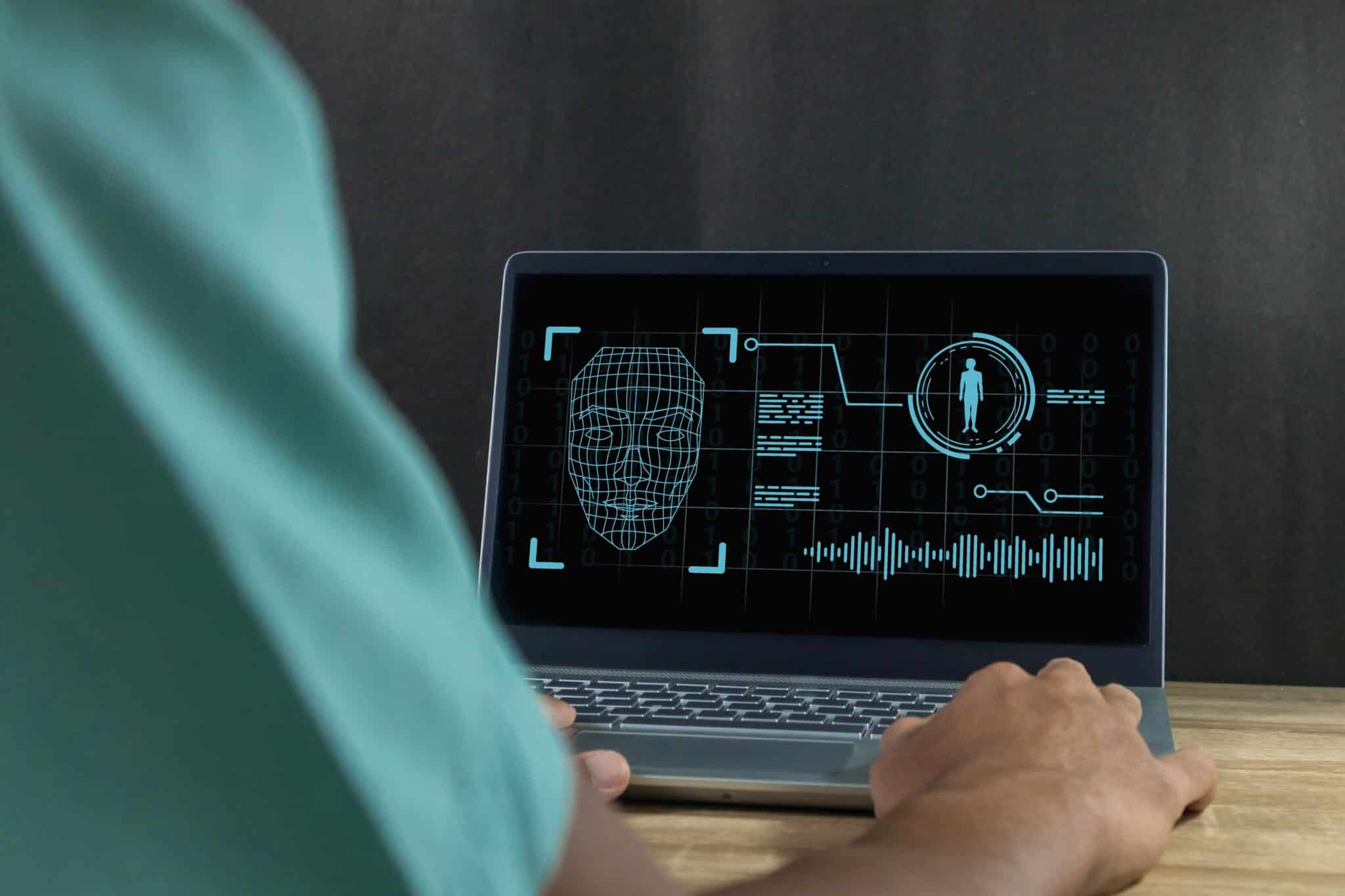
AI-generated political advertising and deepfake fraud are expanding rapidly, according to research cited by Pindrop CEO Vijay Balasubramaniyan. The article says more than $137 million was spent on ads using AI during the 2026 election cycle, compared with under $50,000 identified in 2024. A Washington, D.C., Deepfake Summit also cited an estimated $3.7 billion in global deepfake-fraud losses during the first half of 2026. Experts warn that voters and the public increasingly need independent verification of digital audio, video, and interactions.
Watchmen Signals
Fabricated political messages and deepfake fraud place truthfulness, false testimony, and public judgment under pressure. Scripture directly addresses lying and the duty to examine claims, although it does not discuss artificial intelligence or digital election advertising specifically.
The reported growth of deepfakes can be compared broadly with biblical warnings about deception, but no particular prophetic passage describes this technology, election trend, or fraud pattern with enough specificity to establish a prophetic connection.
Deepfake use and associated losses are increasing, with election campaigns already facing a growing volume of AI-generated material. However, the coverage describes an evolving threat and proposed responses rather than a single immediate crisis requiring urgent notification.
Biblical Context
False testimony and deliberate deception are directly condemned in Scripture, making the use of fabricated audio, video, or political messages ethically significant. Exodus 20:16 forbids bearing false witness, while Proverbs 12:22 contrasts lying lips with those who act faithfully. Those principles apply to people who create or knowingly distribute deceptive material, though the passages do not address synthetic media or election technology specifically. The warning to test and examine claims in 1 Thessalonians 5:21 also supports the article’s call for independent verification. This is a moral and discernment connection, not evidence that the reported developments fulfill a specific prophecy.
Biblical Sources
Scripture references supporting the biblical context above.
Paul’s instruction to test everything supports careful examination and independent verification rather than accepting digital audio, video, or political claims at face value.
The command against bearing false witness establishes a direct biblical prohibition relevant to fabricated or misleading representations used against other people, including deceptive political content.
The proverb condemns lying and commends faithfulness, illuminating the ethical responsibility of those who create, deploy, or knowingly spread deceptive digital media.
Comments
No comments yet.
Sign in to join the conversation.
Sign InStay Informed. Grow in Biblical Understanding.
Explore important news from around the world through the context of God's Word. Create your FREE Watchmen account to discover more news analysis, Biblical Insights, and Scripture-based perspectives.
Create Your FREE AccountFree to join. No credit card required.