Qatari Mediators Return to Tehran Amid Threat of New U.S. Strikes
Summary
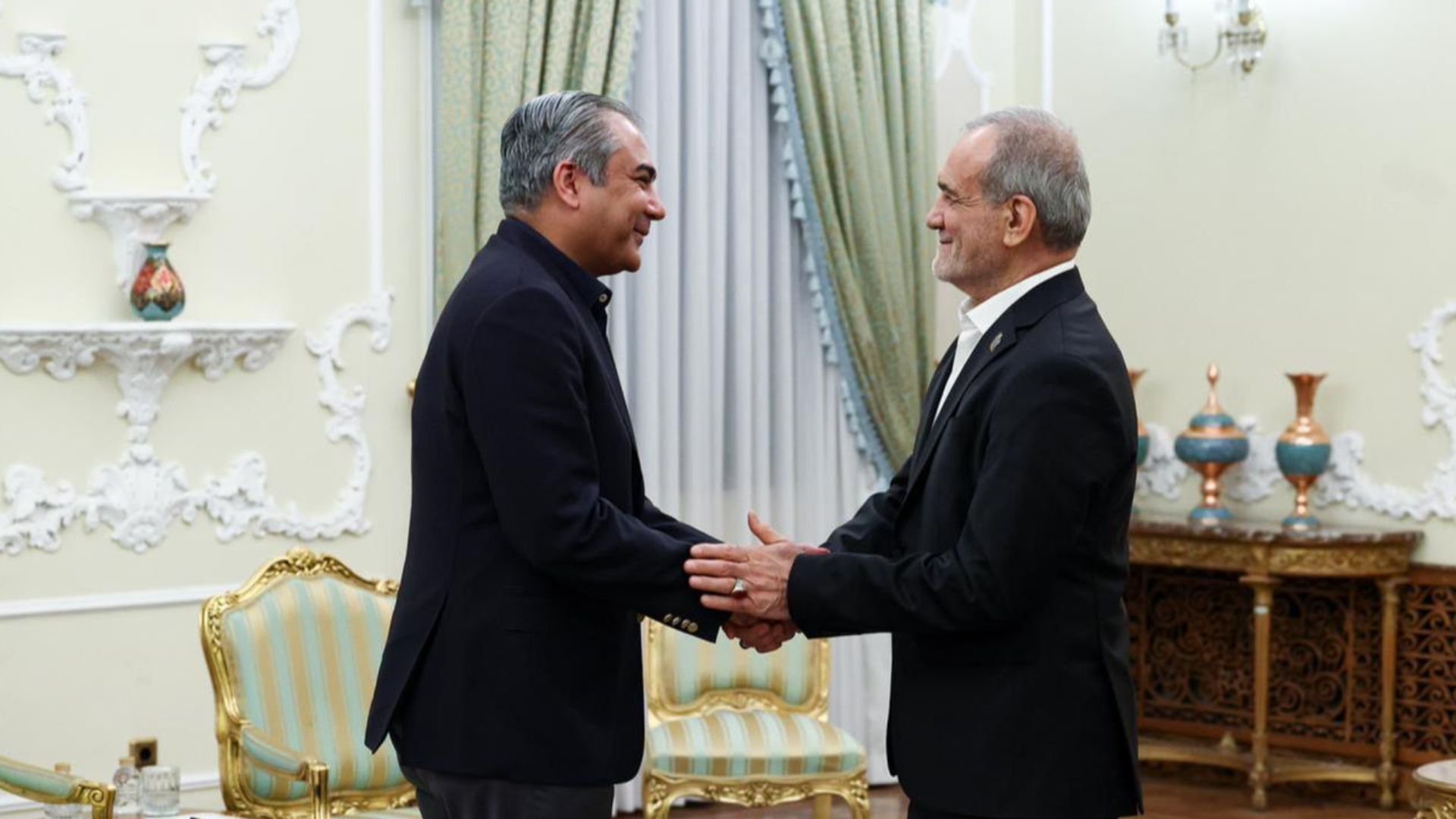
Qatari mediators returned to Tehran on Friday to meet senior Iranian officials as efforts continue to end the war involving Iran, the United States, and Israel. The visit follows Iran’s acknowledgment that it received a message from U.S. Vice President JD Vance. Qatar and Pakistan have pursued mediation, although an Iranian official previously rejected Doha’s proposals. Diplomats also say Washington has warned regional allies to prepare for possible renewed military action after next week’s midterm elections. No agreement has been announced.
Watchmen Signals
Qatari and Pakistani mediation seeks to end a war involving Iran, the United States, and Israel, while diplomats warn that military action could resume. Scripture directly addresses the pursuit of peace, the conduct of rulers, and the destructive sources of conflict, although these passages do not validate any particular diplomatic proposal or explain the war’s outcome.
The reported facts show mediation, an exchanged message, and warnings of possible renewed action, but they do not establish the distinctive coalition, invasion, territorial development, or other features of a particular biblical prophecy. Israel’s involvement and the broader Middle Eastern setting create general thematic interest, not evidence of prophetic fulfillment.
Diplomatic contacts are continuing and regional officials are preparing for the possibility of renewed military action, but no new attack or immediate escalation is reported. The situation warrants monitoring rather than urgent notification.
Biblical Context
Diplomatic efforts to end a war fit Scripture’s positive treatment of peacemaking, even though the passage of Matthew 5:9 does not endorse any particular government or negotiation. Jesus blesses those who pursue peace, making the mediators’ work a legitimate point of comparison while leaving the success and justice of the negotiations unresolved. Romans 12:18 urges believers, insofar as it depends on them, to live peaceably with others. Applied cautiously to international affairs, the principle supports seeking peaceful resolution rather than treating renewed military action as inevitable. First Timothy 2:1-2 also calls Christians to pray for rulers and those in authority so that societies may experience peaceful and godly conditions; it is relevant to the decisions facing American, Iranian, Israeli, Qatari, and Pakistani leaders. Scripture also recognizes that human conflict can arise from disordered desires and rivalries, as James 4:1-2 explains. That passage offers moral insight into the persistence of war, but it does not identify this particular conflict as a fulfillment of prophecy. The reported facts establish ongoing mediation and warnings of possible escalation, not the distinctive coalition, invasion, or other features required for a specific prophetic conclusion.
Biblical Sources
Scripture references supporting the biblical context above.
The passage calls for prayer for kings and authorities so that people may live peaceful and orderly lives, fitting the high-stakes decisions facing the governments involved.
James describes conflicts as arising from sinful desires and rivalries, offering relevant moral context for the persistence of war without identifying this event as prophetic fulfillment.
Jesus blesses peacemakers, providing a direct biblical principle for evaluating diplomatic efforts intended to end the war.
Paul urges peace with others wherever possible; this supports the value of pursuing negotiations while not determining whether the proposed settlement is just or successful.
Comments
No comments yet.
Sign in to join the conversation.
Sign InStay Informed. Grow in Biblical Understanding.
Explore important news from around the world through the context of God's Word. Create your FREE Watchmen account to discover more news analysis, Biblical Insights, and Scripture-based perspectives.
Create Your FREE AccountFree to join. No credit card required.