Unhinged judge who called Latino attorney a 'White savior' ordered to undergo psychiatric examination
Summary
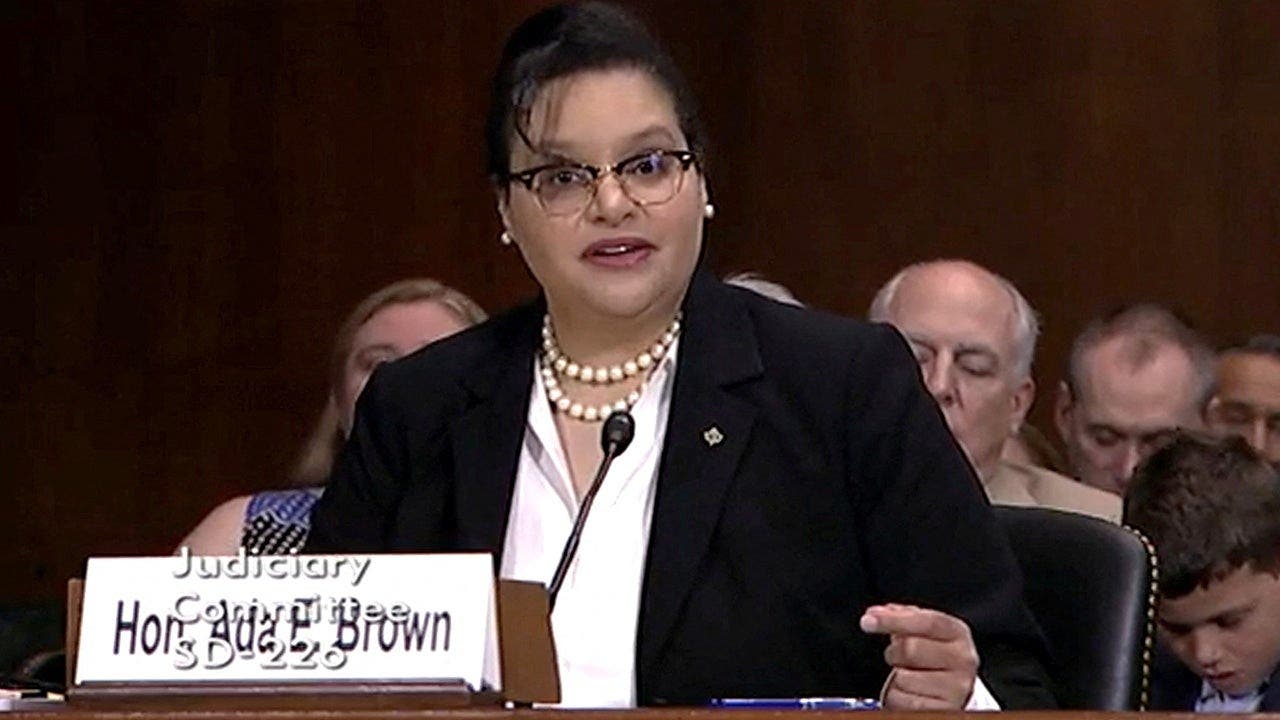
U.S. District Judge Ada Brown of the Northern District of Texas was temporarily removed from her docket and ordered to undergo a psychiatric examination amid a judicial-misconduct investigation. The inquiry followed a complaint by attorney Ezra Young, who alleges Brown used racially charged and demeaning language toward him during an April hearing. Brown called him a “White savior” intimidated by “Black excellence” and criticized his conduct in a case involving alleged discrimination against a Black law professor. Brown has defended her behavior while acknowledging the importance of public confidence in the judiciary.
Watchmen Signals
A federal judge has been removed from her docket amid allegations that she used race-focused and demeaning language toward an attorney during a hearing. Scripture directly calls judges to reject partiality, pursue justice, and exercise authority responsibly, while the unresolved investigation requires distinguishing accusations from established findings.
The investigation, judicial reassignment, and allegations of racial rhetoric do not correspond to a specific biblical prophecy or distinctive prophetic pattern. Scripture offers standards for justice and accountability here, but the reported events do not establish prophetic fulfillment.
The misconduct investigation remains active, with the judge temporarily removed from her docket and newly released hearing transcripts adding detail to the allegations. It warrants continued attention but does not describe an immediate emergency or rapidly escalating threat.
Biblical Context
A judge’s responsibility to administer justice without favoritism or intimidation is directly addressed in Scripture. Deuteronomy 16:18-20 instructs judges to judge fairly, reject partiality, and pursue justice. Leviticus 19:15 likewise forbids both favoring the poor and showing deference to the great, requiring impartial judgment. These passages do not determine whether the allegations against Brown are true, but they provide a clear standard by which accusations of race-based treatment and judicial conduct can be evaluated. James 2:1-9 warns Christians against partiality based on social status and appearance, emphasizing that believers must not dishonor people through biased treatment. Its immediate setting is the church rather than a federal courtroom, so applying it to this case is a principle-based comparison rather than a direct legal rule. Nevertheless, the passage reinforces the biblical concern that a person’s perceived identity or social position should not control how he or she is treated. Judicial authority also carries accountability. Romans 13:1-4 describes civil authorities as responsible for restraining wrongdoing and serving the public good; it does not grant officials immunity from moral evaluation. James 3:1 warns that those who teach or exercise influential responsibility will be judged more strictly. Together, these texts support careful scrutiny of alleged misconduct by a judge while also cautioning against treating an unresolved complaint as a proven conclusion. No specific biblical prophecy is identified here: the reported investigation concerns a contemporary judicial-discipline matter, not a distinctive prophetic event or pattern.
Biblical Sources
Scripture references supporting the biblical context above.
Moses commands judges to judge the people fairly, avoid partiality, and pursue justice. This directly informs the question of whether judicial decision-making and treatment of an attorney were impartial.
James condemns partiality based on outward status and appearance. The passage addresses church conduct directly, but its principle provides a relevant comparison to allegations of identity-based treatment in a courtroom.
James warns that people who occupy influential teaching roles face stricter judgment. Applied by analogy, the principle underscores the heightened responsibility of officials whose words and decisions affect others.
The law forbids both favoritism toward the poor and deference toward the great, requiring equitable judgment. It supports evaluating allegations that race or perceived identity affected judicial conduct.
Paul describes governing authorities as accountable to God for serving justice and restraining wrongdoing. The passage helps frame the responsibilities attached to public judicial authority without implying that officials are beyond scrutiny.
Comments
No comments yet.
Sign in to join the conversation.
Sign InStay Informed. Grow in Biblical Understanding.
Explore important news from around the world through the context of God's Word. Create your FREE Watchmen account to discover more news analysis, Biblical Insights, and Scripture-based perspectives.
Create Your FREE AccountFree to join. No credit card required.