Netanyahu's bloc falls short as longtime allies reportedly weigh move that could end his rule
Summary
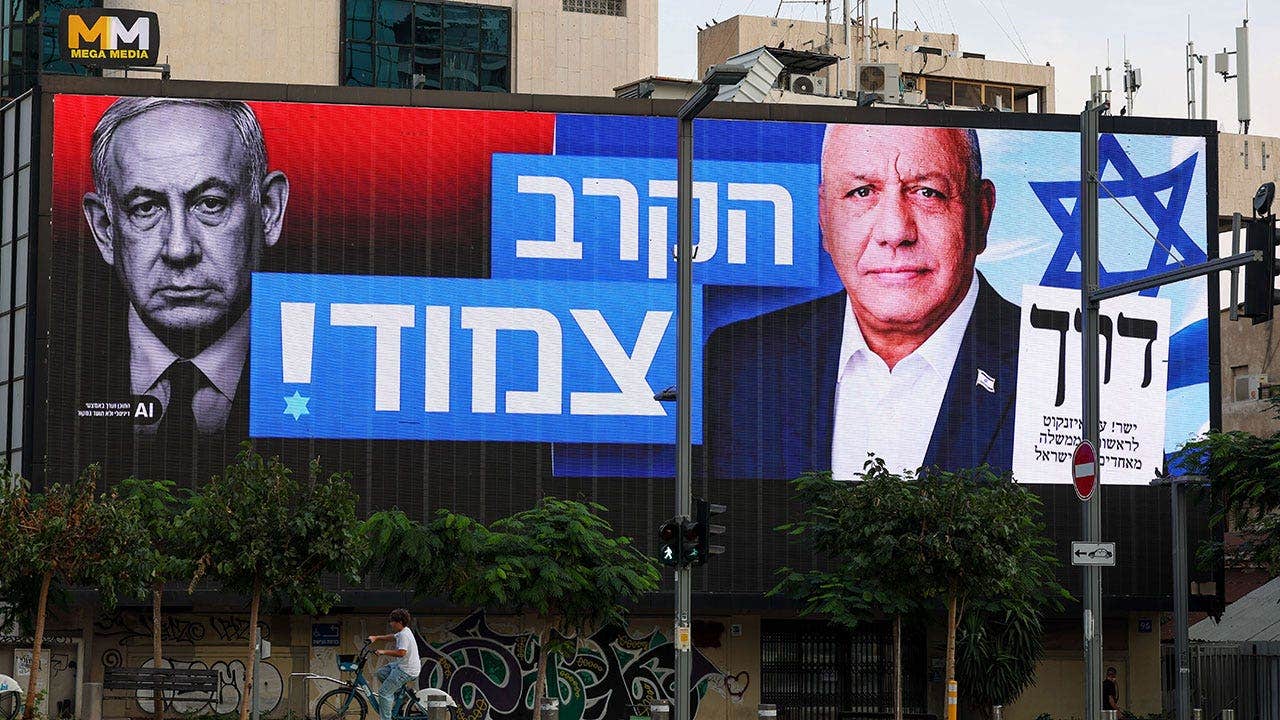
Israel’s final election results leave Prime Minister Benjamin Netanyahu’s bloc with 53 of the Knesset’s 120 seats and opposition leader Gadi Eisenkot’s alliance with 48, while two predominantly Arab parties hold 19 seats. Neither side has the 61 needed to govern. Coalition talks may involve Arab lawmakers, ultra-Orthodox parties, a unity government, or another election. Reports that ultra-Orthodox lawmakers might negotiate with the opposition remain disputed, and the results are still subject to formal verification before the new Knesset convenes.
Watchmen Signals
Israel’s election has left national leadership, coalition-building, and the duties of those who govern at the center of public life. Scripture addresses the accountability of rulers, the purpose of civil authority, and prayer for governing officials, although it does not prescribe Israel’s modern parliamentary process or endorse any party involved in the negotiations.
The inconclusive election and uncertain coalition talks do not correspond to a particular prophetic passage with enough specificity. Israel’s political importance, divided factions, and possible change of government are not sufficient on their own to establish prophetic fulfillment.
Coalition negotiations are beginning after a confirmed election outcome that left both major blocs short of a majority. The situation is evolving and could lead to a new government, a unity arrangement, or another election, but it does not require immediate emergency notification.
Biblical Context
National leadership, the responsibilities of rulers, and the consequences of political decisions are recurring biblical concerns. Deuteronomy 17:14-20 describes Israel’s expectations for a king, emphasizing that rulers are subject to God’s law and must not use power for self-exaltation. The passage does not establish a modern electoral system, but it provides a relevant standard for evaluating leadership in the state identified in the article as Israel. Romans 13:1-4 presents civil authority as an institution accountable to God and charged with restraining wrongdoing and pursuing public order. That principle applies to whichever coalition ultimately governs, without endorsing any particular Israeli party or coalition arrangement. First Timothy 2:1-2 calls believers to pray for rulers and those in authority so that society may experience peace and godly order; it is relevant to the uncertainty surrounding Israel’s incoming government and the decisions it will make. The reported election does not correspond to a specific biblical prophecy. Israel’s political identity and the presence of coalition conflict are not, by themselves, evidence that a prophetic passage is being fulfilled. The connection here concerns leadership, public responsibility, and prayer for governing authorities rather than prophecy.
Biblical Sources
Scripture references supporting the biblical context above.
Paul urges prayer for kings and all who hold authority so that people may live peaceful and godly lives. This directly informs a Christian response to uncertainty over Israel’s next government and its future decisions.
Israel’s kings are instructed to remain subject to God’s law, avoid self-exalting power, and lead with covenantal responsibility. This offers a biblical framework for considering the conduct and obligations of national leaders, though it does not describe Israel’s modern parliamentary system.
Civil authorities are described as accountable institutions intended to preserve order and restrain wrongdoing. The passage relates to the responsibilities of whatever government emerges from Israel’s coalition negotiations, without validating a particular party or outcome.
Comments
No comments yet.
Sign in to join the conversation.
Sign InStay Informed. Grow in Biblical Understanding.
Explore important news from around the world through the context of God's Word. Create your FREE Watchmen account to discover more news analysis, Biblical Insights, and Scripture-based perspectives.
Create Your FREE AccountFree to join. No credit card required.