Gulf states must rethink trillion-dollar defence in light of US-Iran war, says report
Summary
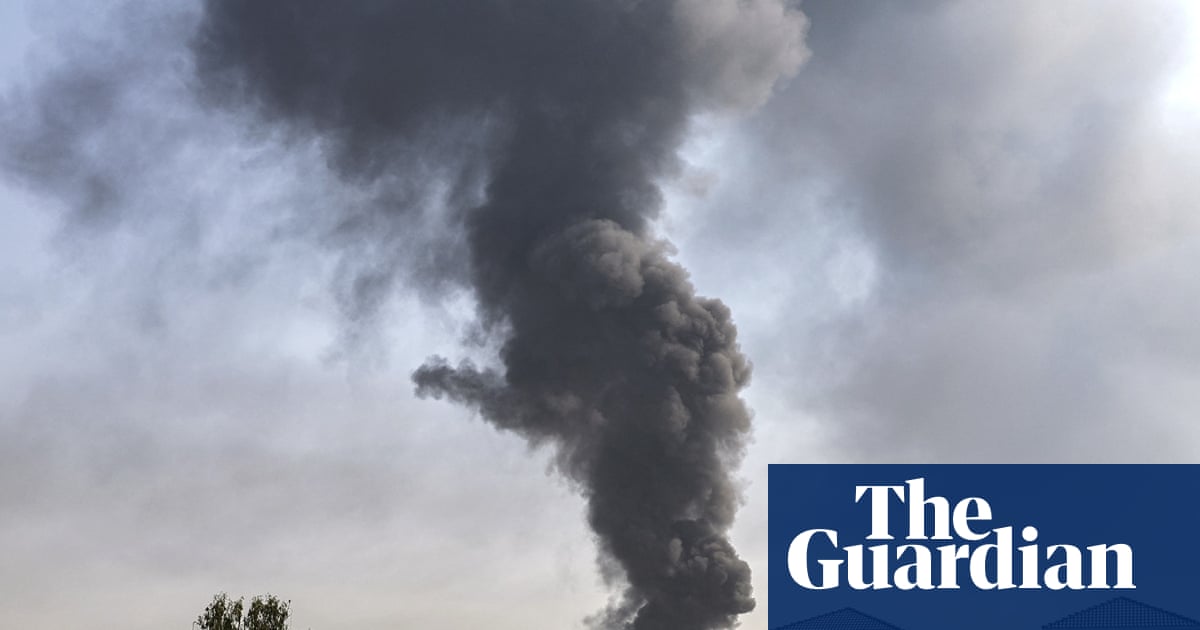
A study by the International Institute for Strategic Studies says Gulf states may need to overhaul their trillion-dollar defenses after Iranian attacks exposed weaknesses in regional air and missile protection. Before an 8 April ceasefire, the report counted 4,670 Iranian drones and more than 1,400 ballistic missiles directed at 12 regional states, with nearly half aimed at the UAE. Damage to energy infrastructure may have reached $58 billion. The findings have renewed debate over the future of U.S. bases and security partnerships in the Gulf.
Watchmen Signals
Iranian missile and drone attacks, the protection of civilian and energy infrastructure, and the responsibility of governments to defend those under their authority raise issues addressed by Scripture. Romans 13:1–4 speaks to governmental responsibility and the proper use of authority, while Matthew 24:6 and James 4:1–2 address war and human conflict; these passages illuminate the development without identifying it as a specifically biblical event.
The attacks, damage to Gulf infrastructure, and debate over U.S. bases do not correspond specifically enough to a named biblical prophecy. War, regional alliances, Iran’s role, and military instability are broad circumstances found in many conflicts, so the supplied facts do not establish prophetic fulfillment or a sufficiently distinctive prophetic pattern.
The fighting described occurred before the 8 April ceasefire, while the current focus is on its aftermath and a possible reassessment of regional defenses. It is an evolving security issue worth watching, but the article does not report a new attack or immediate emergency.
Biblical Context
Iran’s attacks, the vulnerability of civilian and energy infrastructure, and the debate over how governments should protect those under their authority connect with biblical teaching about political responsibility and the human causes of conflict. Romans 13:1–4 describes governing authorities as accountable for restraining wrongdoing and pursuing the public good; it does not endorse every military policy, but it provides a framework for evaluating whether state power is being exercised responsibly. The reported failure to provide adequate protection raises that question without allowing the article alone to establish motives or moral culpability. Jesus’ warning in Matthew 24:6 places reports of wars and international conflict within the broader condition of a troubled world, while cautioning against treating every conflict as proof that the end has arrived. James 4:1–2 identifies quarrels and wars as flowing from disordered human desires, offering a moral explanation for conflict rather than a prediction about this particular Iran-Gulf confrontation. These passages support reflection on force, security, and peace, but none specifically identifies the reported attacks or the future of U.S. bases as a prophetic event. The article reports a concrete geopolitical and military development, not a fulfillment of a named biblical prophecy. The presence of Iran, Gulf states, missiles, and regional alliances is not by itself sufficient to establish such a connection.
Biblical Sources
Scripture references supporting the biblical context above.
James connects wars and conflicts to sinful human desires and disputes. That principle is relevant to the human causes of the Iranian-Gulf confrontation, though it does not identify this particular conflict prophetically.
Jesus refers to wars and reports of wars while warning His disciples not to be alarmed or assume that such events alone establish the immediate end. The passage helps place this conflict in context without treating it as a specific prophetic fulfillment.
Paul describes governing authorities as responsible for restraining wrongdoing and serving the public good. This provides a relevant framework for considering Gulf governments’ duty to protect their populations and the responsible use of military power.
Comments
No comments yet.
Sign in to join the conversation.
Sign InStay Informed. Grow in Biblical Understanding.
Explore important news from around the world through the context of God's Word. Create your FREE Watchmen account to discover more news analysis, Biblical Insights, and Scripture-based perspectives.
Create Your FREE AccountFree to join. No credit card required.