Your Phone Knows You’re at the Doctor, and Data Brokers Do, Too — Then Profit From It
Summary
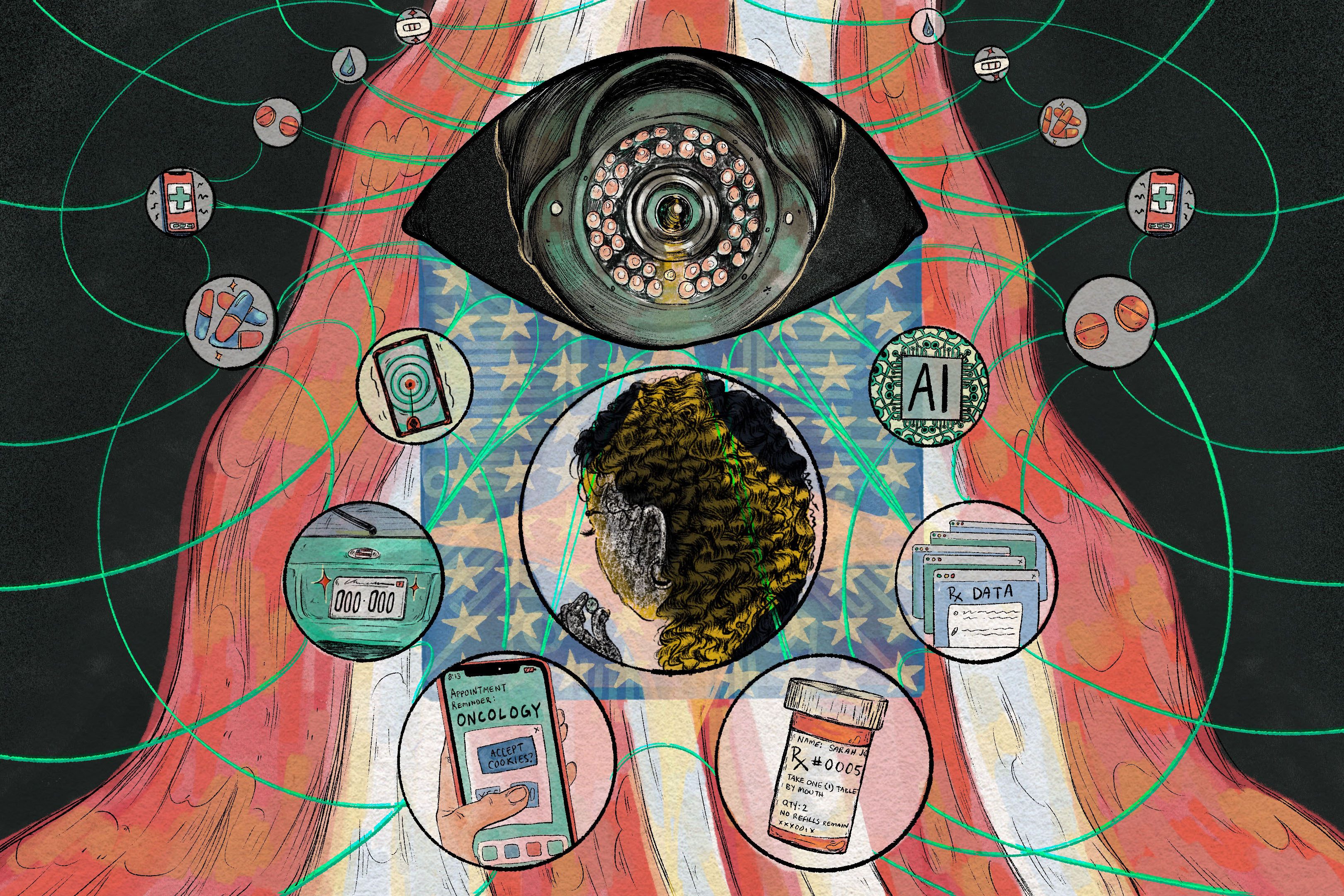
Cancer survivor Chris McQueen continued receiving advertisements for unproven treatments after smartphone location data apparently linked his visits to oncologists with inferred health information. The report says data brokers collect and sell precise location records, including visits to hospitals, abortion clinics, churches, and recovery meetings, often outside HIPAA protections. Government action against companies such as Kochava has been limited, while privacy advocates cite inaccurate profiles, breach risks, and weak opt-out systems. Several states have restricted geolocation sales, but broader legislation remains uncertain.
Watchmen Signals
Patients facing cancer and other illnesses can be targeted with unproven treatments after companies infer their health conditions from location data. Scripture condemns dishonest gain, false claims, and exploiting vulnerable people, particularly in Proverbs 11:1, Amos 8:4-6, and Ephesians 4:25; those principles apply meaningfully even though the Bible does not address smartphones or data brokers directly.
Mobile tracking and large-scale data collection may invite broad comparisons with concerns about surveillance or control, but the reported practices do not correspond to a specific prophetic passage with distinctive identifying details. Scripture does not name data brokers, smartphone location records, or targeted health advertising, so no prophetic fulfillment is established.
The concerns are serious, but the story describes an ongoing industry, recent regulatory actions, and continuing legislative debate rather than a sudden emergency requiring immediate notification.
Biblical Context
Selling or exploiting personal information to vulnerable patients, especially when it helps promote unproven or potentially harmful treatments, raises clear biblical concerns about truthful dealing and protection from harm. Proverbs 11:1 condemns dishonest commercial practices; its immediate context is the moral accountability of business dealings, making it relevant to deceptive marketing and exploitative gain. Amos 8:4-6 describes people who take advantage of the poor and needy for profit. The modern data-broker industry is not identical to the commercial exploitation condemned by Amos, but targeting people inferred to be ill and monetizing information they may not realize is being sold presents a comparable concern about profiting from vulnerability. Ephesians 4:25 commands believers to put away falsehood and speak truthfully. That principle bears directly on advertisements that promise cancer cures or full recovery without reliable evidence, although the passage addresses Christian conduct rather than regulating advertising technology. Proverbs 12:22 likewise identifies lying lips as an abomination to the Lord, supporting concern about unsubstantiated therapeutic claims. The warning in Proverbs 14:31 against oppressing the poor and honoring God by showing kindness to the needy also illuminates the duty not to exploit people facing serious illness, though the article does not establish the financial circumstances of every targeted patient. Scripture does not directly address smartphone tracking, data brokers, HIPAA, or digital advertising. Nor does it identify these practices as a prophetic fulfillment. The strongest connection is therefore ethical and practical: truthful communication, fair dealing, accountability, and care for people who may be especially susceptible to manipulation. The reported privacy risks also reinforce the biblical expectation that people should not use power or information to prey on those with fewer resources or less understanding.
Biblical Sources
Scripture references supporting the biblical context above.
Amos denounces people who exploit the needy for commercial gain. The setting is ancient economic oppression, but the passage provides a meaningful ethical parallel to monetizing vulnerable patients and their inferred health conditions.
Paul instructs believers to reject falsehood and speak truthfully. This directly supports scrutiny of advertisements that promise cures or recovery without reliable evidence, while not functioning as a modern advertising regulation.
The passage condemns dishonest scales and presents truthful, fair dealing as pleasing to God. It supports concern about deceptive commercial practices and profiting through misleading health claims.
The verse condemns lying and commends faithful conduct. It supports the biblical importance of honesty when marketing treatments to people facing serious illness.
The passage warns against oppressing the poor and connects treatment of the vulnerable with one's regard for their Creator. It supports concern about exploiting people in vulnerable circumstances, though the article does not show that every affected patient is poor.
Comments
No comments yet.
Sign in to join the conversation.
Sign InStay Informed. Grow in Biblical Understanding.
Explore important news from around the world through the context of God's Word. Create your FREE Watchmen account to discover more news analysis, Biblical Insights, and Scripture-based perspectives.
Create Your FREE AccountFree to join. No credit card required.