Are Trump’s global actions, from Ukraine to Iran, going to hurt him in elections?
Summary
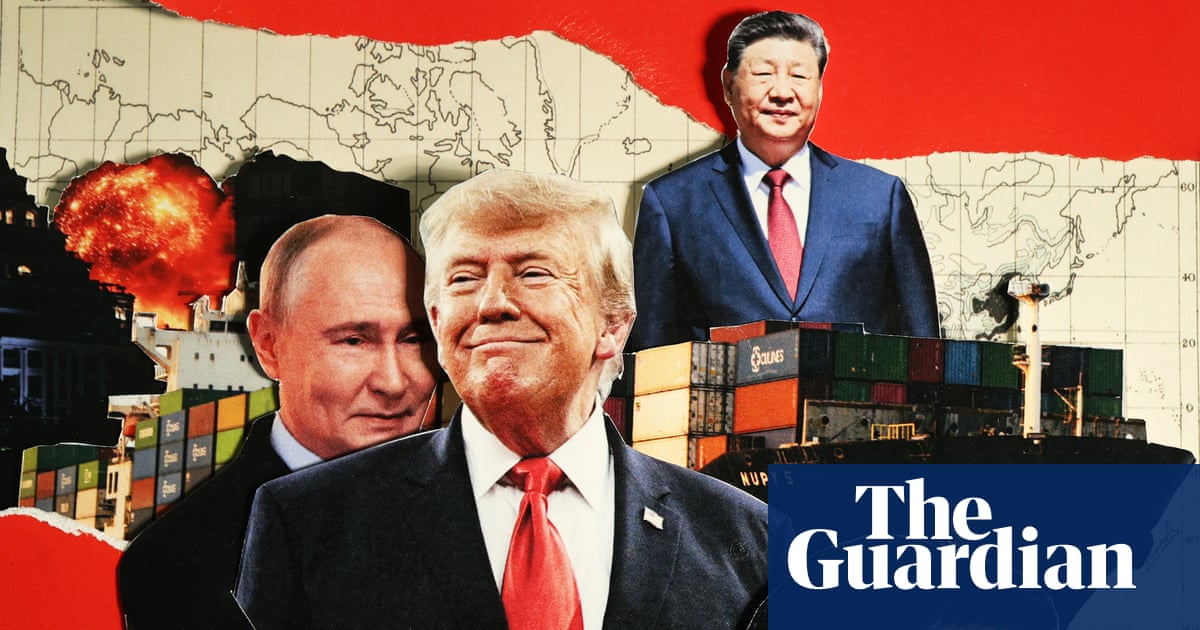
Ukrainian Americans in Pennsylvania say President Donald Trump’s reported shift toward Moscow is reshaping their political loyalties before the 3 November midterm elections. Community members cite alleged intelligence-sharing disruptions, a proposed diesel arrangement with Russia, pressure on Volodymyr Zelenskyy, and perceived hostility toward Ukraine. The article also links voter discontent to the reported Iran war, higher energy prices, tariffs, and strained relations with Canada. Several claims, including military, economic, and foreign-policy developments, are presented through interviews and political assertions rather than independently established evidence.
Watchmen Signals
Russian attacks, civilian deaths, the struggle over Ukraine, and decisions by national leaders bring Scripture’s teaching on justice, protection of the vulnerable, peacemaking, and governmental accountability into clear focus. Those principles illuminate the reported conduct and consequences without implying that Scripture endorses any particular party or policy.
Russia’s war, tensions involving Iran and Israel, shifting alliances, and claims of imperial ambition do not identify a particular prophetic event. Scripture contains prophecies involving nations, conflict, and judgment, but the facts presented here lack distinctive elements—such as a specified covenant, attack on Jerusalem, or identifiable prophetic sequence—needed for a responsible fulfillment claim.
Foreign-policy decisions and the wars described are evolving and could affect Ukraine, Iran, Israel, Europe, and global energy prices. The account does not establish a confirmed immediate emergency requiring prompt notification, particularly where it discusses possible future strikes and election consequences.
Biblical Context
Russian attacks, alleged civilian deaths, the struggle over Ukraine’s sovereignty, and the conduct of national leaders raise questions Scripture addresses directly: the protection of vulnerable people, justice in public authority, restraint in war, and accountability for rulers. Psalm 82:3-4 calls those with power to defend the weak and rescue the oppressed; that principle bears on civilians exposed to missile attacks and on governments deciding whether and how to protect them. Proverbs 24:11-12 likewise emphasizes rescuing those being led toward death and reminds decision-makers that God weighs the heart. Romans 13:1-4 describes government authority as having a duty to restrain wrongdoing and pursue the public good. It does not endorse every policy of a particular administration, but it provides a framework for evaluating claims that leaders are abandoning protective responsibilities or using power for personal and imperial ambition. Isaiah 1:17 and Micah 6:8 similarly join justice with the defense of the vulnerable and humble conduct before God. The article’s discussion of war also relates to Jesus’ teaching in Matthew 5:9, where peacemakers are called blessed, and to James 4:1-2, which traces conflicts to disordered desires and disputes. These passages do not identify Russia, Ukraine, Iran, or any modern leader as part of a prophetic fulfillment. They instead supply moral standards by which warfare, diplomatic decisions, political fear, and concern for civilians may be assessed. The reported events do not establish a specific biblical prophecy: war, shifting alliances, threats against nations, and political ambition are too general to identify a particular prophetic event.
Biblical Sources
Scripture references supporting the biblical context above.
Isaiah commands the pursuit of justice and defense of the oppressed, directly illuminating concerns about civilians, aggression, and the treatment of vulnerable populations.
James links conflicts to destructive desires and disputes, offering a moral perspective on the ambitions, grievances, and power struggles described in the geopolitical reporting.
Jesus blesses peacemakers, making peace and the pursuit of reconciliation relevant to claims about ending the Ukraine conflict and escalating confrontation with Iran.
The call to do justice, love mercy, and walk humbly with God provides a concise biblical standard for leaders and citizens responding to war, power, and political conflict.
These verses urge people to rescue those being led toward death and affirm that God knows and weighs human motives, providing a relevant standard for responses to civilian danger and political responsibility.
The psalm calls rulers and authorities to defend the weak, uphold the afflicted, and rescue those facing oppression, which relates to civilians endangered by reported missile attacks and to governmental responsibility.
Paul presents civil authority as accountable for restraining wrongdoing and serving the public good; the passage helps evaluate claims about government power without treating any particular administration as automatically righteous.
Comments
No comments yet.
Sign in to join the conversation.
Sign InStay Informed. Grow in Biblical Understanding.
Explore important news from around the world through the context of God's Word. Create your FREE Watchmen account to discover more news analysis, Biblical Insights, and Scripture-based perspectives.
Create Your FREE AccountFree to join. No credit card required.