Report on alleged ‘second Dan Sullivan’ effort emerges after nearly 1 in 10 Alaskans voted
Summary
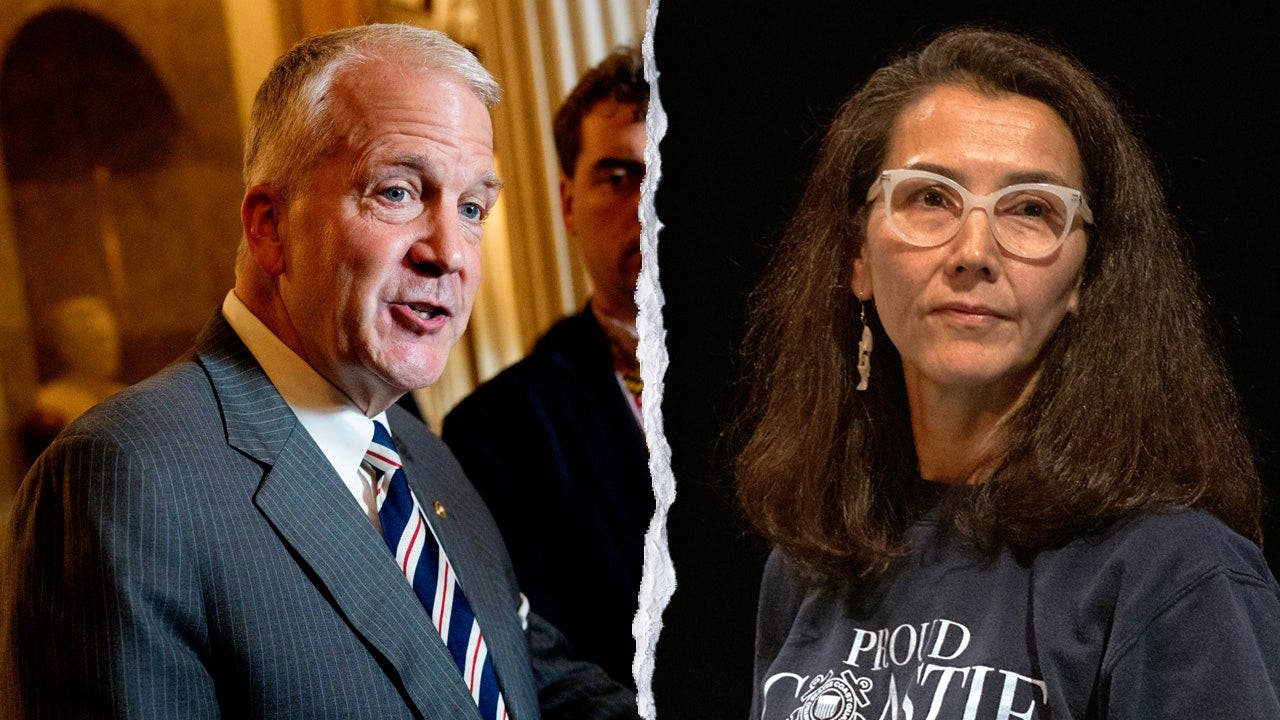
A New York Times investigation alleges that operatives connected to Democratic Senate candidate Mary Peltola and the Democratic Senatorial Campaign Committee helped recruit Dan J. Sullivan, a same-name candidate in Alaska’s Senate race, potentially confusing voters about incumbent Republican Sen. Dan Sullivan. Peltola’s campaign and the DSCC deny involvement. The report emerged after about 58,000 Alaskans had voted. The Justice Department is seeking to delay certification if Sullivan loses, while ranked-choice voting adds further uncertainty before the Nov. 3 election.
Watchmen Signals
Efforts allegedly connected to Mary Peltola’s campaign and the DSCC may have sought to confuse Alaska voters by placing a second Dan Sullivan on the ballot, while the DOJ is contesting how certification should proceed. Scripture’s commands concerning truthful testimony, faithful conduct, justice, and accountable authority apply to those actions, though the Bible does not directly address ranked-choice voting or this specific campaign tactic.
No specific prophetic passage describes a disputed Senate election, a same-name spoiler candidate, or ranked-choice voting. The alleged deception and legal uncertainty can be compared with biblical teachings about truth and justice, but those general themes do not demonstrate prophetic fulfillment.
With less than a week before the election and tens of thousands of ballots already cast, the allegations and related legal action require monitoring. The situation is consequential but does not yet indicate the kind of immediate emergency that warrants an urgent alert.
Biblical Context
Attempts to manipulate political competition by creating confusion would raise questions about truthfulness and fair dealing, if the allegations are substantiated. Exodus 20:16 prohibits bearing false witness, and Proverbs 12:22 contrasts lying lips with those who act faithfully; neither passage addresses campaign law or ranked-choice voting specifically, but both provide relevant standards for truthful public conduct. Micah 6:8 calls for justice, mercy, and humble conduct before God, principles that apply to candidates, political organizations, election officials, and voters responsible for protecting a fair process. Romans 13:1-4 also helps frame the government’s responsibility to administer civil authority for the public good. The passage does not settle whether the DOJ should delay certification or whether the lawsuit will succeed, but it supports careful attention to lawful governance rather than partisan manipulation. Scripture does not identify a specific prophecy concerning this Senate race, Alaska’s voting system, or same-name candidates. The connection is therefore ethical and civic, not prophetic.
Biblical Sources
Scripture references supporting the biblical context above.
The command against bearing false witness provides a direct biblical standard against deceptive or misleading conduct, relevant if operatives deliberately sought to confuse voters.
The call to do justice and walk humbly with God provides a broader standard for fair political conduct and responsible administration of elections.
The contrast between lying lips and faithful dealing speaks to the honesty expected of people exercising influence over public decisions.
Paul describes civil authority as accountable for maintaining order and serving the public good, a relevant principle for evaluating election administration and the DOJ’s legal action.
Comments
No comments yet.
Sign in to join the conversation.
Sign InStay Informed. Grow in Biblical Understanding.
Explore important news from around the world through the context of God's Word. Create your FREE Watchmen account to discover more news analysis, Biblical Insights, and Scripture-based perspectives.
Create Your FREE AccountFree to join. No credit card required.