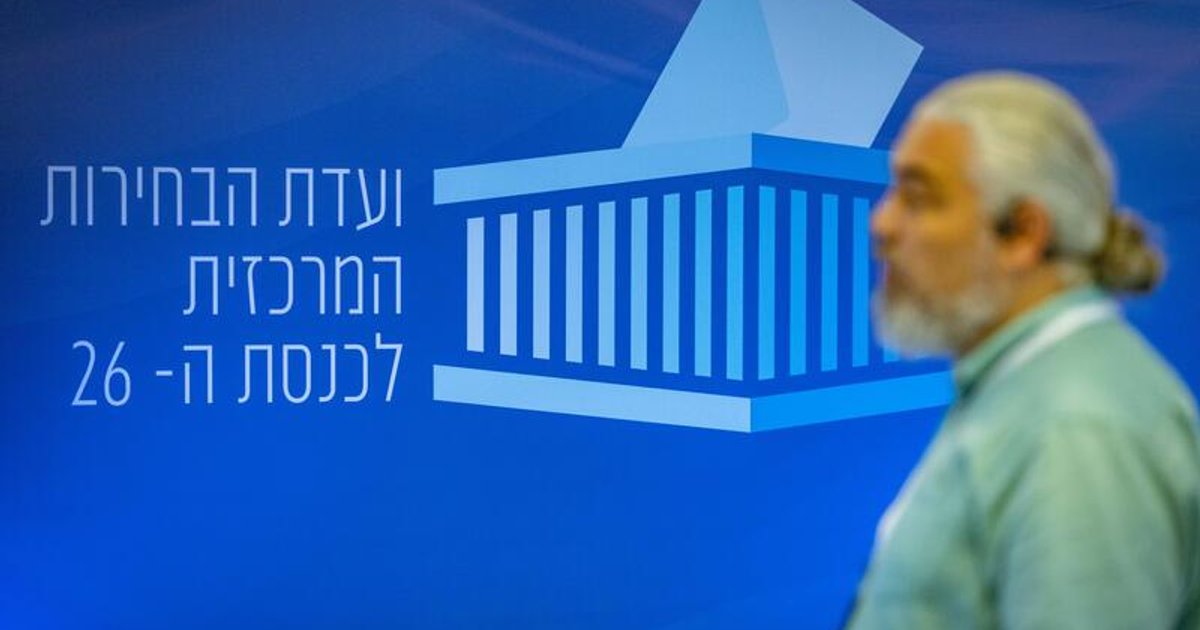
After Likud, allies claim 'elections were stolen', Israel Elections Committee says no 'systematic damage to election integrity'
Summary
Israel’s Central Elections Committee said there is currently no basis for claims that the election was systematically compromised, despite a Shin Bet investigation into suspected foreign-backed efforts to influence Arab voter turnout. Police arrested additional suspects in an alleged voter-bribery scheme, while officials examined reports involving prepaid fuel cards and possible overseas funding. Likud and other coalition figures accused Arab parties of enabling foreign control and called for severe action, whereas opposition and Arab leaders urged an impartial investigation and warned against exploiting unproven allegations or stigmatizing an entire community.
Watchmen Signals
Allegations that voters may have been bribed and that foreign money may have influenced an Israeli election directly raise Scripture’s concerns about corrupt judgment, dishonest dealing, and the responsibility of public authorities to investigate fairly. The warnings against accepting bribes and distorting justice apply to the alleged conduct, while the calls for evidence and impartiality caution against declaring an entire political or ethnic community guilty before the facts are established.
The investigation into alleged voter bribery and foreign influence does not correspond to a distinctive prophetic event described in Scripture. Israel’s involvement and the political conflict are not, by themselves, evidence of prophecy; the supplied facts describe a contemporary legal and electoral dispute with no specific prophetic pattern established.
The Shin Bet and police investigations remain active, with additional arrests and competing political claims emerging. However, authorities currently describe the matter as limited and say there is no established threat to the validity of the election results.
Biblical Context
Bribery, possible foreign influence, disputed evidence, and pressure on authorities to act impartially all touch principles Scripture addresses directly. Exodus 23:8 and Deuteronomy 16:18-20 warn judges and officials not to accept bribes or distort justice; those passages illuminate the seriousness of buying political influence and the need for an investigation that is not controlled by partisan interests. Leviticus 19:15 likewise requires impartial judgment, which is relevant both to investigating alleged offenses fairly and to avoiding collective condemnation of Arab citizens because of accusations involving particular individuals. The calls to investigate evidence rather than rely on inflammatory claims also accord with Proverbs 18:13, which warns against answering a matter before hearing it, and Proverbs 18:17, which observes that an initial account can appear convincing until it is examined. These are principles of careful judgment, not a determination that any person or party in this case is guilty or innocent. The article presents a serious concern about election integrity and public accountability, but it does not establish a specific prophetic fulfillment. The controversy involves ordinary political corruption and institutional investigation rather than a distinctive event identified by a particular biblical prophecy.
Biblical Sources
Scripture references supporting the biblical context above.
These instructions require judges and officials to judge fairly, reject bribery, and pursue justice, supporting the calls for an impartial investigation into alleged election interference.
The command not to accept a bribe directly relates to allegations that money or prepaid benefits may have been used to influence voters or political participation.
The requirement of impartial judgment applies to evaluating suspects and evidence without favoring either coalition figures or opposition and Arab parties, and cautions against collective treatment of an entire community.
The warning against answering a matter before hearing it speaks to the danger of treating political allegations and social-media reports as established facts before investigators verify them.
The observation that the first account can seem right until another examines it reflects the need to compare competing claims and evidence in this disputed investigation.
Comments
No comments yet.
Sign in to join the conversation.
Sign InStay Informed. Grow in Biblical Understanding.
Explore important news from around the world through the context of God's Word. Create your FREE Watchmen account to discover more news analysis, Biblical Insights, and Scripture-based perspectives.
Create Your FREE AccountFree to join. No credit card required.