Trump DOJ's fight over 20K suspected noncitizen voters takes sharp turn as California ballots pour in
Summary
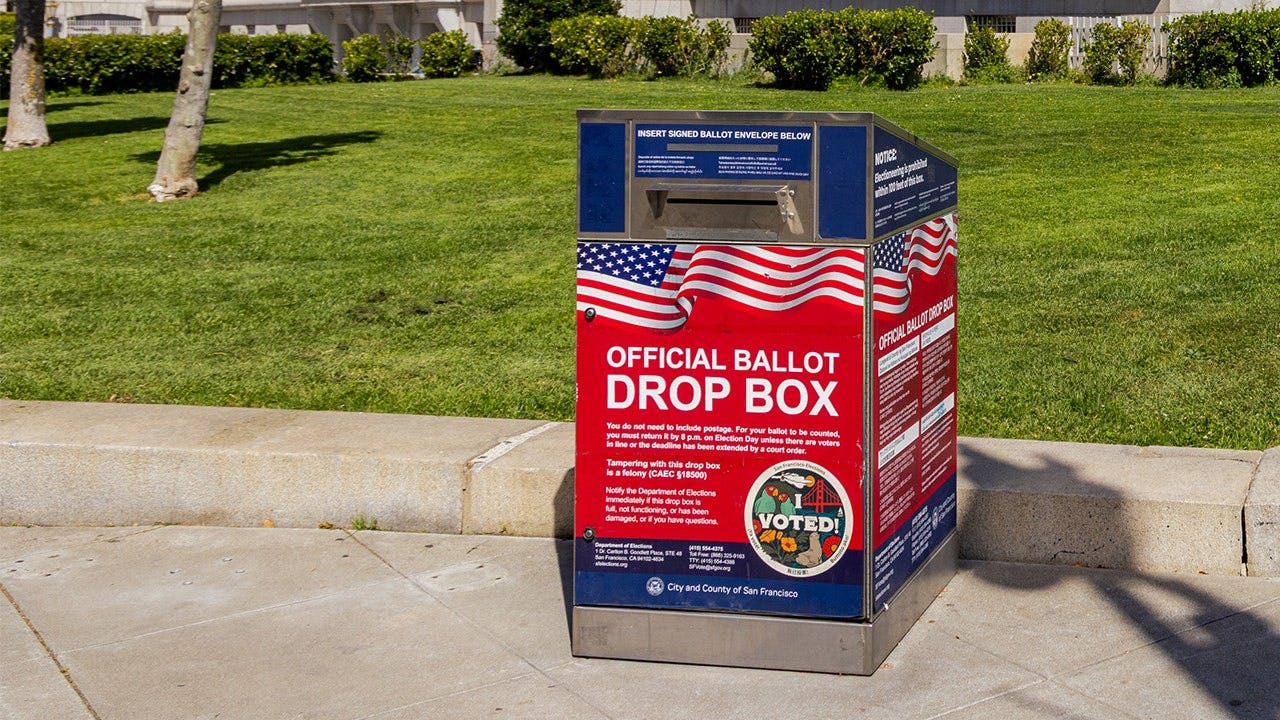
U.S. District Judge David O. Carter rejected the Justice Department’s emergency request to sequester mail ballots linked to more than 20,000 California voters whose citizenship federal officials questioned. California disputed the list, saying an initial review found U.S.-born citizens and people with no voting history among those flagged. The judge said the late intervention would disrupt an election already underway and questioned the evidence’s reliability. The Justice Department immediately appealed, while officials continued to dispute whether the ballots could be identified and separated.
Watchmen Signals
Federal officials sought to isolate ballots from more than 20,000 voters based on questioned citizenship, while California officials reported apparent errors and the judge warned that eligible citizens could be affected. Scripture’s teaching on reliable testimony, impartial justice, and responsible government authority—especially Deuteronomy 19:15–19, Proverbs 17:15, and Romans 13:1–7—speaks meaningfully to those concerns, although it does not prescribe modern voter-roll procedures.
A federal court dispute over voter-roll data, mail ballots, and election authority does not correspond to any particular biblical prophecy identified in the supplied facts. Political conflict, allegations of fraud, and uncertainty over an election are not sufficient evidence of prophetic fulfillment.
The ruling affects an election already underway, and the Justice Department has announced an immediate appeal seeking emergency relief. The situation is evolving and warrants attention, but the available facts do not indicate an immediate crisis requiring urgent notification.
Biblical Context
The Justice Department’s attempt to sequester ballots based on questioned citizenship, California’s challenge to the list’s accuracy, and the judge’s concern about disrupting an election all raise biblical concerns about truthful evidence, impartial justice, and lawful authority. Deuteronomy 19:15–19 requires careful establishment of accusations and treats false testimony as a serious offense; that principle supports caution before imposing consequences on people based on disputed identification data. Proverbs 17:15 condemns both acquitting the guilty and condemning the innocent, which applies to the tension between preventing unlawful voting and protecting eligible citizens from wrongful exclusion. Romans 13:1–7 recognizes government authority and its responsibility to restrain wrongdoing and uphold justice. It does not settle the constitutional question of whether federal or state officials should control a particular election procedure, but it supports the broader principle that public authority must be exercised lawfully and for the public good. These passages do not directly address modern voter rolls, mail ballots, or data-matching systems. They provide principles for evaluating the competing duties reported here: investigating possible wrongdoing, relying on reliable evidence, respecting lawful governmental boundaries, and avoiding unjust treatment of citizens.
Biblical Sources
Scripture references supporting the biblical context above.
These verses require accusations to be established by adequate testimony and prescribe judgment against false witnesses. They support careful verification before voters are treated as ineligible based on disputed data.
The proverb condemns both acquitting the guilty and condemning the innocent, illuminating the need to balance election-integrity enforcement with protection against wrongful disenfranchisement.
Paul describes civil authority as responsible for restraining wrongdoing and administering public order. The passage offers a general principle of lawful government authority without resolving the modern federal-state election dispute.
Comments
No comments yet.
Sign in to join the conversation.
Sign InStay Informed. Grow in Biblical Understanding.
Explore important news from around the world through the context of God's Word. Create your FREE Watchmen account to discover more news analysis, Biblical Insights, and Scripture-based perspectives.
Create Your FREE AccountFree to join. No credit card required.