Iran expert says second Israeli election would be ‘the best thing' that could happen to Tehran
Summary
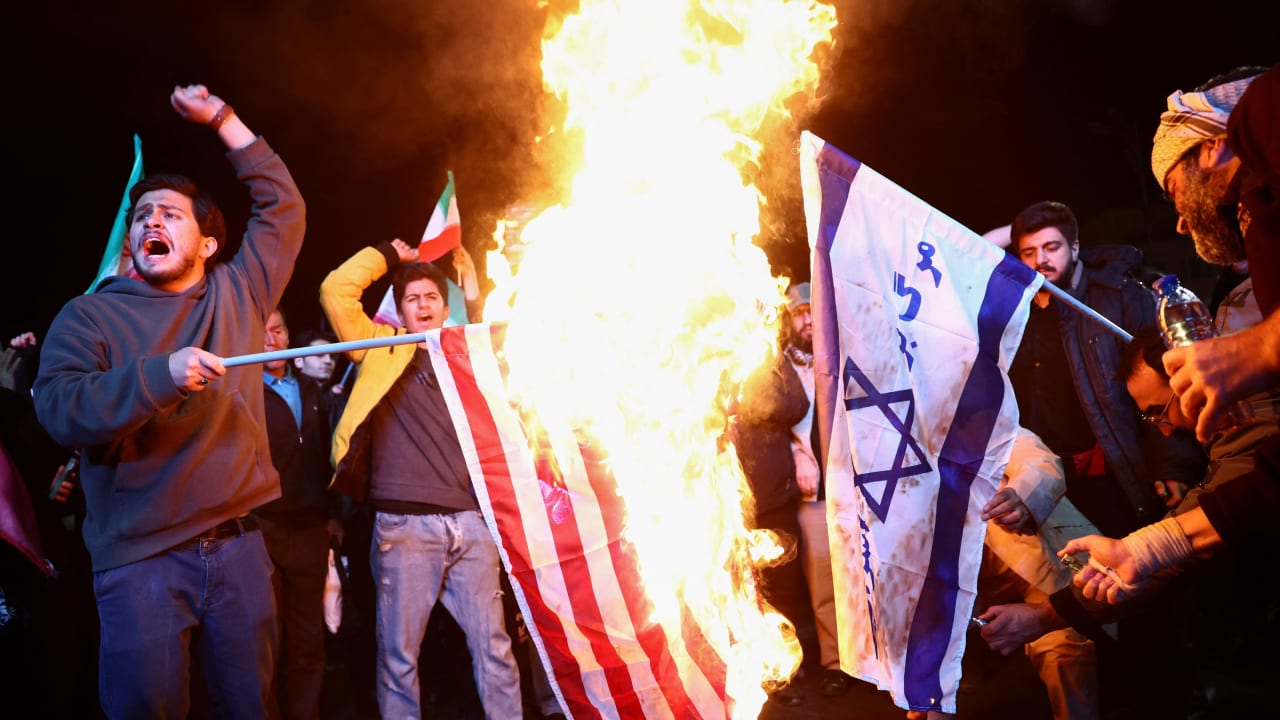
Iranian officials are closely watching Israel’s election results, particularly the possibility that Benjamin Netanyahu will remain prime minister. Iran expert Beni Sabti said Tehran views Netanyahu as a formidable threat and benefits from political divisions in Israel and the United States. He also described preparations for another confrontation, worsening economic conditions in Iran, a reported 55% increase in bread prices, and possible protests tied to Cyrus the Great’s birthday. The claims about U.S.-Iran contacts, Iranian unrest, and military preparations are presented through Sabti’s assessment and are not independently verified here.
Watchmen Signals
Israel’s political leadership, Iran’s hostility, possible military confrontation, and instability among nations are all subjects Scripture addresses through its teaching about rulers, conflict, peace, and accountability. The connection is significant for biblical awareness, but the reported developments do not by themselves identify a specific prophetic fulfillment.
The report describes Iranian concern over Netanyahu, preparations for a possible confrontation, political divisions, economic hardship, and potential protests, but it does not establish the distinctive features of a particular biblical prophecy. References to Israel, Iran, war, or unrest alone are insufficient to conclude that prophecy is being fulfilled.
Iranian preparations, worsening economic conditions, and the possibility of renewed protests indicate an evolving situation worth watching. No attack or immediate military escalation is described, so prompt emergency notification is not yet warranted.
Biblical Context
Political uncertainty in Israel, hostility from a neighboring power, and the possibility of renewed conflict are subjects Scripture treats seriously, but the reported developments do not establish a specific prophetic fulfillment. Proverbs 21:1 places the decisions of rulers within God’s sovereignty, while Romans 13:1-4 describes government authority and its responsibility to restrain wrongdoing; neither passage endorses every action taken by a government. Those principles are relevant to evaluating Israel’s leadership, Iran’s regime, and U.S. policy without assuming that any current leader has a uniquely prophetic role. Jesus warned that believers would hear of wars and rumors of wars, but also cautioned them not to treat such reports alone as proof that the end had arrived (Matthew 24:6). That is an important limitation here: preparations for confrontation and rising regional tension deserve attention, yet the supplied facts do not identify the distinctive elements of a particular prophetic event. Scripture also calls believers to pray for rulers so that societies may experience peace and order (1 Timothy 2:1-2), a fitting response to the reported instability and threats of war. The article’s claims about economic hardship and public frustration can be considered alongside biblical concern for justice and the welfare of ordinary people, but the text does not provide enough verified information to draw a more specific biblical conclusion about Iran’s internal conditions.
Biblical Sources
Scripture references supporting the biblical context above.
The passage urges prayer for kings and all in authority so that people may live peaceful and orderly lives, relating to the article’s focus on political divisions, possible war, and regional instability.
Jesus refers to wars and rumors of wars while warning His disciples not to be alarmed or conclude from such reports alone that the end has arrived. The passage directly supports caution about interpreting the reported military tension prophetically.
The passage teaches that the hearts and decisions of rulers remain under God’s sovereignty, providing context for considering Israel’s leadership, Iranian authority, and U.S. policy without treating any leader as beyond accountability.
Paul describes government authority and its responsibility to restrain wrongdoing. This helps frame the actions of governments involved in the reported tensions without implying that every governmental decision is morally approved.
Comments
No comments yet.
Sign in to join the conversation.
Sign InStay Informed. Grow in Biblical Understanding.
Explore important news from around the world through the context of God's Word. Create your FREE Watchmen account to discover more news analysis, Biblical Insights, and Scripture-based perspectives.
Create Your FREE AccountFree to join. No credit card required.