Cruz says there's 'real risk that Americans will die' if El-Sayed gains access to US intelligence
Summary
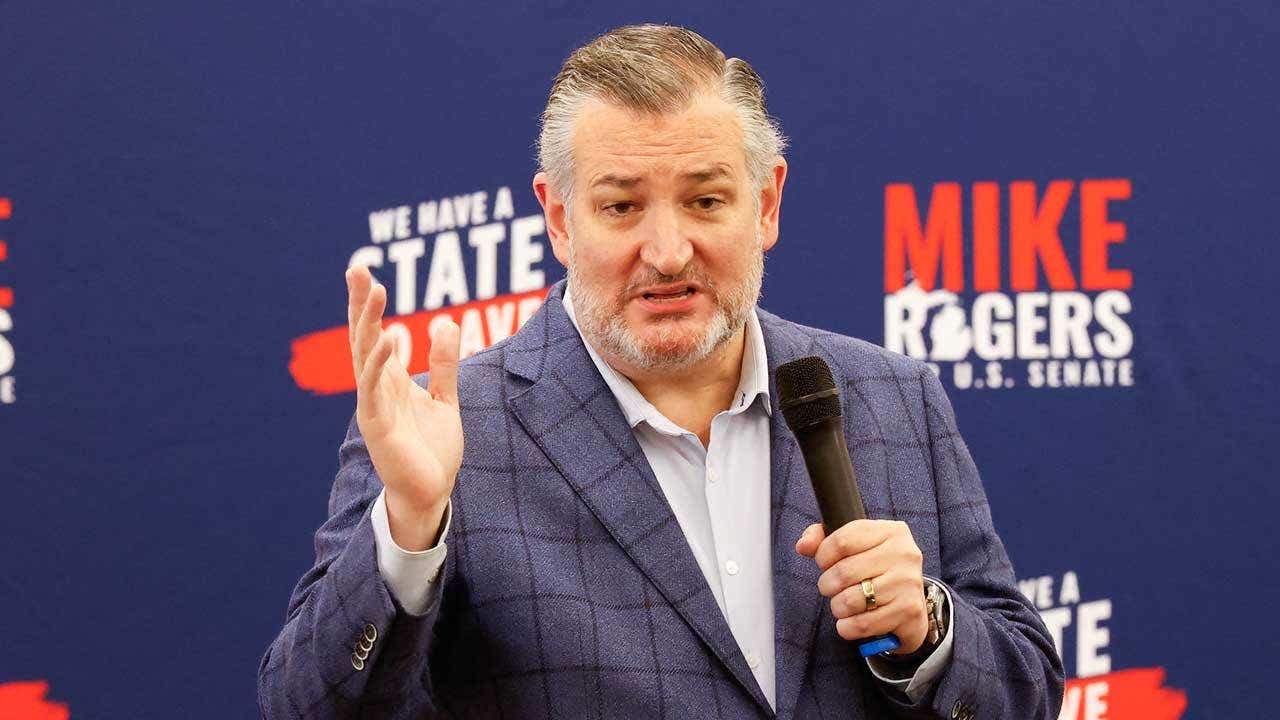
Sen. Ted Cruz warned that Americans could die if Abdul El-Sayed wins Michigan’s Democratic Senate nomination and is later placed on the Senate Intelligence Committee. Cruz alleged El-Sayed supports the Muslim Brotherhood and might disclose sensitive intelligence to terrorists, but offered no evidence in the supplied report. El-Sayed denied ever belonging to the organization and said he would uphold the Constitution. The campaigns did not immediately respond to Fox News Digital’s requests for comment. El-Sayed is competing against Trump-backed former Rep. Mike Rogers.
Watchmen Signals
Sen. Ted Cruz’s warning centers on the duties of public officials, the protection of citizens, and the truthfulness of grave accusations about a Senate candidate. Romans 13:1–4 supports careful attention to governmental responsibility, while Exodus 20:16 and Proverbs 18:17 caution against accepting disputed claims without proper examination; Scripture informs the principles at stake but does not resolve the political allegations.
The dispute concerns a U.S. Senate election, possible access to intelligence, and allegations about terrorist sympathies. Those facts do not correspond to a specific biblical prophecy or distinctive prophetic pattern; the relevant passages address authority and truthful testimony rather than predicting this election or its participants.
The comments were made during an ongoing Senate campaign, with no reported attack, emergency action, or immediate change in national security conditions requiring prompt notification.
Biblical Context
A public official’s warning about access to national-security information raises questions about the responsibilities attached to civil authority. Romans 13:1–4 describes governing authorities as accountable to God and charged with restraining wrongdoing; it does not endorse every allegation made by a political leader, but it supports taking the protection of the public and responsible exercise of authority seriously. The competing claims also make truthful testimony and careful judgment important. Exodus 20:16 forbids bearing false witness, while Proverbs 18:17 cautions that an initial account can appear persuasive until it is examined by another party. Applied here, those passages support distinguishing verified facts from Cruz’s allegations and El-Sayed’s denial rather than treating either political statement as conclusive. Scripture provides principles for evaluating public responsibility and truthfulness, but it does not identify this election dispute as a fulfillment of prophecy.
Biblical Sources
Scripture references supporting the biblical context above.
The prohibition against bearing false witness is relevant to serious, disputed allegations about a political candidate’s affiliations, intentions, and possible conduct.
The proverb warns that the first case presented may seem right until another account is examined, supporting caution when evaluating Cruz’s accusations alongside El-Sayed’s denial and the absence of corroboration in the supplied report.
Paul describes governing authority as accountable to God and responsible for restraining wrongdoing, which bears on claims about a senator’s duties, national security, and protection of the public.
Comments
No comments yet.
Sign in to join the conversation.
Sign InStay Informed. Grow in Biblical Understanding.
Explore important news from around the world through the context of God's Word. Create your FREE Watchmen account to discover more news analysis, Biblical Insights, and Scripture-based perspectives.
Create Your FREE AccountFree to join. No credit card required.