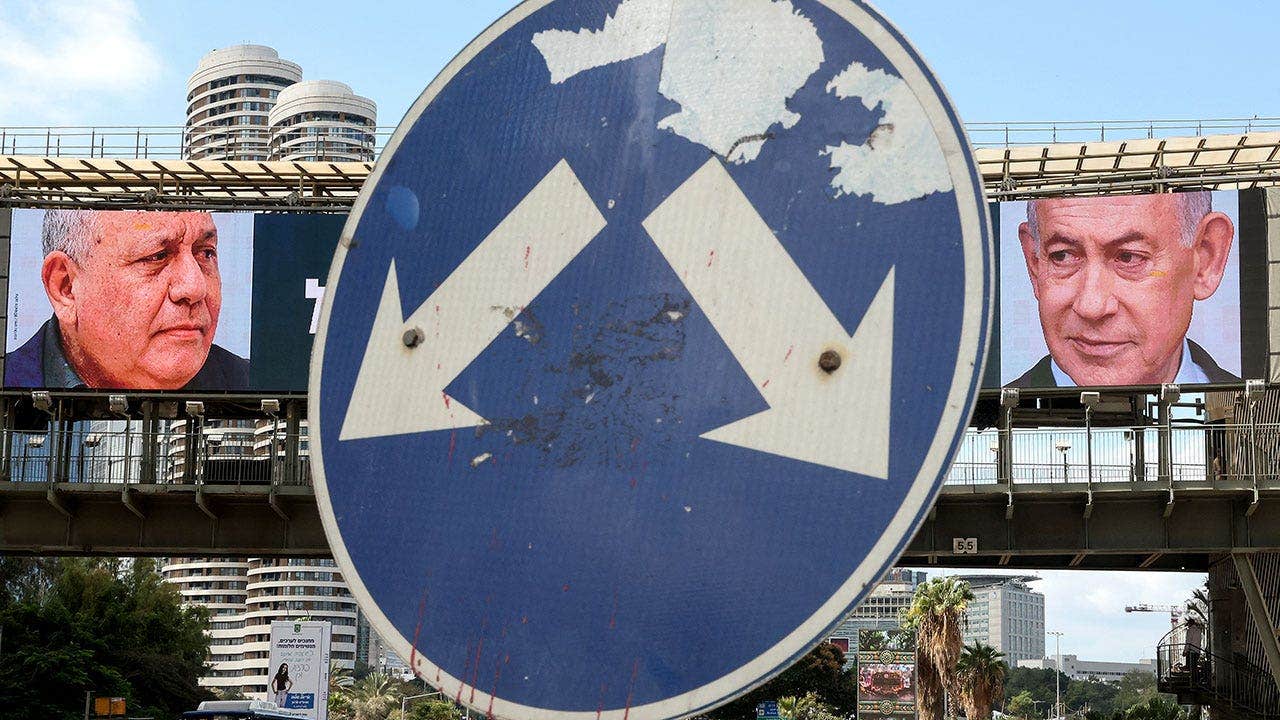
Netanyahu falls short of majority as Israel faces three possible paths to a new government
Summary
Preliminary Israeli election results show Prime Minister Benjamin Netanyahu’s bloc with 53 of 120 Knesset seats, short of the 61 needed to govern, while opposition parties hold 48 and predominantly Arab parties are projected to win 19. Arab turnout reportedly rose to about 80%, potentially making those parties decisive in coalition or parliamentary maneuvering. Allegations that Qatar funded efforts to influence Arab voters remain unsubstantiated and are under investigation. Coalition negotiations could produce a unity government, another election, or prolonged caretaker rule.
Watchmen Signals
Israel’s unresolved election, allegations of foreign influence, and dispute over the legitimacy of Arab-party gains place justice, truthful testimony, and the character of public leadership at the center of the political crisis. Deuteronomy 16:18-20 and Proverbs 29:2 speak meaningfully to those concerns, while the reported allegations remain unproven.
No specific prophetic passage identifies an Israeli election, a coalition deadlock, or increased Arab-party representation in the Knesset. Israel’s political division and the allegations of foreign interference may invite speculation, but the facts supplied do not establish the distinctive correspondence required to identify prophetic fulfillment.
Coalition negotiations and an election-integrity investigation are unfolding, with the final political outcome still uncertain. The situation warrants continued attention but does not describe an immediate emergency or rapidly escalating crisis.
Biblical Context
The projected struggle to form a government raises questions about legitimate authority, justice, truthful testimony, and the responsibility of political leaders. Deuteronomy 16:18-20 instructs Israel’s appointed judges and officials to administer justice impartially, reject bribes, and pursue what is right. That principle bears directly on allegations of voter fraud and foreign financing, although the article does not establish that either occurred. Proverbs 29:2 connects public leadership with the welfare of a people: when the righteous increase, the people rejoice, while wicked rule brings grief. The passage offers a moral standard for evaluating rulers and political conduct, not a prediction about which Israeli coalition will prevail. Scripture does not specifically identify modern Israeli elections, Arab-party representation, coalition negotiations, or Qatar-related allegations as prophetic events. These developments are therefore relevant to biblical concerns about governance and integrity, but they do not establish a prophetic fulfillment.
Biblical Sources
Scripture references supporting the biblical context above.
Moses instructs Israel’s officials to judge fairly, reject partiality and bribes, and pursue justice. Those principles apply to evaluating allegations of election fraud, foreign financing, and the conduct of political authorities.
The proverb describes the public consequences of righteous or wicked rule, providing a biblical framework for considering the character and effects of political leadership.
Comments
No comments yet.
Sign in to join the conversation.
Sign InStay Informed. Grow in Biblical Understanding.
Explore important news from around the world through the context of God's Word. Create your FREE Watchmen account to discover more news analysis, Biblical Insights, and Scripture-based perspectives.
Create Your FREE AccountFree to join. No credit card required.