Restored biblical-era fortress opens to visitors in Israel's Guvrin Forest
Summary
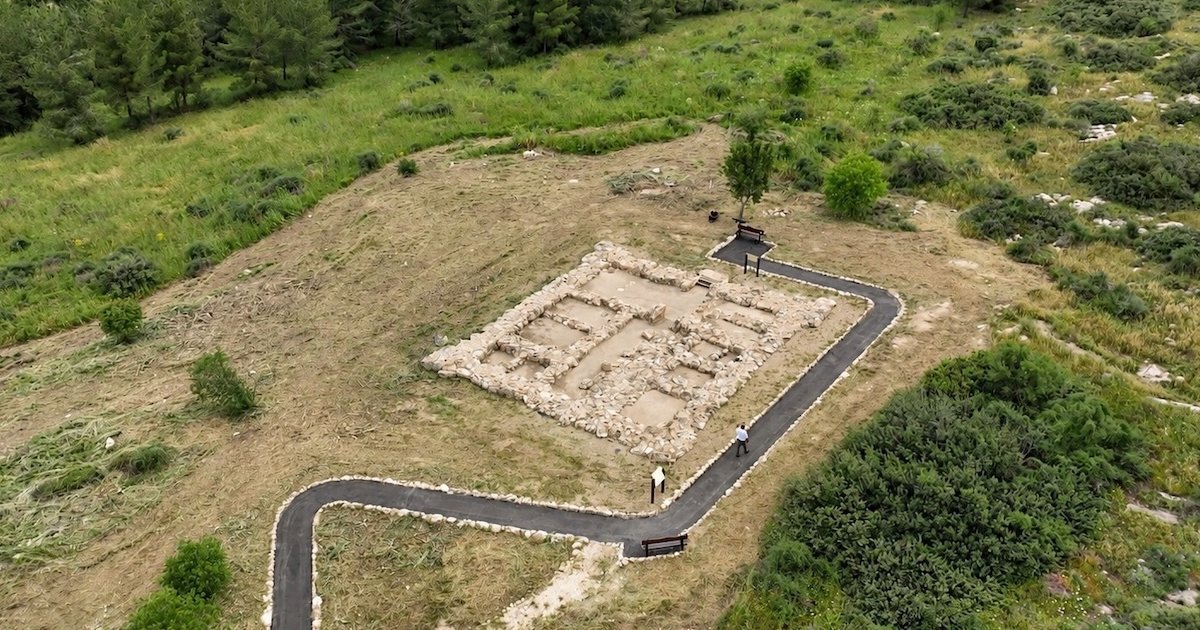
KKL-JNF and the Israel Antiquities Authority have completed restoration and accessibility work at Gal’on Fortress in Israel’s Guvrin Forest. Dating to the 12th century BC, the site contains remains of a larger structure used over several centuries and is now open with visitor facilities, trails, signage, parking, and picnic areas. Archaeologists say its strategic location offers insight into the regional conflicts involving Canaanites, Israelites, and Philistines during the era associated with the Book of Judges. Volunteers and young people participated in the excavations.
Watchmen Signals
The Book of Judges describes the period, peoples, and conflicts associated with the historical setting in which Gal’on Fortress is dated. The restored fortress is not named in Scripture, and archaeology does not prove every biblical detail, but the site gives visitors access to a tangible setting connected with the Canaanite, Israelite, and Philistine world described in Judges.
The restoration of Gal’on Fortress preserves and opens an ancient site; it does not correspond to a specific future event described in biblical prophecy. Its connection to Scripture is historical, through the period and regional conflicts associated with Judges, rather than prophetic fulfillment.
The restoration and public inauguration are scheduled cultural and archaeological activities with no immediate threat, crisis, or rapidly changing consequence requiring prompt notification.
Biblical Context
The Gal’on Fortress is presented as a site dating to the 12th century BC, the period associated with the events of Judges. Judges 3:1–5 describes nations remaining in the land, including Canaanite groups and the Philistines, and explains that these peoples became part of Israel’s continuing historical and military experience. That passage provides a direct biblical framework for the article’s reference to a region shaped by interaction and conflict among Canaanites, Israelites, and Philistines. The connection should remain carefully limited. Scripture does not identify Gal’on Fortress by name, and the archaeological interpretation cannot prove every detail recorded in Judges. The restoration itself is a modern preservation project, not a biblical event or prophetic development. Its biblical significance lies in giving the public access to an archaeological setting associated with the era and regional circumstances described in Judges.
Biblical Sources
Scripture references supporting the biblical context above.
This passage identifies peoples left in the land, including Canaanite groups and the Philistines, and describes their role in Israel’s continuing historical experience during the period of the Judges. It supports the article’s description of Gal’on Fortress as part of a regional setting marked by interaction and conflict among these peoples.
Comments
No comments yet.
Sign in to join the conversation.
Sign InStay Informed. Grow in Biblical Understanding.
Explore important news from around the world through the context of God's Word. Create your FREE Watchmen account to discover more news analysis, Biblical Insights, and Scripture-based perspectives.
Create Your FREE AccountFree to join. No credit card required.