Netanyahu alleges fraud as Arab parties score record gains — emerge as potential kingmakers
Summary
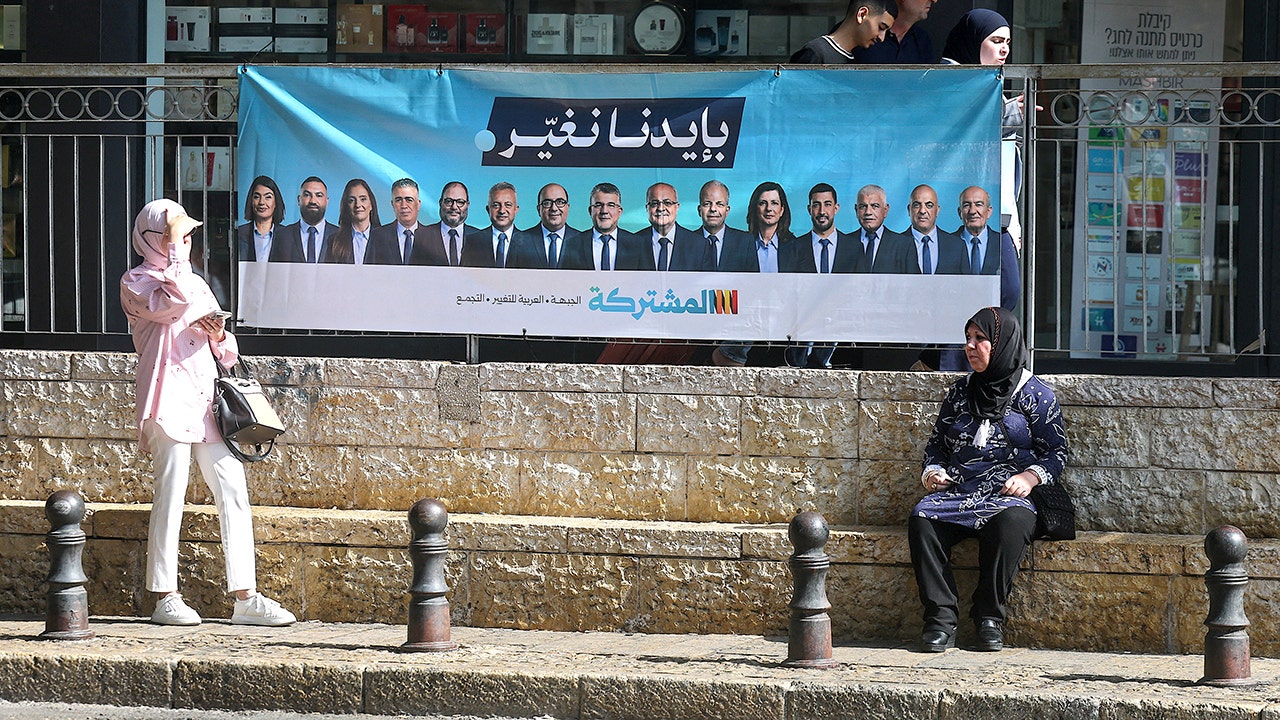
Israel’s Arab parties were projected to win 19 Knesset seats as neither Prime Minister Benjamin Netanyahu’s right-wing bloc nor the centrist opposition bloc reached the 61-seat majority needed to form a government. Netanyahu alleged widespread criminal activity in Arab polling stations, including bribery, intimidation, multiple voting, forged ballots, and prohibited voter-mobilization software, and called for investigations. More than 90% of ballots had been counted, but the allegations had not been independently verified. The results left Arab parties potentially influential in coalition negotiations, despite major parties’ promises not to rely on them.
Watchmen Signals
Israel’s unresolved coalition battle, accusations of election fraud, and debate over Arab citizens’ participation in government raise concrete questions about impartial justice, truthful testimony, and the proper exercise of ruling authority. Scripture speaks directly to those responsibilities, although it does not determine which Israeli parties should govern or settle the allegations.
The election results, accusations of misconduct, and coalition uncertainty do not correspond with enough specificity to a particular prophetic passage. Israel’s political division and the presence of Arab parties are not, by themselves, evidence that a biblical prophecy is being fulfilled.
The election has produced an unresolved government-formation process, with more than 90% of ballots counted and neither major bloc holding a majority. Coalition negotiations, investigations, and possible shifts in support could change Israel’s political direction, though the situation does not require immediate emergency notification.
Biblical Context
Israel’s political impasse and the accusations surrounding voting bring biblical principles of impartial justice, truthful testimony, and accountable government into view. Deuteronomy requires judges and officials to judge fairly, reject partiality, and pursue justice; that principle applies to investigations of alleged misconduct as well as to the treatment of political minorities. Exodus 23 warns against spreading false reports and accepting bribes, while also requiring impartiality—an especially relevant balance when serious election accusations are made but not yet established. Proverbs 29:2 connects righteous rule with public flourishing and describes the people’s response to oppressive or wicked governance. It does not provide a direct assessment of any Israeli party or coalition, but it supports attention to whether political power is exercised for justice rather than factional advantage. Romans 13:1-4 describes government authority as having a legitimate role in restraining wrongdoing and promoting order. That passage supports lawful, evidence-based investigation of alleged electoral crimes, but it does not imply that every governmental accusation is true or that Christians must endorse a particular coalition. The article’s account of Arab citizens seeking representation and possible policy concessions also raises questions of equal civic treatment and the responsible use of political authority. Scripture supports justice and honesty in public affairs, but these passages do not settle Israel’s constitutional debates, determine which parties should govern, or identify the election as a fulfillment of prophecy. The connection is therefore principled and relevant, not predictive.
Biblical Sources
Scripture references supporting the biblical context above.
Officials are instructed to judge the people fairly, reject partiality, and pursue justice. These principles apply to impartial handling of election allegations and to fair treatment in public decision-making.
The passage warns against spreading false reports, following a crowd into wrongdoing, showing partiality, and accepting bribes. It provides a direct ethical framework for evaluating claims of election fraud and the need for careful, unbiased investigation.
The proverb contrasts the effects of righteous and wicked rule, supporting scrutiny of whether political authority is exercised for the public good rather than factional interest.
Paul describes governing authority as having responsibility to maintain order and punish wrongdoing. The passage supports lawful investigation of alleged criminal conduct while not validating unproven political claims.
Comments
No comments yet.
Sign in to join the conversation.
Sign InStay Informed. Grow in Biblical Understanding.
Explore important news from around the world through the context of God's Word. Create your FREE Watchmen account to discover more news analysis, Biblical Insights, and Scripture-based perspectives.
Create Your FREE AccountFree to join. No credit card required.