The Campaign To Defend Trans Healthcare in Missouri Is Slow Going, on Purpose
Summary
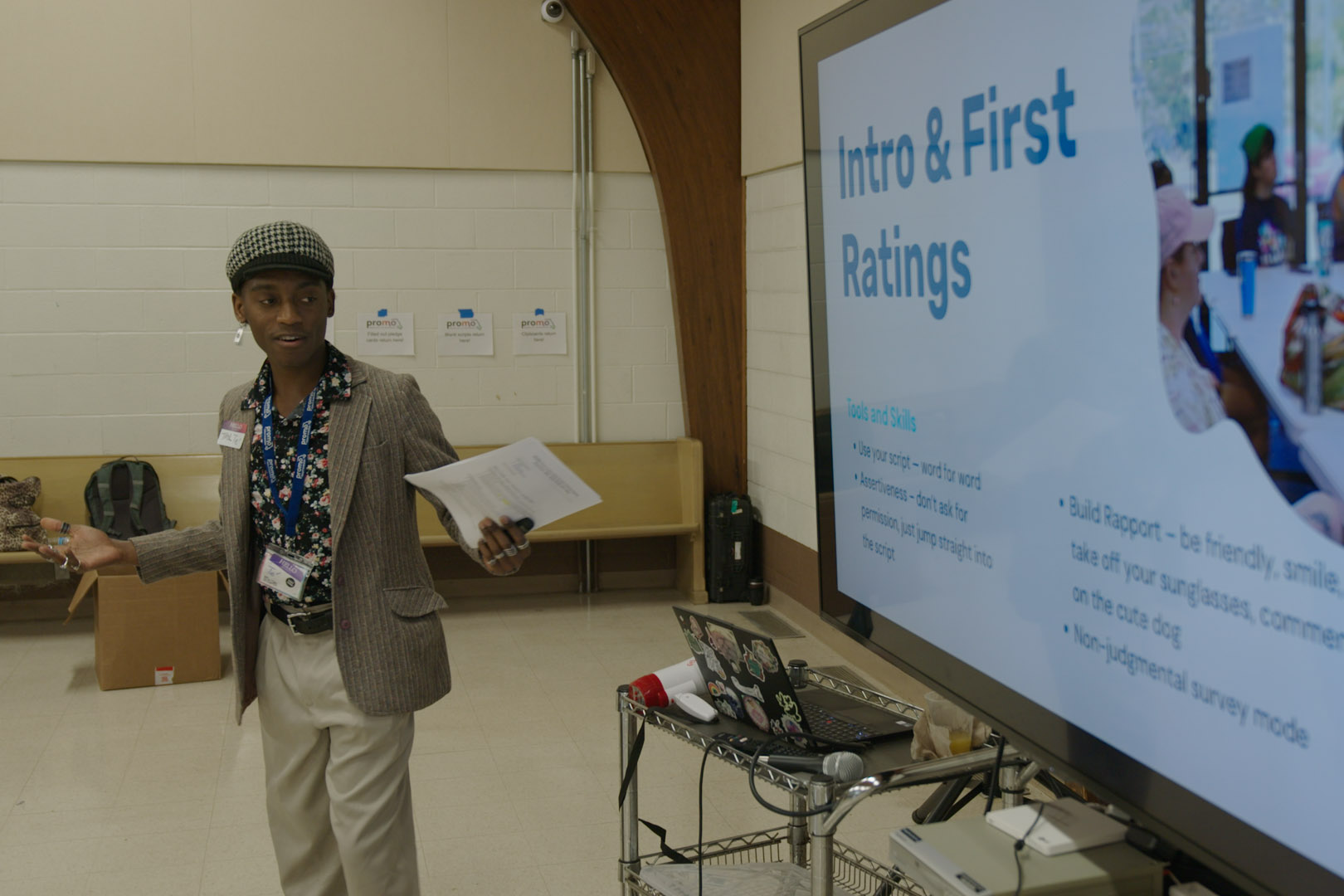
Missouri voters are considering a constitutional amendment that would reinstate a near-total abortion ban and permanently prohibit gender-transition surgeries, puberty blockers, and cross-sex hormones for minors. PROMO Missouri, an LGBTQ+ advocacy group, is conducting a 100,000-door “deep canvassing” campaign aimed at persuading voters who oppose abortion restrictions but are uncertain about transgender-care limits. A cited poll shows the measure narrowly trailing among likely voters, with 13% undecided. The article also reports that such treatments and surgeries for minors are relatively uncommon.
Watchmen Signals
Missouri voters are deciding policies involving abortion, the protection of minors, medical judgment, and the limits of government authority. Scripture speaks meaningfully to the value of human life, care for children, justice, and personal responsibility, although it does not directly prescribe a modern legal framework for gender-transition treatment or this specific ballot measure.
No particular biblical prophecy describes a Missouri constitutional amendment, an American election campaign, or this dispute over abortion and transgender healthcare. Moral conflict and social change may resemble broad biblical themes, but those similarities do not establish prophetic fulfillment.
The canvassing effort and polling describe an ongoing election campaign rather than a sudden decision, emergency, or rapidly escalating event requiring immediate notification.
Biblical Context
Human life, the protection of children, and moral responsibility are the clearest biblical points of contact. Genesis 1:27 presents human beings as made in God's image, while Psalm 139:13-16 speaks of God's knowledge and formation of human life in the womb. These passages support the importance of human dignity and life, although they do not directly settle modern questions about abortion statutes or gender-transition medicine. Jesus gives special weight to the welfare of children and warns against causing them harm in Matthew 18:6. That principle is relevant to the competing claims in the Missouri debate: one side emphasizes protecting minors from interventions it considers harmful, while the other emphasizes providing care to children experiencing distress. Scripture establishes a serious duty to protect children, but it does not specify which contemporary medical policies fulfill that duty. The amendment is also a question of public authority. Romans 13:1-4 describes government as having authority to restrain wrongdoing and pursue public order, while Proverbs 31:8-9 calls for defending vulnerable people and pursuing justice. These passages can inform reflection on legislation, but they do not identify a particular abortion law or medical regulation as biblically mandated. Romans 14:1-4 and 14:12 further caution against treating disputed matters of conscience as though every sincere judgment carries the same certainty before God. The article's account of voters separating their personal morals from government policy makes that distinction relevant, though the medical and legal questions still require factual and ethical judgment beyond the cited texts. No specific biblical prophecy predicts a Missouri ballot measure, an American election campaign, or this debate over abortion and transgender healthcare. The story therefore supports moral and civic reflection rather than a claim that prophecy is being fulfilled.
Biblical Sources
Scripture references supporting the biblical context above.
Human beings are described as created in God's image, supporting the biblical importance of human dignity in debates involving life and medical decisions.
Jesus gives a grave warning about causing harm to vulnerable children, a principle relevant to competing claims about protecting minors from or providing them with disputed medical treatments.
The passage calls for defending those who cannot adequately speak for themselves and pursuing justice, a principle relevant to claims about protecting children and other vulnerable people.
The psalm portrays God as knowing and forming human life in the womb, providing a relevant biblical foundation for concern about unborn life and human worth.
Paul describes the governing authority's responsibility to restrain wrongdoing and serve public order, illuminating the debate over whether government should prohibit particular medical practices.
Paul urges restraint in disputes over contested matters and warns against judging another servant of God, offering context for the article's distinction between personal conviction and government compulsion.
The verse emphasizes personal accountability before God, relevant to the moral responsibility of voters, parents, medical professionals, and public officials without resolving the policy dispute itself.
Comments
No comments yet.
Sign in to join the conversation.
Sign InStay Informed. Grow in Biblical Understanding.
Explore important news from around the world through the context of God's Word. Create your FREE Watchmen account to discover more news analysis, Biblical Insights, and Scripture-based perspectives.
Create Your FREE AccountFree to join. No credit card required.