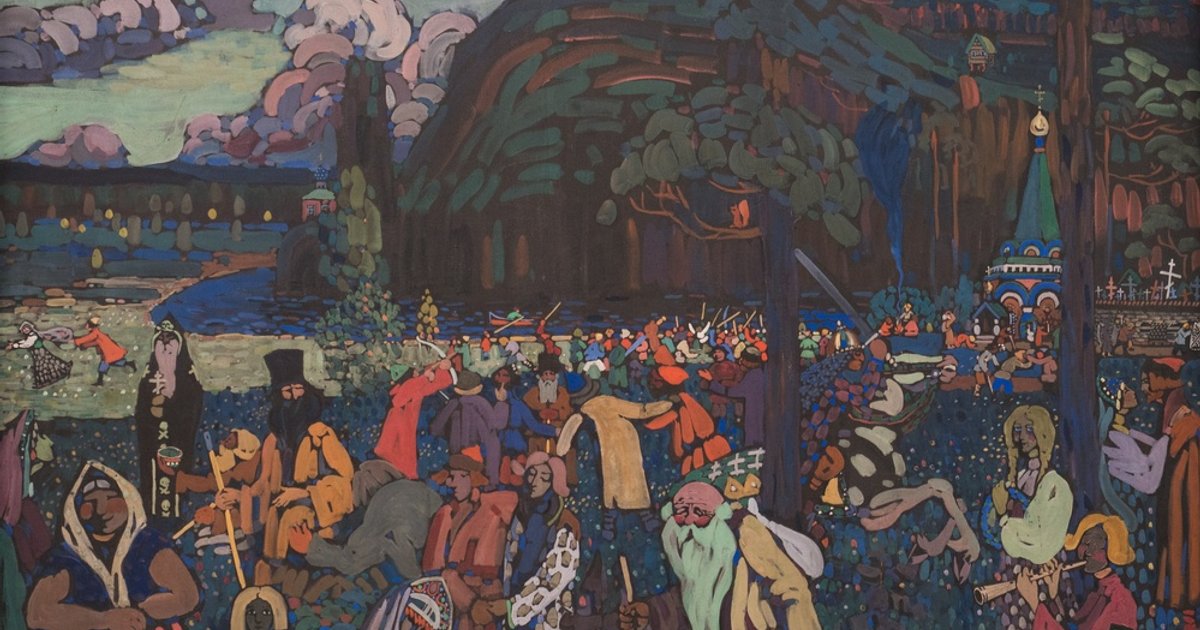
Nazi-looted painting returned to Jewish heirs, sells for $42 million
Summary
A Kandinsky painting stolen by the Nazis from Dutch-Jewish industrialists Emanuel Lewenstein and Hedwig Lewenstein Weyermann was returned to their heirs in 2023 and sold at a London auction for about $42 million. “The Colorful Life,” painted in 1907, exceeded its estimate after a six-minute bidding contest. The sale renews attention to Nazi art theft, which affected hundreds of thousands of works and Jewish-owned assets across Europe. Many artworks and cultural objects remain missing or unrestituted despite decades of recovery efforts.
Watchmen Signals
Nazi persecution of the Lewenstein family, the theft of their painting, and its eventual return raise clear biblical concerns about stealing, oppression, justice, and restitution. Exodus 20:15 and Isaiah 1:17 speak directly to those moral issues, while Luke 19:8 offers a relevant example of restoring what was wrongfully taken.
The Kandinsky’s restitution and sale document historical Nazi persecution, property theft, and a continuing effort to restore cultural assets. Scripture provides no specific prophecy identifying this painting, this family, or the auction, so the events should not be presented as prophetic fulfillment.
The auction has already occurred, and the restitution took place in 2023. No immediate threat, crisis, or rapidly changing situation requires prompt notification.
Biblical Context
The theft of the Kandinsky painting and the persecution of the Lewenstein family fit directly within biblical teaching against stealing and oppression. Exodus 20:15 prohibits taking another person’s property, while Isaiah 1:17 calls for justice and defense of the oppressed. These passages do not address Nazi-looted art specifically, but they provide clear moral categories for evaluating the seizure of Jewish property and the long delay in addressing it. The painting’s return to the heirs also has a limited but meaningful connection to the biblical principle of restitution. In Luke 19:8, Zacchaeus responds to repentance by promising to repay those he has defrauded. His personal act cannot be equated mechanically with a modern government, bank, museum, or auction process, but it illustrates that acknowledging wrongdoing and restoring what was wrongfully taken are morally significant responses. The article reports a historical act of persecution, theft, recovery, and sale—not the fulfillment of a biblical prophecy. Scripture supports the ethical evaluation of these events, but it does not identify this particular artwork, auction, or restitution effort as a prophetic sign.
Biblical Sources
Scripture references supporting the biblical context above.
The command not to steal directly addresses the Nazi seizure of the Lewenstein family’s painting and the broader confiscation of Jewish-owned property described in the article.
Isaiah’s call to seek justice and defend the oppressed provides a biblical framework for condemning Nazi persecution and valuing later efforts to recover property taken from its victims.
Zacchaeus’s pledge to repay those he defrauded illustrates the biblical significance of restitution, while remaining distinct from the modern legal and institutional process described here.
Comments
No comments yet.
Sign in to join the conversation.
Sign InStay Informed. Grow in Biblical Understanding.
Explore important news from around the world through the context of God's Word. Create your FREE Watchmen account to discover more news analysis, Biblical Insights, and Scripture-based perspectives.
Create Your FREE AccountFree to join. No credit card required.