Canada's measles outbreak exposes vulnerabilities in disease elimination efforts
Summary
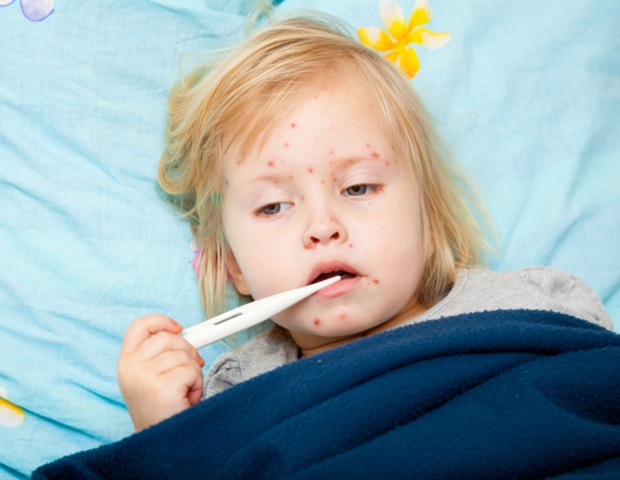
A measles outbreak in Ontario and several other Canadian provinces involved 2,377 cases between October 28, 2024, and October 6, 2025, helping Canada lose its measles-elimination status in November 2025. Most patients were unvaccinated and belonged to historically under-vaccinated communities connected across Canada, the United States, Mexico, and beyond. The outbreak caused 166 hospitalizations, 13 intensive-care admissions, pregnancy-related infections, congenital infections, encephalitis, and one infant death. Researchers warn that reported totals may underestimate the outbreak’s full impact.
Watchmen Signals
Measles transmission, isolation, community protection, and care for vulnerable people connect with biblical laws that treat contagious disease as a communal responsibility, especially Leviticus 13–14 and Deuteronomy 24:8–9. Scripture does not address vaccination or modern immunization systems, so the connection concerns shared health and protection principles rather than a direct endorsement of a particular medical policy.
Canada’s measles outbreak involves a serious but recognizable public-health failure, not a distinctive event identified by a particular biblical prophecy. Biblical references to pestilence describe broad conditions and cannot establish that this outbreak represents an end-times fulfillment.
The outbreak occurred from October 2024 through October 2025, and the study offers a retrospective analysis rather than reporting a sudden new escalation requiring immediate notification.
Biblical Context
Leviticus 13–14 presents contagious disease as a communal concern rather than merely a private medical matter. In the context of ancient Israel, people with suspected infectious skin disease could be examined, separated from the community, and later evaluated for restoration. Those regulations are not a blueprint for modern vaccination policy, but they establish a biblical concern for limiting transmission and protecting the wider community. Deuteronomy 24:8–9 likewise commands Israel to follow careful instructions concerning serious skin disease, reinforcing the principle that communal health precautions should not be treated casually. The measles study concerns modern immunization, surveillance, and culturally appropriate public-health engagement—subjects Scripture does not address directly. Its connection to biblical teaching therefore rests on the broader principles of responsible disease control, protection of vulnerable people, and concern for neighbors, including infants and pregnant women. Nothing in the outbreak identifies a particular prophetic event or fulfills a specific biblical prediction.
Biblical Sources
Scripture references supporting the biblical context above.
Moses instructed Israel to follow carefully the prescribed procedures for serious skin disease, reinforcing the importance of taking communicable-disease precautions seriously.
These verses required a person with a suspected contagious skin disease to live outside the camp, illustrating the biblical concern to limit infectious spread and protect the community.
These verses describe examination and a process for determining whether a person previously isolated from the community had been healed, supporting the principle of careful communal health oversight.
Comments
No comments yet.
Sign in to join the conversation.
Sign InStay Informed. Grow in Biblical Understanding.
Explore important news from around the world through the context of God's Word. Create your FREE Watchmen account to discover more news analysis, Biblical Insights, and Scripture-based perspectives.
Create Your FREE AccountFree to join. No credit card required.