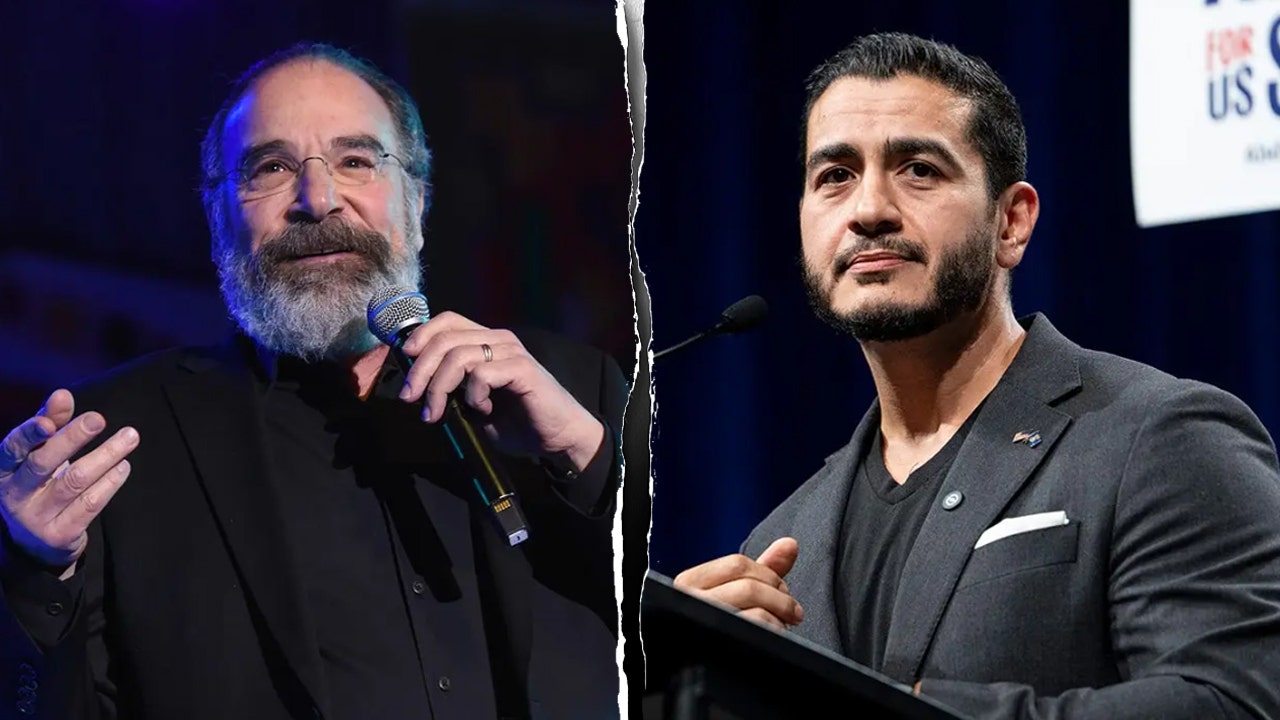
Actor Mandy Patinkin urges Jewish voters to support Abdul El-Sayed for their own 'safety'
Summary
Actor Mandy Patinkin, who is Jewish, is urging Jewish voters in Michigan to support Democratic Senate candidate Abdul El-Sayed, arguing that Jewish safety depends on a multiracial democracy. Patinkin also criticized efforts to portray El-Sayed’s Muslim identity as threatening. Rabbi Yaakov Menken disputed that endorsement, citing El-Sayed’s past comments about a synagogue attack, Jewish hostages, Israel, and alleged Muslim Brotherhood ties. The report notes that both campaigns did not immediately respond to Fox News Digital’s requests for comment.
Watchmen Signals
A reported synagogue attack, competing claims about Jewish safety, and allegations of religious and ethnic discrimination directly engage biblical duties concerning impartial justice, protection of the vulnerable, and the responsibilities of civil authorities. Scripture does not, however, determine which candidate’s political claims are truthful or endorse a particular party.
No particular prophetic passage corresponds specifically to a contested Senate endorsement, a synagogue attack, or disputed allegations about antisemitism and religious identity. These events raise serious moral and public-safety questions, but general hostility, political conflict, and violence do not establish prophetic fulfillment.
The synagogue attack occurred earlier, while the new developments are campaign videos, endorsements, and political responses. Nothing described indicates a fresh attack, immediate emergency, or rapidly escalating event requiring prompt notification.
Biblical Context
A reported attack on a synagogue and the dispute over whether political rhetoric protects or endangers Jews bring several biblical duties into view. Scripture repeatedly condemns partiality in judgment and requires leaders and communities to defend people who may be vulnerable to violence or discrimination. Leviticus 19:15 calls for impartial justice, while Exodus 23:6-9 warns against denying justice and commands fair treatment of the stranger. Those principles apply to evaluating both the reported attack and the competing claims about discrimination against Jews, Muslims, and Arabs. Proverbs 31:8-9 calls those with authority to speak for people whose rights are threatened and to judge fairly. That offers a relevant standard for public leaders and voters, but it does not identify a particular candidate or political party as biblically approved. Romans 13:1-4 describes civil authority as having a responsibility to restrain wrongdoing and promote public order; it therefore bears on the government’s duty to protect houses of worship and their congregants, while leaving room to question whether specific political claims are accurate. Deuteronomy 10:17-19 grounds impartial treatment of the vulnerable and the outsider in God’s own character. The passage supports rejecting collective suspicion based solely on ethnicity or religious identity, but it does not require ignoring credible evidence of extremist associations or threatening conduct. The article’s political endorsements and allegations must therefore be assessed carefully: Scripture supplies standards of justice, protection, and impartiality, not a direct verdict on El-Sayed, Rogers, Patinkin, or the competing campaign narratives. No specific prophetic passage is established by these events.
Biblical Sources
Scripture references supporting the biblical context above.
God's impartiality and his command to love and protect the sojourner support rejecting identity-based suspicion while still evaluating specific conduct and evidence responsibly.
These laws prohibit denying justice and require protection from oppression, offering a direct ethical framework for considering violence against a synagogue and discrimination against religious minorities.
The command to judge fairly without partiality supports evaluating accusations about Jewish, Muslim, and Arab identity without favoritism or prejudice.
The call to speak for those whose rights are threatened and to judge righteously relates to the responsibilities claimed for political leaders and voters.
Paul describes civil government as responsible for public order and for restraining wrongdoing, relevant to the protection of houses of worship and their congregations.
Comments
No comments yet.
Sign in to join the conversation.
Sign InStay Informed. Grow in Biblical Understanding.
Explore important news from around the world through the context of God's Word. Create your FREE Watchmen account to discover more news analysis, Biblical Insights, and Scripture-based perspectives.
Create Your FREE AccountFree to join. No credit card required.