With over 85% of votes counted, Israeli elections end without clear path to viable coalition
Summary
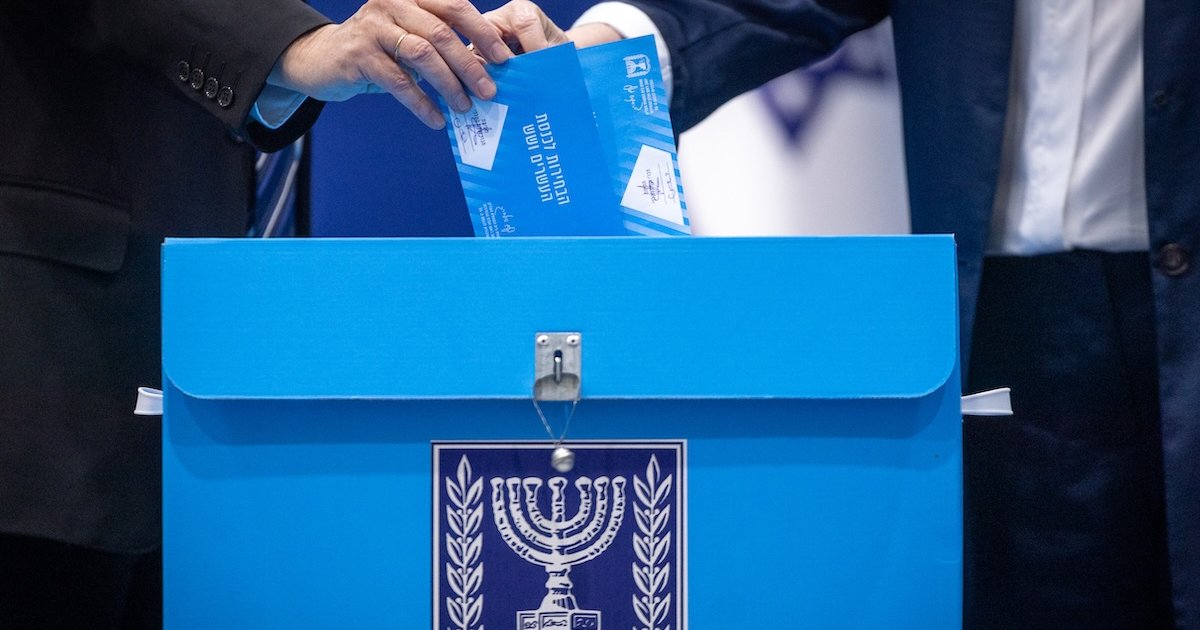
With 85.6% of ballots counted, Israel’s Central Election Committee projected Benjamin Netanyahu’s Likud as the largest party, with 26 of 120 Knesset seats. Netanyahu’s bloc was projected at 53 seats, while Gadi Eisenkot’s bloc held 48—leaving neither near the 61-seat majority required to form a government. Coalition talks are expected, but leaders have largely remained quiet. The final count, including double envelopes, could alter the totals slightly. Likud also accused Arab parties of election violations, allegations it said were being referred to authorities.
Watchmen Signals
Israel’s inconclusive election places questions of public authority, impartial justice, political accountability, and the treatment of Jewish and Arab citizens at the center of coalition negotiations. Scripture speaks directly to those responsibilities, although it does not prescribe Israel’s parliamentary system or determine which bloc should govern.
The reported seat totals, coalition negotiations, allegations of election violations, and possibility of another Israeli election do not correspond with enough specificity to a particular biblical prophecy. Israel’s political importance and internal divisions, by themselves, are not evidence that a prophetic passage is being fulfilled.
The vote count is still incomplete, and coalition negotiations are only beginning, so the political situation may change over the next several days. It warrants continued attention but does not yet require urgent notification.
Biblical Context
The election exposes questions Scripture repeatedly places before rulers and communities: whether public authority is exercised justly, whether accusations are handled truthfully, and whether citizens are treated impartially. Israel’s modern parliamentary system and the particular coalition arithmetic are not prescribed in the Bible, so these passages provide principles for evaluating the conduct of leaders and institutions rather than predictions about the election’s outcome. Deuteronomy 16:18-20 calls for judges and officials to administer true justice without showing partiality or accepting bribes. That principle is relevant to the reported allegations of bribery, threats, forgery, and prohibited election technology, although the article does not establish that any accusation is true. Allegations should therefore be investigated through lawful and impartial procedures rather than converted into political conclusions before verification. Romans 13:1-4 describes civil authority as accountable to God for maintaining order and restraining wrongdoing. It does not endorse every government decision or settle which Israeli bloc should govern, but it underscores the seriousness of political authority and the responsibility of public institutions to act lawfully. Proverbs 29:2 connects public leadership with the welfare of a people, while James 2:1-9 condemns partiality. Together, these texts illuminate the article’s concerns about coalition power, public trust, and claims that ethnic or political identity is influencing participation in government. Scripture does not, however, identify the election results as fulfillment of a particular prophecy.
Biblical Sources
Scripture references supporting the biblical context above.
Officials are commanded to administer true justice, avoid partiality, and reject bribes. This directly informs the need for impartial investigation of the election-violation allegations reported in the article.
James condemns partiality based on status and identity. That principle bears on the article’s claims about racism, Arab participation, and whether political cooperation is being judged fairly, while not proving any specific allegation.
The verse links righteous leadership with the well-being of a people, making it relevant to the competing efforts to form Israel’s next government and the public consequences of prolonged political deadlock.
Civil authorities are presented as accountable servants responsible for maintaining order and confronting wrongdoing. The passage provides a framework for considering the duties of Israel’s political and election institutions without endorsing a particular coalition.
Comments
No comments yet.
Sign in to join the conversation.
Sign InStay Informed. Grow in Biblical Understanding.
Explore important news from around the world through the context of God's Word. Create your FREE Watchmen account to discover more news analysis, Biblical Insights, and Scripture-based perspectives.
Create Your FREE AccountFree to join. No credit card required.