UCSF scientists develop smart CAR-T cells to fight childhood brain tumors
Summary
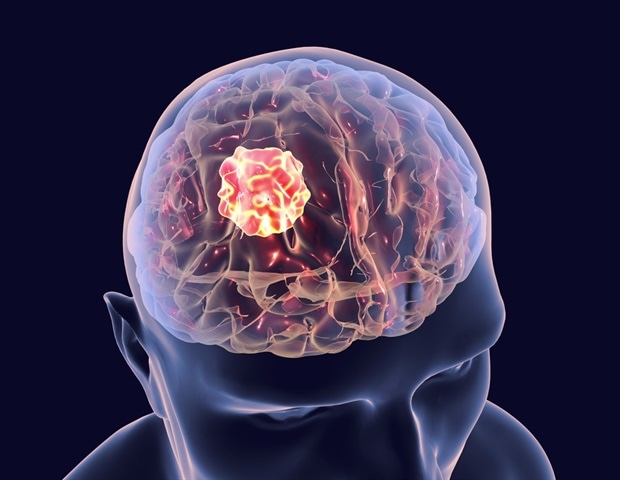
UC San Francisco researchers have developed B-SYNC CAR-T cells that remain inactive outside the brain and activate after detecting brevican in brain tissue. In mouse models of diffuse midline glioma, an aggressive childhood brain cancer, the therapy cleared tumors and remained effective against new cancer cells introduced nearly seven weeks later. The treatment outperformed conventional CAR-T cells in the reported experiments. Researchers are preparing potential UCSF clinical trials, possibly beginning in April 2027, but the therapy has not yet been tested in humans and its safety and effectiveness remain unproven.
Watchmen Signals
Children with diffuse midline glioma face severe suffering and an exceptionally high risk of death, while researchers and clinicians are working to preserve their lives. Jesus’ commands to show practical compassion toward people in distress and to care for those in need speak meaningfully to that human situation, although Scripture does not specifically address CAR-T research or this disease.
The reported development is an experimental cancer treatment moving from mouse studies toward possible human trials. No specific biblical prophecy describes CAR-T therapy, childhood brain cancer, or this laboratory advance, so the medical findings should not be treated as evidence of prophetic fulfillment.
The research represents a new and potentially important medical advance, with clinical trials being prepared for as early as 2027. It does not require immediate notification because human testing has not yet begun and the evidence remains preclinical.
Biblical Context
Children facing diffuse midline glioma, along with their families and caregivers, represent people in profound vulnerability and suffering. Jesus’ teaching in Luke 10:30–37 commends compassionate action toward a person in distress, while Matthew 25:35–40 emphasizes caring for people in need as an expression of responsibility before God. Those passages support compassion, practical care, and attention to vulnerable lives; they do not specifically endorse CAR-T technology or guarantee that this experimental therapy will succeed. The researchers’ effort to reduce suffering through careful medical investigation can be viewed as consistent with these principles, provided that human trials proceed with appropriate protection, informed consent, honesty about uncertainty, and attention to risks. Scripture does not identify a prophetic meaning in this laboratory development, and the reported mouse results should not be presented as evidence that any biblical prophecy is being fulfilled.
Biblical Sources
Scripture references supporting the biblical context above.
Jesus’ parable of the Good Samaritan presents compassionate, practical care for a suffering and vulnerable person. It provides a direct ethical connection to efforts to help children facing a lethal brain cancer, without specifically addressing modern medical technology.
Jesus identifies compassionate care for people in need with service rendered to Him. The passage supports serious concern for sick children and their families, while not prescribing a particular treatment or validating the therapy’s effectiveness.
Comments
No comments yet.
Sign in to join the conversation.
Sign InStay Informed. Grow in Biblical Understanding.
Explore important news from around the world through the context of God's Word. Create your FREE Watchmen account to discover more news analysis, Biblical Insights, and Scripture-based perspectives.
Create Your FREE AccountFree to join. No credit card required.