Iranians Cut Essentials as War Hit Economy Deepens Hardship
Summary
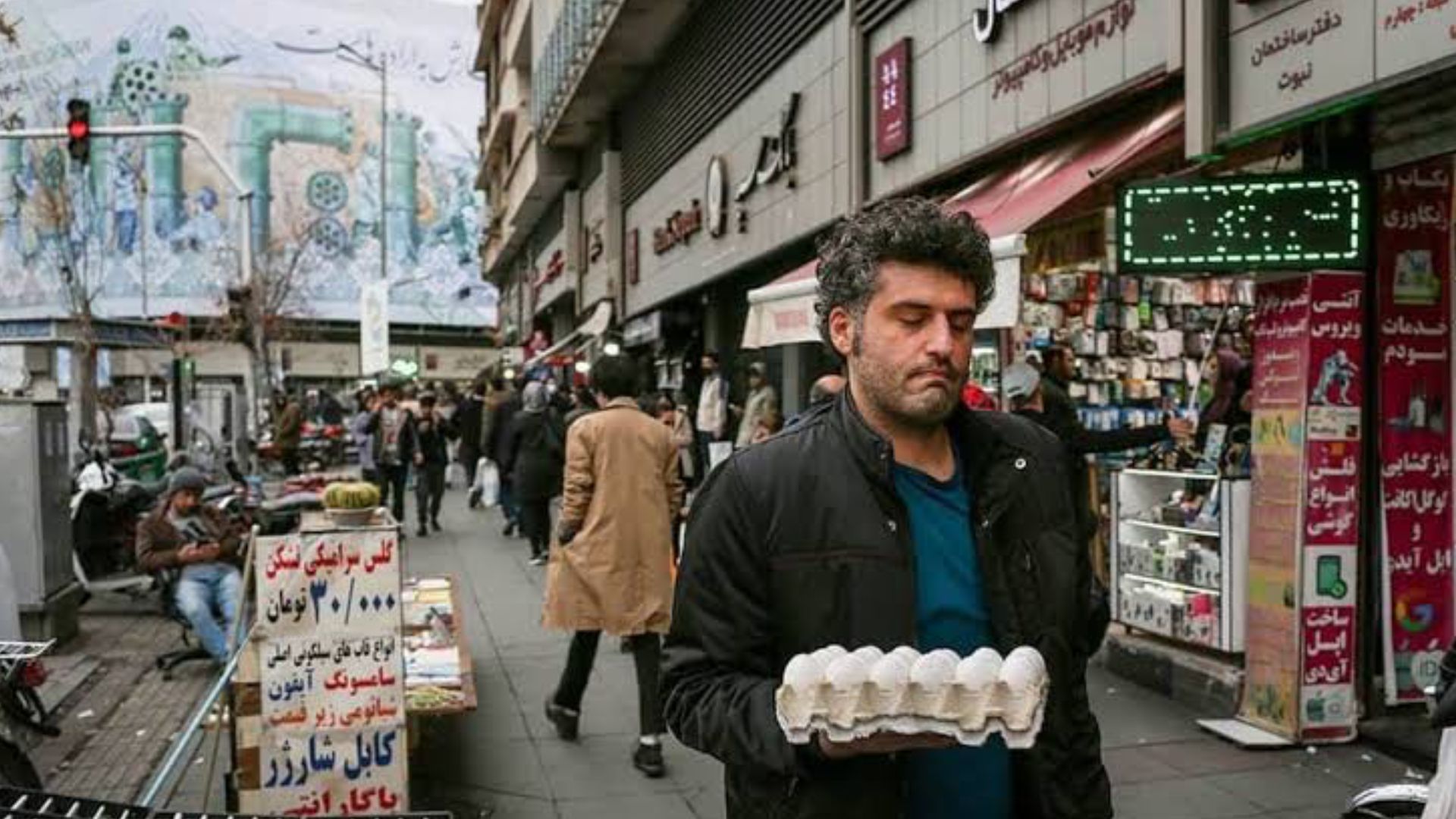
War-related economic strain is forcing ordinary Iranians to cut spending on essential goods and postpone major life decisions. Families are concentrating on immediate needs as financial pressure erodes their living standards and limits their ability to plan for the future. The account does not provide figures, identify the conflict’s specific economic mechanisms, or independently verify individual cases, but it portrays a widening civilian cost: prolonged uncertainty is affecting household choices well beyond military operations and government finances.
Watchmen Signals
Ordinary Iranian families are reportedly cutting back on essentials and losing the ability to plan because war-related economic pressure is narrowing their choices. Proverbs 31:8-9, James 2:15-16, and Deuteronomy 15:7-11 speak directly to the duty to notice, defend, and assist people facing serious material need, while leaving specific economic policy questions open.
The reported hardship does not correspond with enough specificity to a particular biblical prophecy. War-driven poverty, uncertainty, and the involvement of Iran are broad circumstances found in many periods; the supplied facts do not establish the distinctive events, actors, or sequence described by a specific prophetic passage.
The financial strain is serious but reflects an ongoing consequence of the war rather than a sudden event requiring immediate notification. No new escalation, emergency action, or rapidly changing circumstance is identified.
Biblical Context
Economic hardship places a particular responsibility on people and communities to recognize material need rather than ignore it. Proverbs 31:8-9 calls for defending those who cannot adequately speak for themselves and pursuing justice for the vulnerable; that principle applies to ordinary families whose choices are being constrained by war-related deprivation. James 2:15-16 addresses believers who encounter a brother or sister lacking clothing and daily food and warns that verbal concern without practical help is inadequate. The passage does not prescribe a specific economic policy, but it directly challenges indifference toward people facing basic material need. Deuteronomy 15:7-11 likewise instructs God’s people not to harden their hearts or close their hands toward impoverished neighbors, while recognizing that poverty exists in the community. This provides a broader Old Testament framework for generosity and responsibility toward households in distress. These passages illuminate the reported human suffering; they do not identify Iran’s war-hit economy as a fulfillment of prophecy, nor do they establish which governmental or economic measures should be adopted.
Biblical Sources
Scripture references supporting the biblical context above.
These verses instruct God’s people not to harden their hearts or close their hands toward impoverished neighbors, providing a relevant biblical principle for responding to war-related household deprivation.
James uses the example of believers lacking daily necessities to show that compassionate words without practical care are insufficient, directly relating to families struggling to afford essentials.
The passage calls for speaking up for those who cannot adequately speak for themselves and defending the rights of the poor and needy, supporting concern for civilians whose basic choices are being restricted by severe economic pressure.
Comments
No comments yet.
Sign in to join the conversation.
Sign InStay Informed. Grow in Biblical Understanding.
Explore important news from around the world through the context of God's Word. Create your FREE Watchmen account to discover more news analysis, Biblical Insights, and Scripture-based perspectives.
Create Your FREE AccountFree to join. No credit card required.