Peltola campaign's alleged Dan Sullivan spoiler plot takes new turn as DOJ faces major legal hurdle
Summary
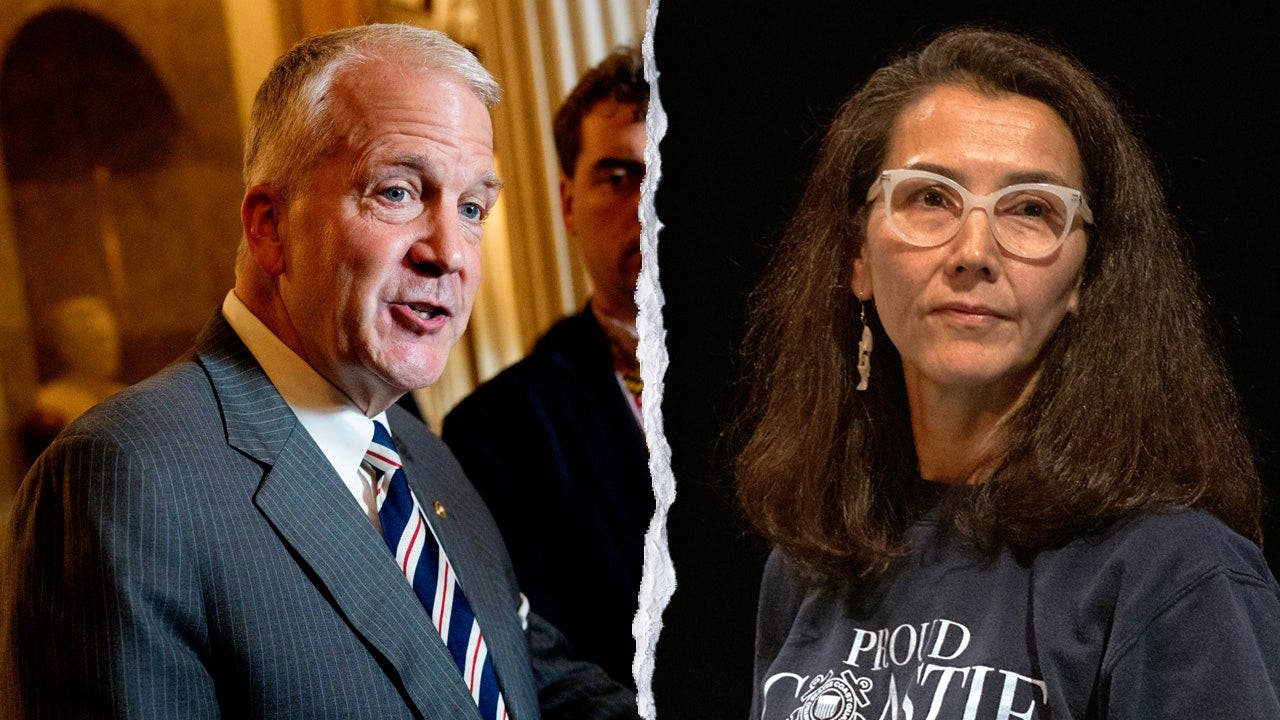
The Justice Department is asking a federal court to delay certification of Alaska’s Senate election if Republican Sen. Dan Sullivan loses and votes for another candidate named Daniel J. Sullivan may have changed the outcome. The DOJ alleges that the second candidate’s presence could confuse voters, while Democrats deny recruiting him as a spoiler and argue federal law does not govern ballot design. Alaska officials and courts have already disputed the candidate’s eligibility. Ranked-choice voting and ballot secrecy could make any post-election investigation difficult to prove.
Watchmen Signals
Allegations that political operatives sought to confuse voters, disputes over whether officials acted within their lawful authority, and questions about how election results should be judged all touch Scripture’s concern for truthful conduct, impartial judgment, and justice in public leadership. Deuteronomy 16:19–20 and Proverbs 12:22 provide relevant principles, although the Bible does not specifically address ranked-choice ballots or modern election litigation.
No particular biblical prophecy describes a disputed U.S. Senate ballot, similar candidate names, or litigation over election certification. General biblical themes involving political conflict, deception, or governmental authority do not establish that this event fulfills a prophetic passage.
The DOJ lawsuit and pending dismissal motions create an evolving legal dispute before Election Day. No certification has been halted and no immediate emergency is described, so prompt notification is not yet warranted.
Biblical Context
A disputed ballot strategy and a proposed federal intervention place truthfulness, impartial judgment, and lawful authority at the center of the controversy. Deuteronomy 16:19–20 forbids judges from perverting justice, showing partiality, or accepting improper influence, and calls for leaders to pursue what is just. That principle bears on any attempt to manipulate voter choices, conceal the nature of a candidacy, or decide an election dispute according to partisan preference rather than evidence. Proverbs 12:22 commends truthful speech and condemns lying lips. The allegations that political operatives recruited a similarly named candidate, alongside the campaign’s denials, make honesty and careful verification important; the passage does not establish which account is true. It supports a standard of truthful conduct rather than supplying a judgment about the parties. Romans 13:1–4 describes governing authorities as responsible for public order and justice. The passage can illuminate the question of whether election officials and courts are acting within their lawful authority, but it does not automatically validate every federal intervention or every state decision. Scripture does not specifically address ranked-choice voting, ballot design, candidate-name similarity, or litigation over election certification. These passages therefore provide relevant moral and civic principles, not a prediction or direct legal answer to this particular dispute.
Biblical Sources
Scripture references supporting the biblical context above.
These verses prohibit judges from perverting justice, showing partiality, or accepting improper influence, and they call public decision-makers to pursue justice. That principle relates to alleged voter manipulation and the need for impartial resolution of the election dispute.
This proverb contrasts truthful speech with lying lips. It bears on the competing claims about recruitment of the second candidate and the broader obligation of political actors and officials to communicate honestly, while not determining which allegations are true.
Paul presents governing authorities as responsible for maintaining order and punishing wrongdoing. The passage provides context for considering the lawful roles of state officials, courts, and federal authorities, without endorsing any specific side in the jurisdictional dispute.
Comments
No comments yet.
Sign in to join the conversation.
Sign InStay Informed. Grow in Biblical Understanding.
Explore important news from around the world through the context of God's Word. Create your FREE Watchmen account to discover more news analysis, Biblical Insights, and Scripture-based perspectives.
Create Your FREE AccountFree to join. No credit card required.