Mindfulness-based behavioral therapy changes brain responses to reduce opioid cravings
Summary
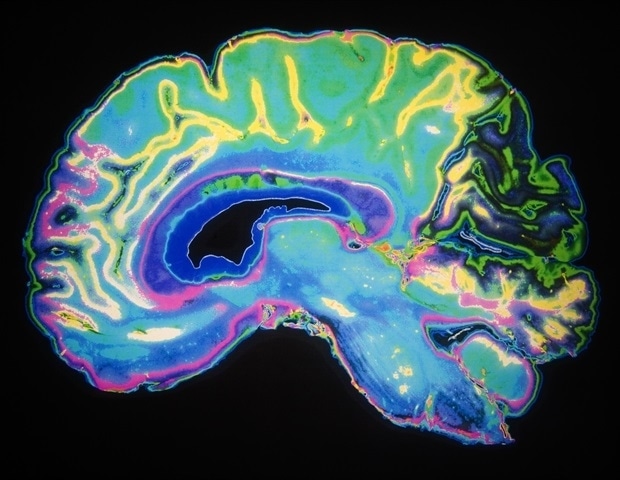
A randomized clinical trial led by Mount Sinai researchers found that Mindfulness-Oriented Recovery Enhancement (MORE), added to methadone or buprenorphine treatment, may reduce opioid craving and lengthen abstinence. The eight-week study enrolled 86 people with opioid use disorder at a New York City inpatient facility. Brain imaging showed altered prefrontal responses to drug cues and natural rewards among MORE participants, with some changes associated with reduced craving. Researchers emphasize that larger, more diverse studies are needed to confirm the findings and determine how broadly they apply.
Watchmen Signals
Opioid addiction presents the kind of enslavement and impaired self-control addressed in passages such as 1 Corinthians 6:12 and Proverbs 25:28. The study’s effort to reduce craving and restore healthier responses also connects, with important limits, to Scripture’s concern for renewed thinking, self-control, and gentle restoration of people caught in destructive patterns.
The trial reports a possible treatment effect on craving, abstinence, and brain activity; it does not correspond to a particular biblical prophetic passage or identifiable end-times pattern. Scripture offers moral and pastoral principles relevant to addiction, but these findings do not indicate prophetic fulfillment.
The findings are important for ongoing addiction research and treatment, but they do not describe an immediate crisis or action requiring prompt notification. Larger and more diverse studies are still needed before the therapy’s broader effectiveness is established.
Biblical Context
Opioid addiction involves impaired self-control, persistent cravings, and patterns of enslavement that can damage a person’s body, judgment, relationships, and ability to pursue ordinary goods. The trial’s focus on helping patients respond differently to drug cues and recover interest in natural rewards can be considered alongside Scripture’s teaching about self-control and freedom from domination. First Corinthians 6:12 warns against being mastered by anything, while Proverbs 25:28 compares a person without self-control to a city broken into and left without defenses. These passages do not prescribe mindfulness therapy or explain brain imaging, but they provide a meaningful moral framework for understanding the loss and recovery of self-governance. Romans 12:2 connects the renewal of the mind with transformed conduct. That is a broader theological parallel, not a claim that MORE fulfills or directly implements this passage. Galatians 5:22-23 identifies self-control as a fruit of the Spirit, while the study describes a clinical intervention that may strengthen behavioral regulation; medical treatment and spiritual formation should not be treated as interchangeable. The biblical response also includes compassionate restoration. Galatians 6:1 instructs believers to restore someone caught in wrongdoing with gentleness, and 1 Thessalonians 5:14 calls for patience and support toward those who are weak. Those passages support caring for people affected by addiction without excusing destructive behavior or reducing the person to the disorder. The article reports a possible treatment advance, not a biblical prophecy or a uniquely Christian therapy. Its strongest biblical significance lies in the realities of enslavement, self-control, renewed patterns of thought, and compassionate care for vulnerable people.
Biblical Sources
Scripture references supporting the biblical context above.
Paul warns that believers should not be mastered by anything. This directly illuminates addiction’s pattern of domination, while not prescribing a particular clinical treatment.
The instruction to admonish, encourage, help the weak, and be patient with everyone supports a balanced response that combines accountability with practical support for vulnerable people.
Self-control is listed among the fruit of the Spirit. This supports the biblical importance of disciplined conduct while remaining distinct from the clinical intervention studied.
Paul instructs believers to restore those caught in wrongdoing with gentleness, supporting compassionate and non-condemning care for people trapped in destructive behavior.
The proverb compares a person without self-control to a defenseless city, providing a relevant picture of vulnerability to powerful impulses and destructive patterns.
The call to renewal of the mind offers a broader parallel to the study’s focus on changing responses to drug cues and rewards, though it is not a scientific explanation of the therapy.
Comments
No comments yet.
Sign in to join the conversation.
Sign InStay Informed. Grow in Biblical Understanding.
Explore important news from around the world through the context of God's Word. Create your FREE Watchmen account to discover more news analysis, Biblical Insights, and Scripture-based perspectives.
Create Your FREE AccountFree to join. No credit card required.