US tells Gulf nations to prepare for possible military campaign in Iran following midterm elections
Summary
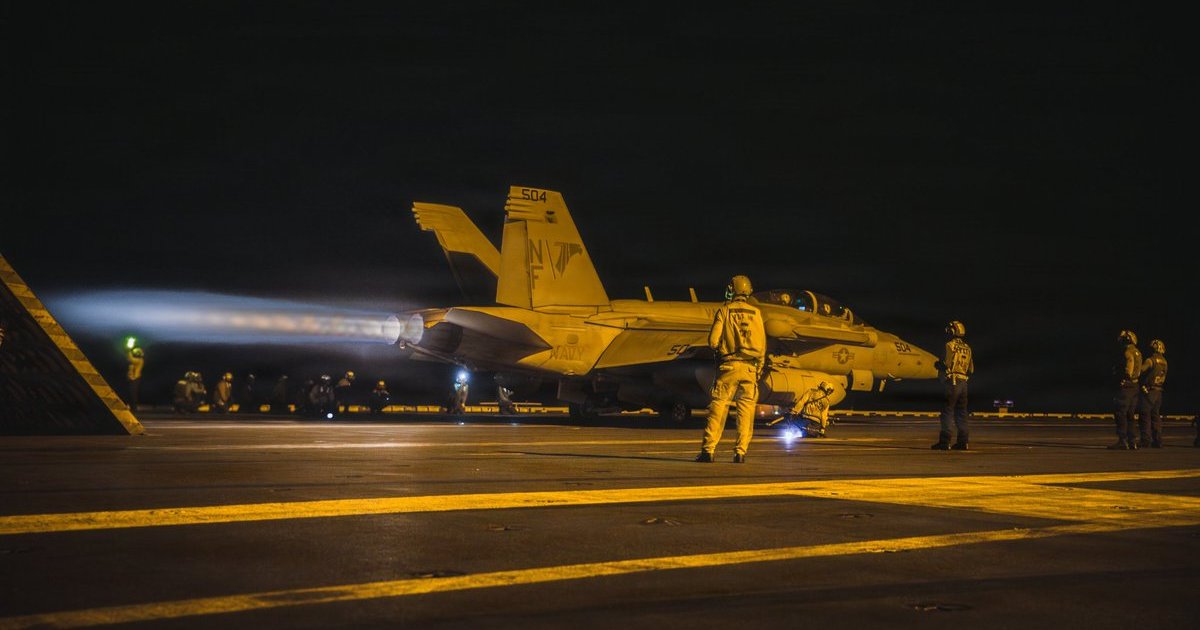
U.S. officials reportedly warned Persian Gulf partners that military action against Iran could resume after the 2026 midterm elections. The United States is moving air-defense systems, aircraft, munitions, a carrier, and Marines into the region while repositioning some personnel away from vulnerable bases. President Donald Trump has publicly suggested another strike if Tehran rejects U.S. nuclear demands, though Washington has not confirmed a decision. Israel is preparing for renewed operations, while Iranian officials threaten retaliation and condition reopening the Strait of Hormuz on acceptance of Iran’s demands.
Watchmen Signals
U.S. military preparations, Israeli readiness, Iranian threats, and the possibility of conflict around the Strait of Hormuz directly involve the kinds of warfare, rulers’ authority, national hostility, and regional instability that Scripture addresses. Those passages provide perspective on the conduct and consequences of nations without implying that this particular confrontation has a predetermined biblical outcome.
Iran’s historical association with Persia and Israel’s involvement do not establish a match with Ezekiel 38 or another specific prophecy. The facts presented show military preparation, threats, and strategic pressure, but they do not supply the distinctive participants, circumstances, or prophetic conditions required to identify a fulfillment.
Military assets and munitions are reportedly being repositioned while officials and regional actors prepare for possible renewed hostilities. However, the article describes a potential post-election operation rather than an attack already underway, so continued monitoring is warranted without treating it as an immediate emergency.
Biblical Context
The prospect of renewed strikes, retaliation, and threats affecting Israel and surrounding nations fits Scripture’s repeated recognition that rulers and peoples contend with one another and that war produces fear and instability. Jesus warned His disciples that they would hear of wars and rumors of wars, while cautioning them not to treat such reports by themselves as proof that the end had arrived (Matthew 24:6-7). That passage gives a relevant framework for taking the military warnings seriously without declaring that this particular crisis fulfills prophecy. Psalm 2:1-4 portrays nations and rulers raging against one another and resisting God’s authority. Its primary setting is theological and royal, not a prediction that every modern conflict fulfills the psalm. It nevertheless provides a meaningful biblical lens for the article’s description of governments issuing threats, pursuing military leverage, and testing one another’s resolve. Romans 13:1-4 recognizes the governing authority’s responsibility to restrain wrongdoing and describes the state as bearing the sword. This can illuminate why governments maintain military forces and defensive systems, but it does not automatically approve every war or prove that a particular strike is just. The article leaves unresolved whether renewed operations would meet a legitimate defensive purpose, satisfy stated nuclear-security aims, or create a disproportionate cycle of retaliation. Scripture therefore supports sober attention to the conflict, the responsibilities of rulers, and the human consequences of escalation, while providing no basis here for identifying a specific prophetic fulfillment.
Biblical Sources
Scripture references supporting the biblical context above.
Jesus refers to wars, rumors of wars, and conflicts among nations while warning His disciples not to conclude from such reports alone that the end has arrived. This supports careful biblical perspective on the reported military preparations without identifying them as prophecy fulfilled.
The psalm depicts nations and rulers raging and opposing God’s authority. It offers a broader theological perspective on hostile state actions and threats, but it should not be treated as a direct prediction of this U.S.-Iran confrontation.
Paul describes government’s authority and its responsibility to restrain wrongdoing, including the use of the sword. The passage helps frame the responsibilities claimed by governments maintaining defenses or considering military action, without declaring every operation righteous.
Comments
No comments yet.
Sign in to join the conversation.
Sign InStay Informed. Grow in Biblical Understanding.
Explore important news from around the world through the context of God's Word. Create your FREE Watchmen account to discover more news analysis, Biblical Insights, and Scripture-based perspectives.
Create Your FREE AccountFree to join. No credit card required.