Will it be AI or the climate crisis that ends humanity? We can make it neither | Adam McKay and Philip Eubanks
Summary
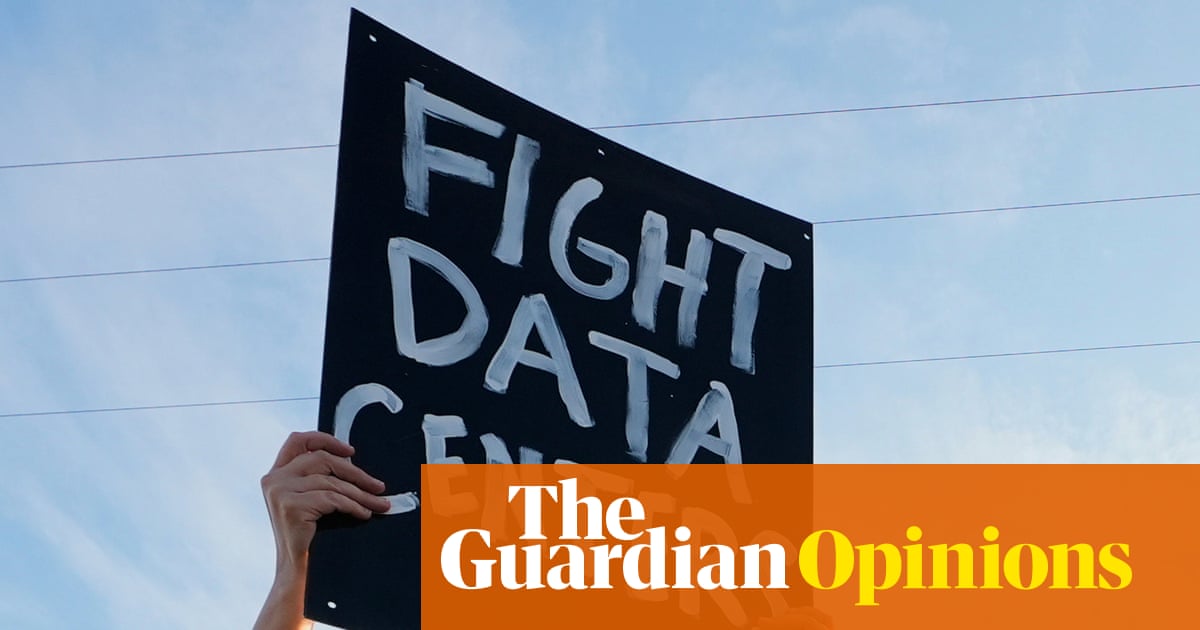
Climate Emergency Fund leaders Adam McKay and Philip Eubanks argue that extreme heat, climate disasters, expanding artificial intelligence, and AI’s links to fossil-fuel extraction represent overlapping threats driven by concentrated corporate power. They cite claims that AI could become difficult to control, that oil-and-tech partnerships could add substantial emissions, and that AI-generated misinformation could increase instability. The authors also report that more than 120 U.S. data-center projects were blocked or delayed in the first half of 2026, presenting community resistance and climate activism as a proposed response.
Watchmen Signals
Biblical Context
The concentration of wealth and power, potential exploitation of communities, environmental responsibility, and the use of deception are issues Scripture addresses meaningfully. Genesis 2:15 presents humanity’s task as cultivating and keeping God’s creation, which provides a relevant stewardship principle when data centers are alleged to consume scarce water, use energy, or contribute to extraction-related emissions. That principle does not by itself settle modern climate policy or prove every environmental claim in the piece. Warnings against wealth pursued through harm are especially relevant to the authors’ allegation that corporations and wealthy decision-makers may benefit while communities bear the costs. James 5:1-6 condemns rich people who accumulate wealth through injustice and withhold what is owed to workers. The passage addresses exploitative economic conduct, not technology or climate change specifically, so its application here depends on whether the reported allegations are verified. Luke 12:15-21 likewise warns against greed and treating accumulated possessions as the foundation of life; it supports moral scrutiny of profit-driven decision-making but does not condemn private property or legitimate enterprise. The story’s concern about AI-generated disinformation also connects to Scripture’s direct insistence on truthful speech. Ephesians 4:25 commands believers to put away falsehood and speak truthfully, while James 3:1-12 warns about the power of speech to cause extensive harm. These passages illuminate the ethical danger of systems that amplify false or misleading information, although they do not specifically predict artificial intelligence. Scripture also recognizes human accountability for decisions and actions. Romans 14:12 teaches that each person will give an account to God, and Galatians 6:7-8 teaches that people reap what they sow. Those passages support responsibility for the consequences of technological and economic choices, but they should not be turned into a claim that present climate or AI developments fulfill a particular prophecy. The article’s apocalyptic language is rhetorical and speculative; the supplied facts do not correspond specifically enough to a biblical prophetic passage to establish a prophetic connection.
Biblical Sources
Scripture references supporting the biblical context above.
The command to reject falsehood and speak truthfully provides a clear ethical principle for evaluating AI-generated disinformation and public claims.
The principle that people reap what they sow supports responsibility for choices that produce social, economic, or environmental consequences, while remaining a general moral teaching rather than a prophecy about AI or climate.
God places humanity in the garden to work it and keep it, providing a direct stewardship principle relevant to reported concerns about water, energy, land, and environmental effects.
James describes the power of speech to direct events and cause harm, offering a relevant moral parallel to information systems that spread misinformation or destabilizing claims.
James condemns wealthy people who accumulate riches through injustice and harm workers. The passage is relevant to allegations that powerful economic actors profit while communities bear the costs, though the article does not establish that every allegation meets this description.
Jesus warns against greed and against treating material abundance as the basis of security. This illuminates the article’s criticism of profit-centered decision-making without condemning legitimate ownership or enterprise.
The teaching that each person will give an account to God supports the broader principle that decision-makers remain morally accountable for the consequences of their conduct.
Comments
No comments yet.
Sign in to join the conversation.
Sign InStay Informed. Grow in Biblical Understanding.
Explore important news from around the world through the context of God's Word. Create your FREE Watchmen account to discover more news analysis, Biblical Insights, and Scripture-based perspectives.
Create Your FREE AccountFree to join. No credit card required.