Federal judge rules Bill Essayli unlawfully serving as de facto US attorney in California
Summary
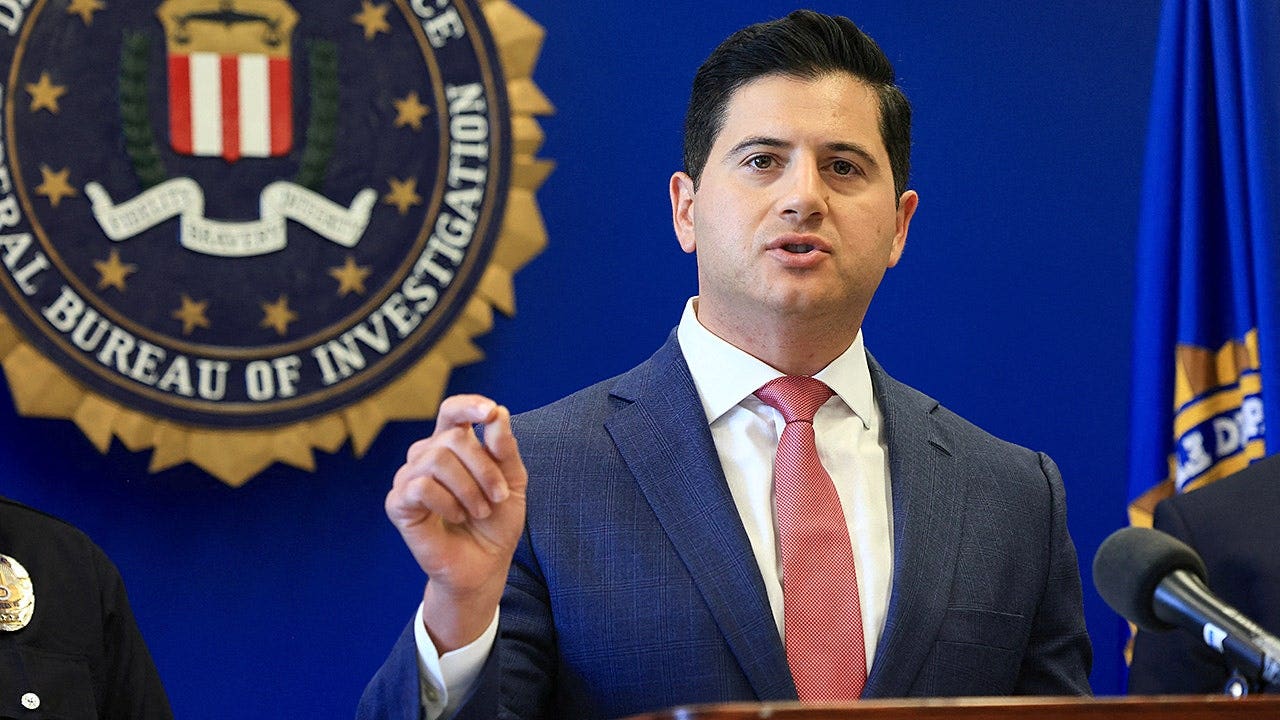
A federal judge ruled that Bill Essayli, Southern California’s top federal prosecutor, is unlawfully serving as a de facto U.S. attorney and barred him from overseeing two criminal cases. The order will be delayed while the Justice Department seeks a possible stay and appeal. Essayli, whose interim appointment expired and who was never Senate-confirmed, disputes the ruling. The decision comes as he helps lead the administration’s challenge involving more than 20,000 California voters identified as likely noncitizens, adding significance to the dispute over prosecutorial authority.
Watchmen Signals
Biblical Context
The dispute raises a concrete question of lawful authority: whether a senior official may exercise the powers associated with a vacant office without following the legally required appointment and confirmation process. Deuteronomy 16:20 commands those responsible for judgment to pursue justice rather than allowing authority, convenience, or institutional interest to displace lawful judgment. That principle supports concern for a process that is fair, properly grounded, and applied without partiality. It does not, by itself, determine whether Essayli’s appointment was lawful. Romans 13:1-4 recognizes governing authority as part of civil order and describes public officials as accountable servants charged with restraining wrongdoing and serving the good. The passage supports respect for legitimate governmental authority, but it also implies that public power has a defined purpose and is not simply personal or unlimited. In this case, the reported judicial review reflects the principle that government officials remain subject to law and to institutional checks. Scripture does not resolve the competing legal claims, nor does it establish that the election-related allegations are true. No specific biblical prophecy is identified in these events. The appointment dispute, judicial ruling, and election litigation may be important matters of governance, but they do not correspond in a sufficiently specific way to a particular prophetic passage.
Biblical Sources
Scripture references supporting the biblical context above.
Moses commands those administering judgment to pursue justice. This materially relates to the reported judicial scrutiny of whether a prosecutor is exercising authority through a lawful and accountable process.
Paul describes governing authorities as established for civil order and responsible for restraining wrongdoing and serving the public good. The passage supports the importance of legitimate authority and accountability while not deciding the appointment dispute itself.
Comments
No comments yet.
Sign in to join the conversation.
Sign InStay Informed. Grow in Biblical Understanding.
Explore important news from around the world through the context of God's Word. Create your FREE Watchmen account to discover more news analysis, Biblical Insights, and Scripture-based perspectives.
Create Your FREE AccountFree to join. No credit card required.