Plateau Christian Leaders Question Military Response to Attacks
Summary
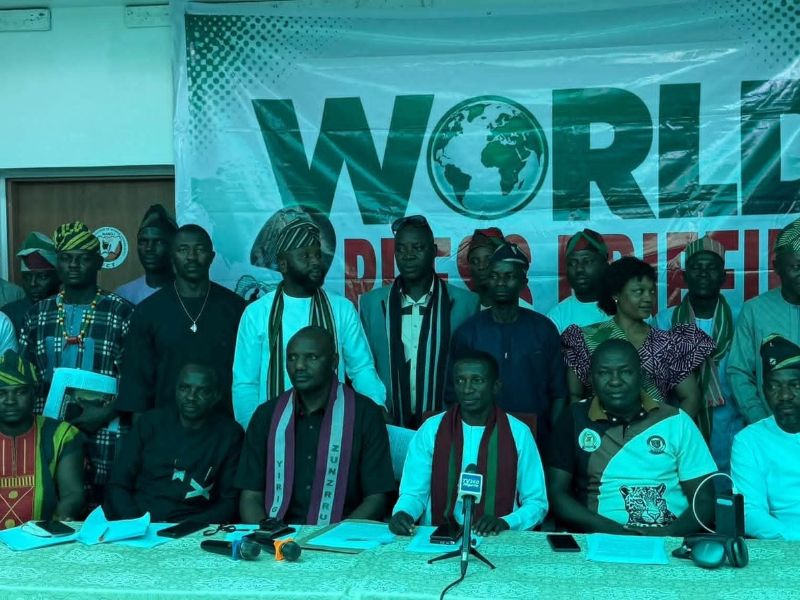
Christian youth leaders in Nigeria’s Plateau state are urging federal authorities to investigate alleged security failures while continuing joint operations against armed groups. The demand followed an Oct. 5 petition by Fulani organizations alleging bias in operations by the DSS, Mobile Police Force, and Operation Rainbow. The coalition rejected those allegations, citing attacks, displacement, and property destruction across at least 152 communities. It also referenced killings of civilians and security personnel, including at least 54 deaths in Zikke in April 2025 and 27 Christians reportedly killed within one week in October.
Watchmen Signals
Biblical Context
Repeated killings, displacement, destruction of homes and farms, and threats to worship place the protection of vulnerable civilians at the center of the reported crisis. Proverbs 31:8–9 calls those with authority to speak for people who cannot adequately defend themselves and to judge righteously; that principle applies to the demand for protection and impartial investigations, without deciding which contemporary group’s allegations are true. Romans 13:1–4 describes governing authorities as responsible for restraining wrongdoing and serving the public good. In relation to the reported security dispute, this supports the obligation of Nigerian authorities to protect civilians, investigate violence, and discipline personnel who commit misconduct. It does not imply that every government operation is automatically just or that allegations of abuse may be ignored. Psalm 82:3–4 similarly commands the defense of the weak and vulnerable and calls for their rescue from the hand of the wicked. The passage offers a direct justice principle relevant to communities facing attacks and displacement, while the article does not establish whether authorities have failed through negligence, incapacity, misconduct, or some combination of factors. Jesus’ teaching in Matthew 5:10–12 recognizes persecution for righteousness’ sake and instructs his followers to endure faithfully. This is relevant to the reported suffering of predominantly Christian communities, but it does not identify the perpetrators, prescribe a particular security policy, or establish that the events fulfill prophecy. Scripture also requires lawful treatment of all civilians; therefore, protecting Christian communities and investigating allegations of discrimination against Fulani civilians are compatible responsibilities rather than competing biblical obligations.
Biblical Sources
Scripture references supporting the biblical context above.
Jesus speaks of persecution for righteousness’ sake and encourages faithfulness under mistreatment. This relates to the reported attacks and threats affecting predominantly Christian communities, without establishing a prophetic fulfillment or determining responsibility for the violence.
The passage calls for speaking up for those unable to defend themselves and judging righteously. It supports the reported calls for protection, justice, and impartial investigation of attacks and security failures.
The psalm commands the defense of the weak, fatherless, afflicted, and needy, including rescuing them from oppression. This directly illuminates the reported killings, displacement, and vulnerability of rural communities.
Paul presents governing authorities as accountable for restraining wrongdoing and serving the public good. The passage materially supports evaluating the state’s duty to protect civilians and investigate or punish misconduct.
Comments
No comments yet.
Sign in to join the conversation.
Sign InStay Informed. Grow in Biblical Understanding.
Explore important news from around the world through the context of God's Word. Create your FREE Watchmen account to discover more news analysis, Biblical Insights, and Scripture-based perspectives.
Create Your FREE AccountFree to join. No credit card required.