Judge who apologized to accused would-be Trump assassin lights up DOJ in Hunter Biden FBI case
Summary
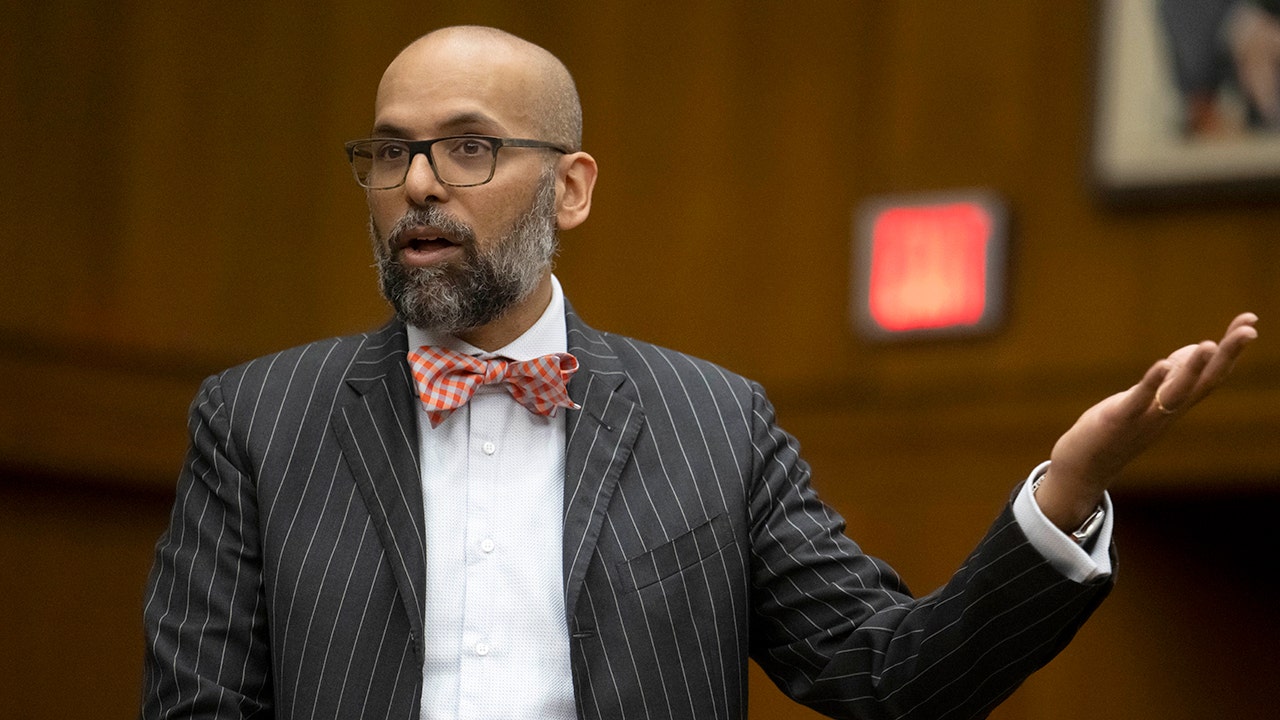
U.S. Magistrate Judge Zia Faruqui rejected a superseding criminal complaint filed by the Justice Department against former FBI officials Nikki Floris and Bradley Benavides. Prosecutors sought to add felony obstruction charges shortly before a preliminary hearing, but the filing was unsigned, unsworn, and had not received judicial approval. Faruqui said the procedure could harm the defendants and ordered the hearing to proceed on the original allegations that they misrepresented their roles in Hunter Biden-related investigations. Defense lawyers also questioned changes in wording and the timing of the charges.
Watchmen Signals
Biblical Context
The dispute directly engages biblical principles concerning impartial judgment, truthful testimony, lawful procedure, and the proper limits of governmental authority. Deuteronomy 16:18–20 commands judges to administer justice impartially and not to distort judgment, accept bribes, or pursue partiality. That principle is relevant to the reported concern that criminal charges should be supported through a fair and regular process rather than altered in a way that disadvantages defendants or creates an appearance of selective treatment. Proverbs 17:26 warns against punishing the righteous and striking the noble contrary to justice. The passage does not determine whether Floris or Benavides are innocent, and the article does not establish that they were wrongly prosecuted. It does, however, support caution against imposing or expanding criminal accusations without an adequate factual and procedural foundation. Romans 13:3–4 describes civil authorities as accountable to God for their use of power: government is intended to restrain wrongdoing and serve the public good, not exercise authority arbitrarily. The passage supports the legitimacy of lawful government while also implying that official power must serve justice. Applied here, it provides a biblical framework for examining whether prosecutors respected legal limits and whether the court properly required accountability before allowing additional charges to proceed. These are principles of justice and governmental accountability, not evidence that a particular prophecy is being fulfilled. Nothing in the supplied facts identifies a distinctive biblical prophetic event or pattern.
Biblical Sources
Scripture references supporting the biblical context above.
These verses require judges and officials to judge fairly, avoid partiality, and pursue justice. They provide a direct biblical principle for evaluating allegations of irregular charging procedures and possible unfair treatment.
This proverb condemns punishing the righteous or striking officials contrary to what is right. It supports caution against expanding criminal accusations without a sound basis, while not deciding whether the defendants are innocent.
Paul presents civil authority as a servant responsible for restraining wrongdoing and serving the public good. The passage supports examining whether government officials exercise prosecutorial power lawfully and responsibly.
Comments
No comments yet.
Sign in to join the conversation.
Sign InStay Informed. Grow in Biblical Understanding.
Explore important news from around the world through the context of God's Word. Create your FREE Watchmen account to discover more news analysis, Biblical Insights, and Scripture-based perspectives.
Create Your FREE AccountFree to join. No credit card required.