Former NWSL player says league culture pressured athletes to support political messages they opposed
Summary
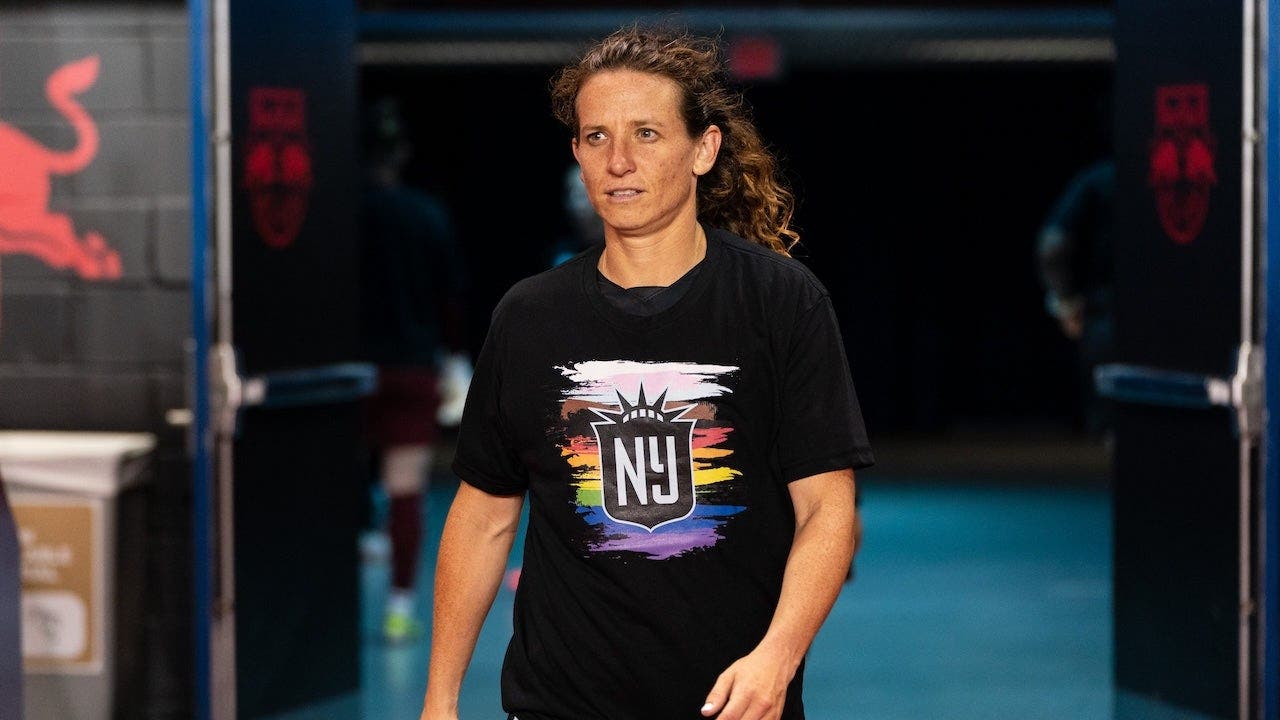
Former NWSL player Elizabeth Eddy says league culture pressured players to display political and social messages they might not personally support, despite uncertainty over whether participation was formally required. She cited campaigns involving immigration and transgender advocacy, and said dissent could damage team relationships and careers. Eddy also criticized the league’s sex-eligibility debate and condemned the removal of “Save Women’s Sports” demonstrators at a Portland Thorns match. The NWSL declined to address her statements, while reviews of the Portland incident continue.
Watchmen Signals
Biblical Context
The dispute raises a genuine biblical question about conscience and the pressure to gain human approval. Romans 14:1-4 and Romans 14:22-23 teach that believers should not violate conscience and should avoid condemning one another in disputable matters. The passage addresses food and religious practice rather than professional sports or political messaging, so its application here is principled rather than a direct ruling on NWSL policy. It supports the importance of sincere conviction, while also cautioning against treating every disagreement as grounds for judgment. Galatians 1:10 warns against shaping one’s conduct primarily to win human approval rather than to serve Christ. That principle is relevant to Eddy’s claim that players may publicly display messages they do not believe in order to preserve relationships or careers. Scripture does not establish whether particular NWSL practices violated anyone’s conscience, and the article does not prove that participation was mandatory in the examples cited. Genesis 1:27 is relevant to the underlying dispute over sex categories because it presents humanity as created male and female in God’s image. That passage provides a biblical framework for taking sex distinctions seriously, but it does not by itself settle modern eligibility rules, medical questions, league policy, or the motives of people on either side. The article’s concerns about truthful public expression and the treatment of disagreement therefore have a meaningful biblical connection, while the specific institutional and sporting questions remain matters requiring further factual and ethical evaluation.
Biblical Sources
Scripture references supporting the biblical context above.
Paul contrasts seeking human approval with serving Christ. The principle relates to Eddy’s claim that players may feel compelled to conform publicly in order to protect team relationships or careers.
The creation account describes humanity as created in God’s image as male and female. This is relevant to the article’s dispute over sex categories, while not independently resolving contemporary eligibility policies or related medical and legal questions.
Paul addresses disagreements over disputable practices and teaches believers not to violate one another’s standing before God. This supports careful treatment of conscience and disagreement, though the original context concerns food and religious observance rather than sports messaging.
Paul teaches that a person should act from faith and conscience rather than against personal conviction. This materially relates to the reported pressure to display messages that a player may not sincerely support.
Comments
No comments yet.
Sign in to join the conversation.
Sign InStay Informed. Grow in Biblical Understanding.
Explore important news from around the world through the context of God's Word. Create your FREE Watchmen account to discover more news analysis, Biblical Insights, and Scripture-based perspectives.
Create Your FREE AccountFree to join. No credit card required.